Event management for corporate events is the orchestrated process of planning, coordinating, and executing all aspects of a corporate gathering, from initial strategy through to post-event reporting, to ensure measurable business outcomes. In India’s fast-growing events industry, this discipline spans everything from a 50-person executive roundtable in Bangalore to a 15,000-delegate annual conference in Mumbai. Platforms like Zoho Backstage and Eventbrite now sit alongside on-ground production firms like EvenX and GEO Events to support the full lifecycle. The standard industry term is corporate event management, and understanding it end to end is what separates a forgettable gathering from a performance that moves business forward.
What are the essential stages of event management for corporate events?
Corporate event management covers the full project lifecycle from strategy through to post-event reporting. Skipping any stage does not save time. It creates problems you pay for on the day.
Here are the six stages every corporate event specialist must execute in sequence:
- Strategy and objectives setting. Define what success looks like before you book a single vendor. Clear event objectives and a precise audience profile must exist before any logistics conversation begins. A product launch in Delhi has different success metrics than a leadership offsite in Coorg.
- Budgeting. Lock a realistic budget with contingency built in. Indian corporate events routinely underestimate AV, fabrication, and F&B costs. Build a 10–15% buffer from day one.
- Venue and vendor selection. Match the venue to the audience size and technical requirements. A 500-person conference in Hyderabad’s HICC demands different vendor briefs than a 200-person awards night at a Mumbai hotel ballroom.
- Design and technical production. Brief your staging, lighting, and AV teams early. Design decisions made late cost double and deliver half the impact.
- Execution. This is where showflows, run-of-show documents, and real-time coordination take over. Single-point accountability on the floor is non-negotiable.
- Post-event reporting. Measure against the objectives set in stage one. Attendance numbers alone are not ROI.
Typical lead times for complex executive summits range from 8–16 weeks. Large conferences in India and global markets may require 4–6 months of planning. Compressed timelines are possible with in-house fabrication, but only when early planning is airtight.
Pro Tip: Lock your venue and AV vendor simultaneously. In cities like Bangalore and Mumbai, premium venues and quality AV firms book out 10–12 weeks ahead. Treating them as sequential decisions is the single most common planning mistake in Indian corporate event coordination.
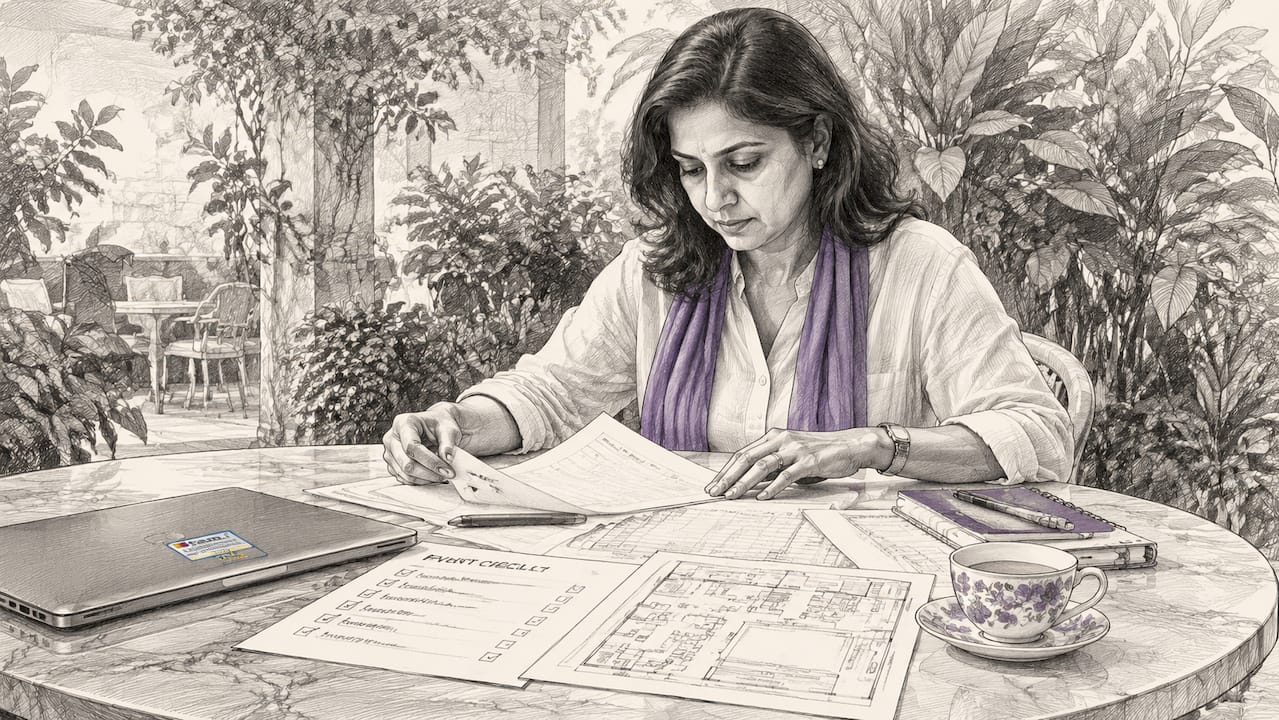
How do integrated event management services improve corporate event outcomes?
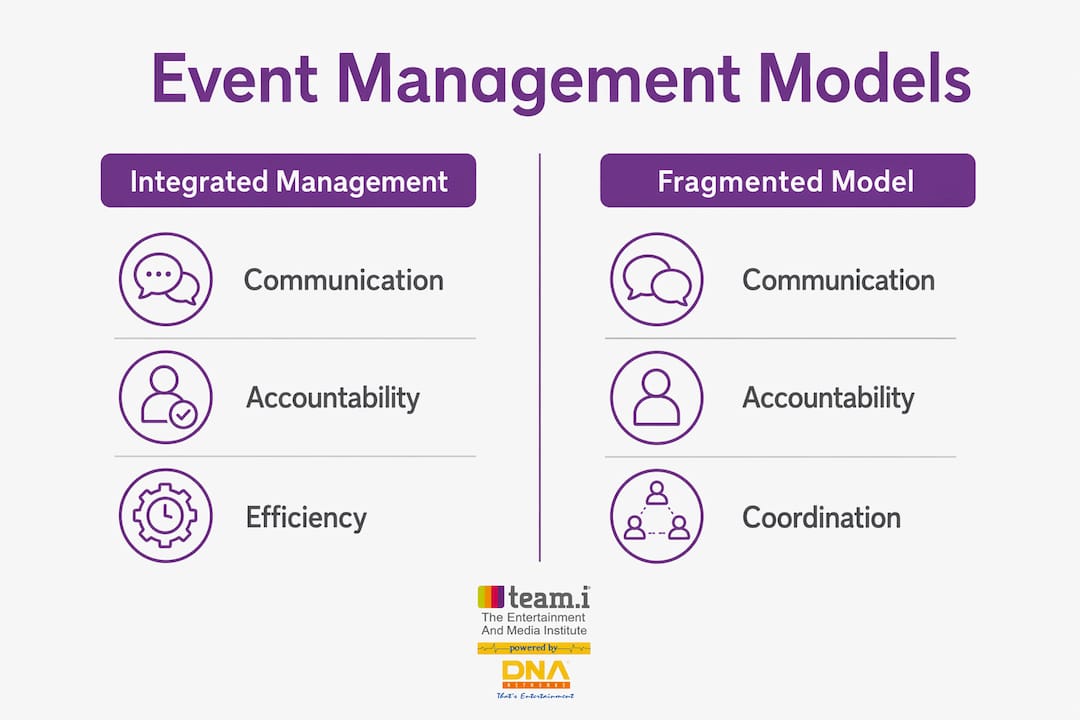
Fragmented vendor management creates communication and coordination gaps that integrated management solves. When your staging company, AV vendor, caterer, and décor team all report to different contacts, the show flow breaks down at the seams. That is where live-event risks multiply.
Integrated business event management places the full technical and logistical backbone under one roof. Turnkey solutions cover site selection, vendor contracts, AV systems, catering, and guest management, delivering efficiency gains and higher stakeholder satisfaction. Corporate teams focus on content and stakeholder engagement. The management firm handles the controlled chaos backstage.
Here is how the two approaches compare:
| Factor | Integrated Management | Fragmented Vendor Model |
|---|---|---|
| Communication | Single point of contact | Multiple vendor chains |
| Show flow control | Unified briefing and rehearsal | Separate briefings, misaligned cues |
| Problem resolution | Immediate, in-house | Delayed, cross-vendor blame |
| Budget visibility | Consolidated invoicing | Scattered costs, surprise additions |
| ROI tracking | Centralised data and reporting | Fragmented, incomplete data |
| Risk on the day | Lower, pre-rehearsed | Higher, coordination-dependent |
Pro Tip: When briefing a potential corporate event consultant in India, ask one question: “Who is accountable if the AV and staging cues don’t sync on the day?” If the answer involves more than one name, you are looking at a fragmented model.
What design and technical production elements elevate corporate events?
Design-studio thinking and architectural staging create immersive corporate event experiences that command attention and reinforce brand messaging. A standard hotel ballroom setup communicates nothing. A venue transformed with purpose-built staging, cinematic lighting, and branded surfaces communicates everything about who you are as a company.
The production elements that consistently separate high-impact corporate events from average ones include:
- Architectural staging. Custom-built stage structures that frame speakers and reinforce brand identity. Think of the large-format stage builds used at Infosys Leadership Forums or Tata Group annual conclaves, where the stage itself is a brand statement.
- LED walls and broadcast-quality AV. High-resolution LED walls allow simultaneous in-room and hybrid broadcast without quality loss. For a 2,000-person conference in Hyderabad, this is the difference between an engaged audience and a distracted one.
- Cinematic lighting design. Lighting sets emotional tone before a single word is spoken. Warm, directional lighting for an awards ceremony in Mumbai reads entirely differently from the sharp, cool tones used for a product reveal.
- Branded surfaces and environmental graphics. Every surface the camera sees is a branding opportunity. Corporate event branding applied to event environments reinforces messaging without a single slide being shown.
- Crowd flow logistics. Registration zones, breakout routing, and F&B placement all affect energy levels and delegate experience. Poor crowd flow is invisible when it works and catastrophic when it does not.
Creative experiential design transforms corporate events from décor exercises into memorable brand performances. That shift in thinking is what professional event services deliver at the highest level.
Which tools do corporate event organisers recommend in 2026?
Hybrid event platforms enable enhanced engagement, measurable delivery, and real-time analytics for corporate event organisers. The right platform depends on your event scale, audience type, and integration needs.
The tools most widely used by business event organisers in India and globally in 2026 include:
- Zoho Backstage. Built for Indian market needs, with strong registration, scheduling, and sponsor management features. Integrates with Zoho CRM for post-event lead tracking.
- Eventbrite. Best for mid-scale corporate events where ticketing and registration are the primary digital requirement. Widely used for conferences in Bangalore and Delhi.
- Bizzabo. Enterprise-grade platform with deep analytics, hybrid event support, and stakeholder engagement tools. Preferred by large corporates running multi-city roadshows.
- Hubb. Strong for content management and speaker coordination at large conferences. Useful when managing 50-plus sessions across multiple tracks.
For a deeper breakdown of platform features, the top conference management tools guide covers each option with practical selection criteria.
Pro Tip: Choose your platform based on your post-event reporting needs, not your registration volume. The best corporate event specialists in India use platform analytics to prove ROI to leadership, not just to count attendees.
What i’ve learnt after watching hundreds of corporate events go right and wrong
The most expensive corporate events are not always the most effective ones. The best corporate event is the one perfectly aligned with audience needs and strategic business goals. That sounds obvious. In practice, most corporate teams still brief vendors before they have defined what success looks like.
The pattern I see repeatedly in Indian corporate event planning is this: design and technical production get briefed last, after venue, catering, and guest lists are locked. That sequence guarantees compromise. Staging and lighting decisions made three weeks before an event cost more and deliver less than the same decisions made at the eight-week mark.
The other consistent gap is single-point accountability. When a live event in Chennai or Pune goes wrong at 7 PM, you do not want to be calling three separate vendors to find out whose fault it is. You want one person who owns the outcome. Consistent reliability and anticipating problems are what separate quality event agencies from the rest, and that quality is built into the structure of how they work, not just their attitude on the day.
My honest advice to corporate teams planning events in 2026: treat your corporate event consultant as a strategic partner from day one, not a logistics vendor you bring in at the end. The ROI difference is real, and it shows up in the room.
— Teami
Build the skills to run corporate events that actually deliver
If you are part of a corporate team responsible for event delivery, or you want to become the person companies trust with their biggest moments, structured training makes the difference. Teami’s event management course covers the full corporate event lifecycle, from strategy and budgeting through to production and post-event reporting, with hands-on exposure to real events. With 23 years of industry experience and direct partnerships with DNA Entertainment Networks, Teami trains professionals who are ready to work, not just ready to study. Explore corporate event entertainment ideas to see how creative execution translates into business impact, and take the next step towards running events that move the needle.
FAQ
What does corporate event management cover?
Corporate event management covers the full project lifecycle from strategy and budgeting through vendor coordination, technical production, and post-event reporting. Projects range from small executive meetings of 50 attendees to large conferences of up to 15,000 participants.
How far in advance should you plan a corporate event in india?
Complex executive summits require 8–16 weeks of lead time, while large conferences need 4–6 months. Starting earlier gives you access to better venues, vendors, and pricing.
What is the difference between integrated and fragmented event management?
Integrated management places all vendors, AV, logistics, and coordination under one accountable team. Fragmented management splits responsibility across multiple vendors, which increases communication gaps and live-event risk.
Which event management platforms work best for indian corporate events?
Zoho Backstage and Eventbrite are the most widely used platforms for Indian corporate events in 2026. Bizzabo and Hubb suit larger, multi-track conferences with complex reporting needs.
How do you measure ROI from a corporate event?
ROI is measured against the business objectives defined before planning begins. Metrics include lead generation, stakeholder engagement scores, media coverage, and post-event survey results, not attendance numbers alone.