
An event management student is defined as someone pursuing formal education and hands-on training to plan, organise, and execute events professionally. This covers everything from Bangalore wedding productions and Mumbai corporate conferences to Delhi college festivals and Hyderabad concert nights. The role sits at the intersection of project management, creative direction, and crisis response. You are not just studying events. You are preparing to run them, under pressure, in real time, with real consequences. That blend of academic rigour and live-event exposure is what separates a trained professional from someone who simply “likes organising things.”
What skills does an event management student need?
Event management is defined by project management, creativity, crisis control, and diplomacy working together. Creativity gets the attention, but management keeps the event alive. Students who focus only on aesthetics and ignore logistics consistently struggle when things go wrong on the day.
The core skill set breaks down into four areas:
- Project management: Using tools like Asana or Trello to build backwards timelines, track vendor deadlines, and manage budgets. Strict timeline discipline is non-negotiable, even for small events.
- Vendor negotiation: Getting the best rate from a sound company in Mumbai or a catering team in Hyderabad requires confidence and preparation. This is a skill you practise, not a talent you are born with.
- Crisis management: A generator fails at a corporate gala in Bangalore. A performer cancels 90 minutes before showtime. You solve it. No one in the audience can know.
- Communication: Clear, calm communication with clients, vendors, and crew under pressure is what distinguishes successful event managers from those who burn out fast.
Students also develop organisational discipline through repeated exposure to immovable deadlines. A wedding in Delhi does not move because your spreadsheet broke. That pressure, applied consistently during training, builds the kind of resilience the industry demands.
Pro Tip: When a last-minute change hits, write it down before you act on it. One sentence. What changed, what the new plan is, and who needs to know. That habit prevents 80% of on-site miscommunications.
How do event management programmes integrate practical training?
Classroom learning sets the foundation. Real events build the professional. Leading degree programmes require approximately 800 hours of practical training, split between industry work placements and formal internships. That figure reflects a global standard: you cannot learn crowd flow logistics from a textbook.
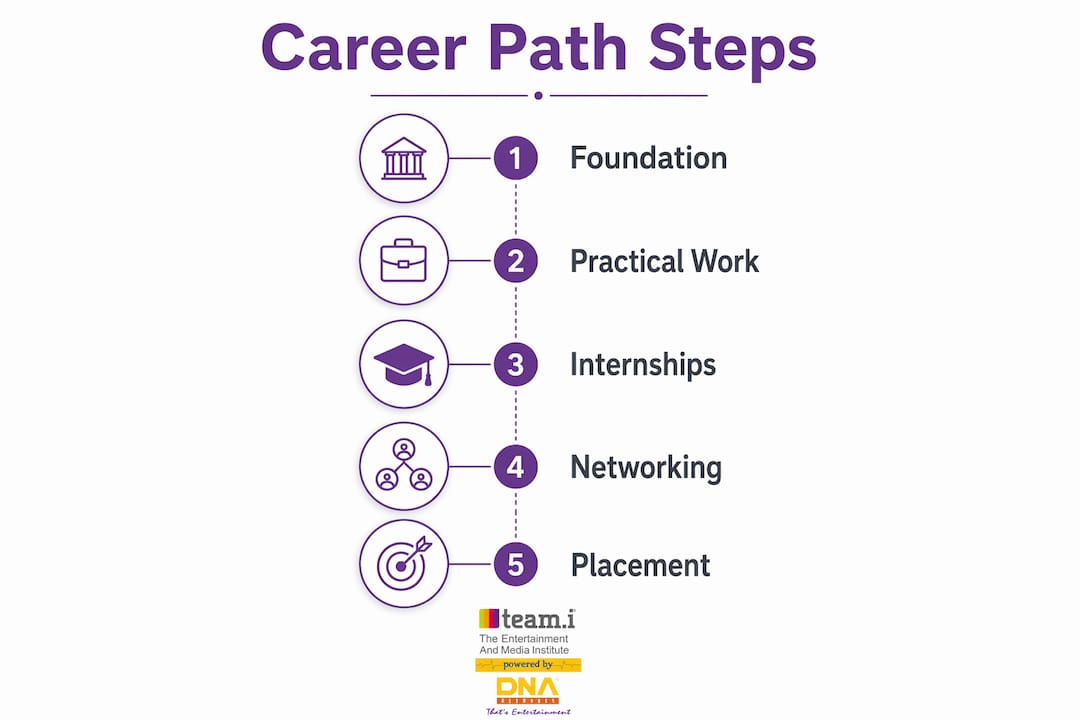
| Training component | Hours required | Typical setting |
|---|---|---|
| Hospitality/tourism practical work | 500 hours | Weddings, corporate events, festivals |
| Formal internship | 300 hours | Event companies, production houses |
| Total | 800 hours | Live event environments |
Students take on real roles during this training. You might handle vendor liaison for a college festival in Bangalore one week, then assist with stage setup for a corporate product launch in Mumbai the next. Hands-on involvement at large-scale events such as music festivals and sports championships is a standard feature of well-structured programmes. That exposure is not replicable in a classroom.
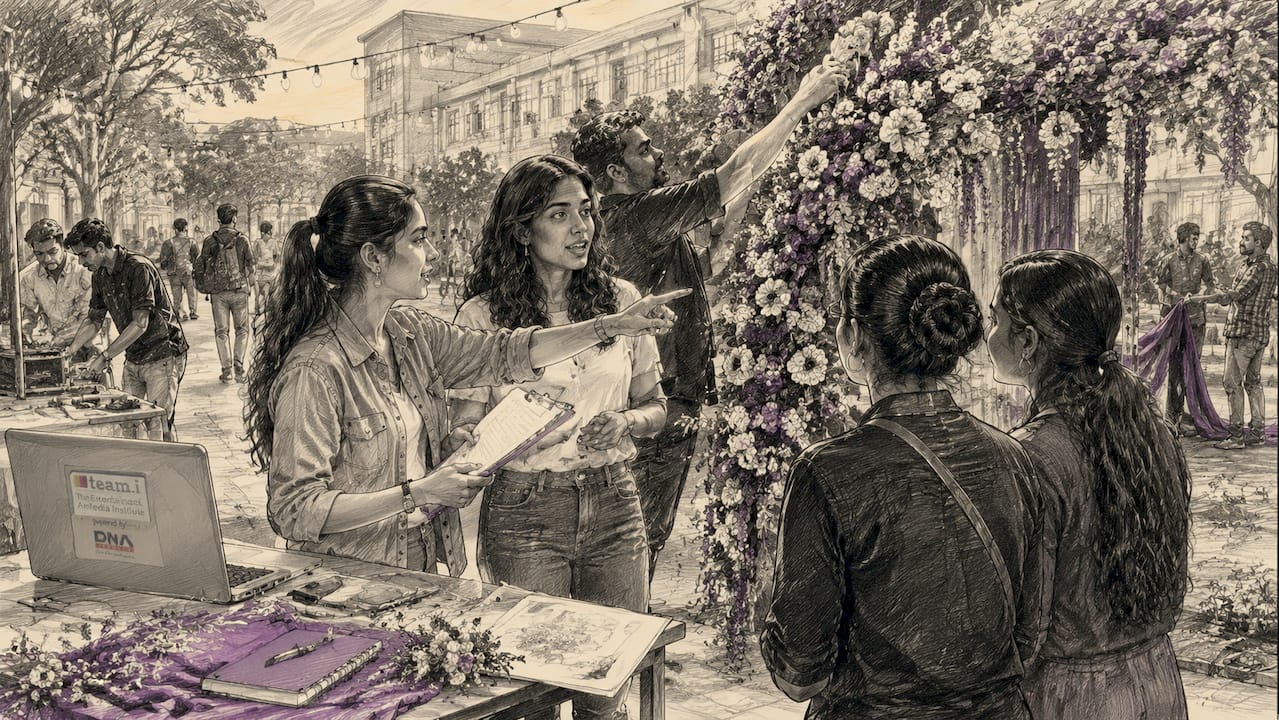
Teami’s approach reflects this model directly. Students work on live events through its partnership with DNA Entertainment Networks, gaining practical exposure across real event paths rather than simulated scenarios. The difference shows up immediately when graduates enter the industry.
Pro Tip: During your internship, volunteer for the roles no one wants: load-in shifts, vendor check-ins at 6 AM, post-event breakdowns. Those unglamorous hours teach you more than any headline role.
What career opportunities exist for event management students in India?
India’s events industry is one of the fastest-growing in Asia, with demand concentrated in Bangalore, Mumbai, Delhi, and Hyderabad. An aspiring professional entering this market has genuine range in terms of career direction.
Common job roles include:
- Wedding planner: India’s wedding industry is enormous. Destination weddings in Rajasthan, large-scale receptions in Mumbai, and intimate ceremonies in Bangalore all require trained planners who understand both logistics and cultural nuance.
- Corporate event manager: Product launches, annual conferences, and team offsites for companies across Bangalore’s tech corridor and Mumbai’s financial district generate consistent demand.
- Production manager: Overseeing technical execution for concerts, award shows, and large festivals. This role suits students who understand entertainment and media skills alongside event logistics.
- Experiential marketing specialist: Brands now invest heavily in live experiences. This is one of the fastest-growing niches in India’s event sector.
- Concert promoter: Managing artist bookings, venue negotiations, and ticketing for live music events across major Indian cities.
Institutes with direct industry connections give students a measurable advantage in placement. Teami’s placement support for students connects graduates with employers across these sectors, reducing the gap between graduation and first role.
How can students maximise career readiness through networking?
Networking and internship participation lead to first job placements more reliably than cold applications. The industry runs on relationships. A vendor you worked with at a Hyderabad festival becomes a reference. A senior manager you assisted at a Delhi corporate event becomes a mentor. These connections compound over time.
Here is how to build them deliberately:
- Join student event clubs early. College festival committees and student production teams are where your first real network forms. Treat every role seriously, even if it is unpaid.
- Push for high-responsibility internships. Reframing anxiety as opportunity and taking on challenging roles builds the resilience that employers notice. Comfortable internships produce comfortable graduates.
- Follow up after every event. Send a brief, professional message to every senior you worked alongside. Thank them specifically. Mention one thing you learnt. That habit sets you apart from 95% of interns.
- Attend industry events as a guest. Film festivals, trade shows, and award ceremonies are networking environments. Understanding how large-scale events are organised from the inside gives you sharper questions to ask professionals you meet.
Building your career network as a student requires consistency more than confidence. Show up, do the work, and follow through. The industry is smaller than it looks.
Pro Tip: Keep a running document of every professional you meet during training. Name, role, event, and one personal detail. Review it before every new project. Warm outreach beats cold outreach every time.
What I have learnt about succeeding as an event management student
The students who struggle most are the ones who treat the programme as preparation for the industry. The students who thrive treat it as the industry itself. That shift in mindset changes everything.
India’s events market demands cultural adaptability alongside technical skill. A wedding in Chennai operates on different social dynamics than a corporate summit in Gurgaon. You learn that only by being present, asking questions, and staying humble enough to absorb what experienced professionals show you. Academic knowledge gives you the framework. Real events fill it in.
Resilience is not a personality trait. It is a skill built through repeated exposure to things going wrong and recovering anyway. The best thing a student can do is seek out the hardest assignments, the most demanding internships, and the events where the stakes feel too high. That discomfort is where the actual learning happens. Start networking before you feel ready. The industry rewards those who show up early.
— Teami
How Teami prepares event management students for the industry
Teami has 24 years of experience training students for careers across India’s events sector. Its event management courses combine structured academic content with live event exposure through DNA Entertainment Networks, one of India’s leading production companies. Students work on real events, not case studies. The faculty bring direct industry experience across weddings, corporate productions, concerts, and large-scale festivals. Teami’s placement record reflects that industry connection, with graduates placed across Bangalore, Mumbai, Delhi, and beyond. If you are serious about a career in event management, the right course structure makes the difference between graduating ready and graduating hopeful.
FAQ
What is an event management student?
An event management student is someone enrolled in a formal programme that combines academic study with practical training to prepare for professional roles in planning and executing events.
How many practical hours do event management programmes require?
Leading programmes require 800 hours of practical training, split between 500 hours of industry work and 300 hours of formal internship.
What skills do event management students develop?
Students develop project management, vendor negotiation, crisis management, and communication skills. These competencies are considered more critical to career success than creative ability alone.
How do internships help event management students in India?
Internships directly impact job placement by building the professional network and resilience that employers in India’s events sector prioritise over academic qualifications.
What career paths are available after studying event management in India?
Graduates pursue roles as wedding planners, corporate event managers, production managers, concert promoters, and experiential marketing specialists, with strong demand across Bangalore, Mumbai, Delhi, and Hyderabad.
Recommended
- Event planning university: your 2026 career guide – team I
- Event management lifestyle: a practical guide for 2026 – team I
- Master event management fundamentals: career guide India – team I
- How to Start Event Management Career: Step-by-Step Guide – team I
Thinking about a career in event management?
team I is Bangalore’s only EEMA-certified event management institute, running for 24 years, where students work on real live events with real budgets and real deadlines rather than classroom simulations. See the full range of event management courses in Bangalore, or go straight to the flagship Certificate Program in Event Management (CPEM).