

A wedding planning planner is a professional coordinator who manages every detail of your wedding, from the first budget conversation to the final farewell on the night. Think vendor negotiations, timeline creation, décor logistics, guest lists, and on-the-day execution. Indian weddings, with their multi-day ceremonies, large guest counts, and intricate rituals, make this role not just useful but genuinely necessary. Whether you are planning a grand Punjabi baraat in Delhi or an intimate South Indian ceremony in Bangalore, the right planner is the difference between a wedding you remember and one you survive.
What services do wedding planning planners offer?
Full-service wedding planning covers every stage from vision to vendor selection, budget management, creative direction, and detailed logistics. It is the most hands-on option and suits couples who want a professional managing the entire process. Partial planning sits in the middle. You handle some decisions yourself, and the planner steps in for specific areas like vendor sourcing or timeline creation. Day-of coordination is the lightest touch. The planner takes over roughly four months before the wedding to review contracts, finalise vendors, and build a master timeline.
Here is what each service level typically covers:
- Full-service planning: Concept development, vendor sourcing, budget tracking, design direction, and complete day-of management
- Partial planning: Vendor recommendations, timeline creation, and limited coordination support
- Day-of coordination: On-site leadership for up to 10 hours on the wedding day, managing vendor communication and timeline execution
One distinction couples in India often miss is the difference between a venue coordinator and a personal planner. Venue coordinators serve the venue and enforce its rules. Your personal planner works exclusively for you, managing vendors, solving problems, and protecting your vision across every location and ceremony.
Pro Tip: Book your planner before you book your venue. Your planner can assess venue contracts, flag hidden costs, and negotiate terms you would not know to question.
Booking key vendors 9–12 months in advance is the industry standard. Leaving it later, especially for peak wedding seasons in cities like Mumbai and Hyderabad, means losing your preferred vendors to couples who planned earlier.

How do planners use digital tools to organise weddings?
Effective wedding coordination covers six core planning areas: budget, guest list, vendor contracts, timeline and checklist, seating chart, and décor logistics. Comprehensive plans can involve over 370 tasks from engagement to wedding day. That number alone explains why experienced planners rely on structured digital tools rather than memory or group chats.
The choice between tools depends on how much collaboration your planning team needs.
| Tool | Best for | Key limitation |
|---|---|---|
| Microsoft Excel | Detailed offline budgeting and data analysis | No real-time collaboration |
| Google Sheets | Shared access for planner, couple, and family | Requires internet access |
| Dedicated planning apps | Visual timelines and vendor communication | Subscription costs vary |
Google Sheets is preferred for real-time collaborative planning over offline Excel files, particularly when multiple people, including family members in different cities, need to view and update the same document. For Indian weddings where the bride’s family in Chennai and the groom’s family in Pune are both involved, a shared cloud document is not a luxury. It is the only way to keep everyone aligned.
The most common digital planning mistake is the absence of a single source of truth. Version confusion and data fragmentation happen when vendors receive different information from different documents. A single shared Google Sheet, updated in real time, is the industry gold standard.
Pro Tip: Create one master sheet with tabs for budget, guest list, vendor contacts, and the day-of timeline. Share view-only access with family and edit access only with your planner.
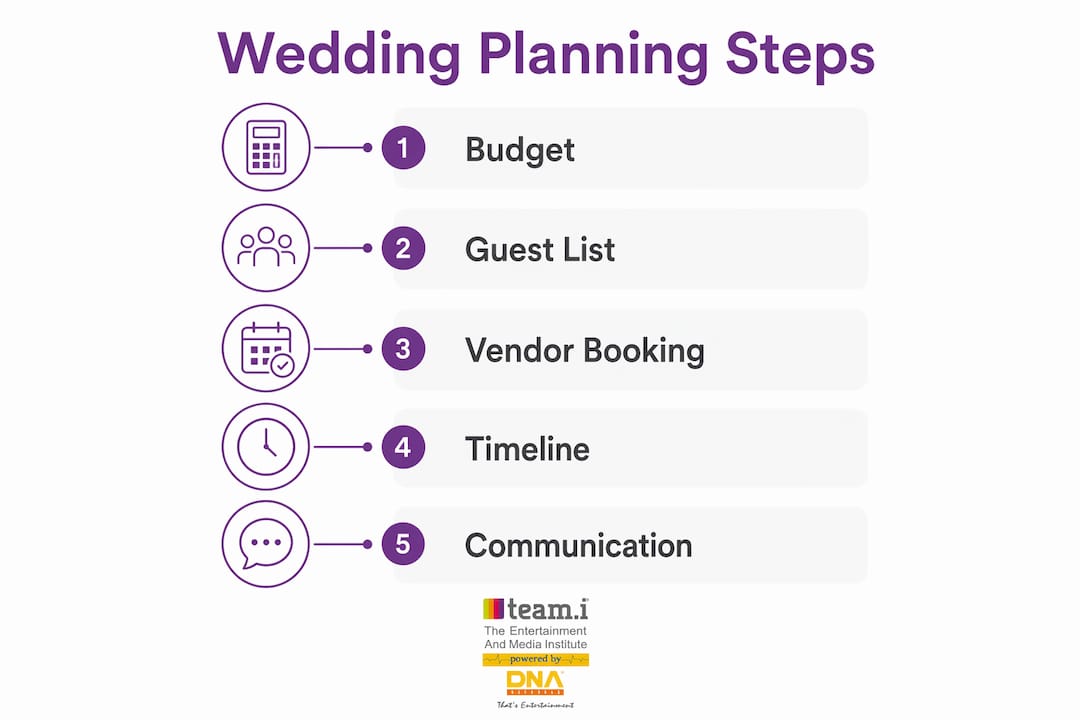
Centralised platforms replacing group texts also reduce communication chaos, which wedding experts consistently rank as the top source of stress across the entire planning process.
What do wedding planners cost in India and globally?
Professional wedding planning services in 2026 typically range from entry-level day-of coordination packages to full-service arrangements. Globally, professional planning services cost $1,500 to $5,000+ depending on service level, location, and event size. In India, pricing varies significantly between cities. A full-service planner in Mumbai or Delhi commands a higher fee than one in Tier 2 cities, reflecting both demand and the scale of events they manage.
What drives the cost up:
- Multi-day ceremonies requiring extended coordination
- Large guest counts above 500 requiring additional coordination staff
- Destination weddings with travel and accommodation logistics
- High-profile vendor networks with premium pricing
What drives value up even faster is the planner’s ability to negotiate. Experienced planners with established vendor relationships regularly secure better rates on catering, décor, and photography than couples negotiating independently. AI-driven planning tools have entered this space as a cost-effective alternative, with reported savings around $5,200 compared to traditional planner fees. These tools handle task lists, budget tracking, and vendor reminders well. They do not handle a florist arriving two hours late on your wedding morning.
How to select the right planner for your Indian wedding
Choosing a wedding coordinator is not just about budget. It is about finding someone who understands the specific complexity of your event. Indian weddings are not single-day affairs. A typical Hindu wedding in Bangalore involves a mehendi, sangeet, wedding ceremony, and reception across two to three days. Your planner must have direct experience managing multi-ceremony events, not just Western-style single-day receptions.
Follow this process when evaluating planners:
- Ask for references from similar weddings. A planner who has managed a 400-guest Punjabi wedding in Delhi understands logistics that a planner with only small-event experience does not.
- Review their vendor network. Planners with established relationships in your city get better availability and pricing. Ask specifically which caterers, decorators, and photographers they work with regularly.
- Clarify the service scope in writing. Verbal agreements dissolve under pressure. Your contract should specify exactly which tasks the planner owns, what is excluded, and how additional requests are billed.
- Assess how they handle family dynamics. Indian weddings involve multiple decision-makers. Your planner needs to manage input from both families without losing sight of your vision.
- Test their communication style early. A planner who takes three days to reply to an email during the sales process will not suddenly become responsive during your wedding week.
Defining your budget and guest count early is the single most critical step before approaching any planner. Without those two numbers, no planner can give you an accurate scope of work or a realistic fee.
What I have learned from watching planners work at real events
After years of observing event professionals across weddings in Bangalore, Mumbai, and Hyderabad, one thing stands out clearly. The best planners are invisible on the day. You do not see them running around looking stressed. You see the wedding running perfectly, and the planner is the reason why.
Planners protect couples’ time and ensure smooth transitions between ceremonies. That is their real job. The checklist is just the tool. The actual skill is calm problem-solving when the mandap decorator arrives without the right flowers or the DJ’s equipment fails thirty minutes before the reception.
DIY planning without professional support is genuinely risky for large Indian weddings. Couples who manage their own vendors often spend the morning of their wedding chasing caterers on the phone instead of getting ready. That is not a hypothetical. It happens at weddings across India every weekend. The planner’s fee is not a luxury cost. It is the cost of actually being present at your own wedding.
The best outcomes happen when couples collaborate with their planner rather than trying to control every decision. Share your vision clearly, set your non-negotiables, and then trust the professional you hired to execute. That is when weddings go from good to genuinely unforgettable.
— Teami
Teami’s event management training for aspiring wedding planners
Wedding planning is a serious profession that demands real skills: vendor negotiation, budget management, timeline creation, and on-ground leadership under pressure. Teami has trained event professionals across India for 24 years, with specialisations in wedding event management and social events. If you are a couple looking to understand what a great planner should deliver, or a professional ready to build a career in this field, Teami’s programmes give you the knowledge that separates competent coordinators from exceptional ones. The event management course covers everything from vendor contracts to day-of execution, grounded in real Indian industry experience.
FAQ
What is a wedding planning planner?
A wedding planning planner is a professional coordinator who manages all aspects of a wedding, including budgeting, vendor sourcing, timeline creation, and on-the-day execution. The industry term for this role is wedding planner or wedding coordinator, depending on the scope of services offered.
How far in advance should you book a wedding planner?
Book your planner 9–12 months before your wedding date. This timeline allows you to secure preferred vendors before peak-season availability closes.
What is the difference between a venue coordinator and a wedding planner?
A venue coordinator works for the venue and manages its rules and logistics. A personal wedding planner works exclusively for you, managing all vendors, solving problems, and advocating for your vision across every aspect of the event.
Do wedding planners save you money?
Experienced planners often negotiate better vendor rates than couples can independently, and they prevent costly last-minute mistakes. AI planning tools report savings of around $5,200 versus traditional planner fees, though they cannot replace on-the-day human judgement.
What should a wedding planning contract include?
Your contract should specify the exact services covered, what is excluded, the planner’s fee structure, how additional requests are billed, and clear communication protocols. Verbal agreements are not sufficient for events of this scale.
Recommended
- Event Planning Checklist 2025: Step-by-Step Guide for Success – team I
- Wedding event management tips for couples in 2026 – team I
- Wedding Planning Essentials: Key Skills and Tools for 2025 – team I
- Your essential guide to wedding event management success – team I
Thinking about a career in event management?
team I is Bangalore’s only EEMA-certified event management institute, running for 24 years, where students work on real live events with real budgets and real deadlines rather than classroom simulations. See the full range of event management courses in Bangalore, or go straight to the flagship Certificate Program in Event Management (CPEM).