
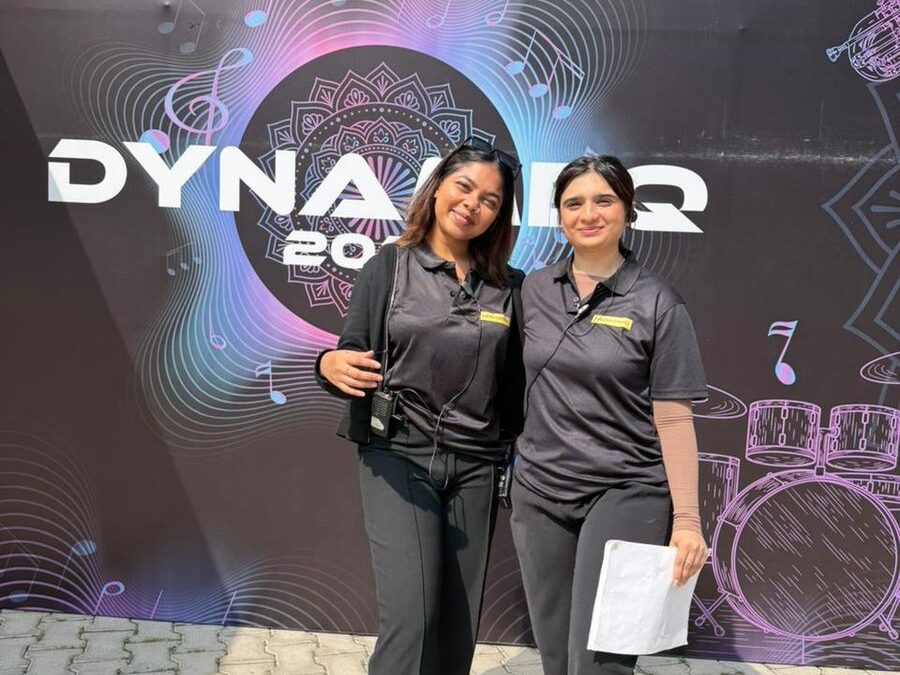
Six weeks. That is how long our newest batch had been students when they reported to a heritage-style venue in Bengaluru for a two-day live show with hundreds of guests, a full production build, and a run sheet with their responsibilities on it. Not a college fest. Not a simulation. A client’s show, with a professional crew, where mistakes cost real money.
This is what practical event management training means at team I, and these photos, taken by the students themselves that weekend, tell it better than any prospectus.
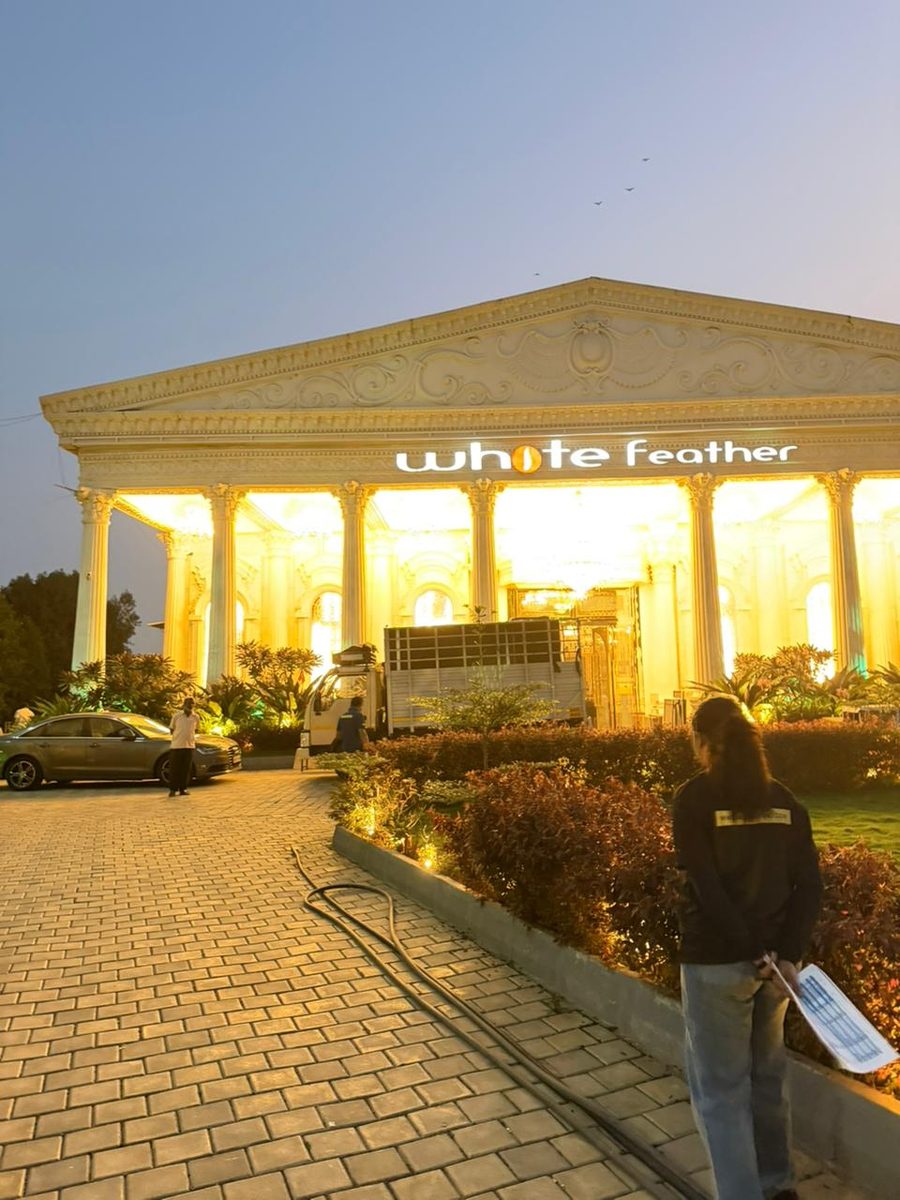
Week six, day one: the room does not care that you are new
When you arrive at a venue on load-in day, nobody asks how long you have been studying. There is a hall to set, a stage to build, seating for hundreds to lay out, and a clock already running. Our students walked into that and were given actual responsibilities: floor coordination, guest seating logic, backstage running, artist green room support.
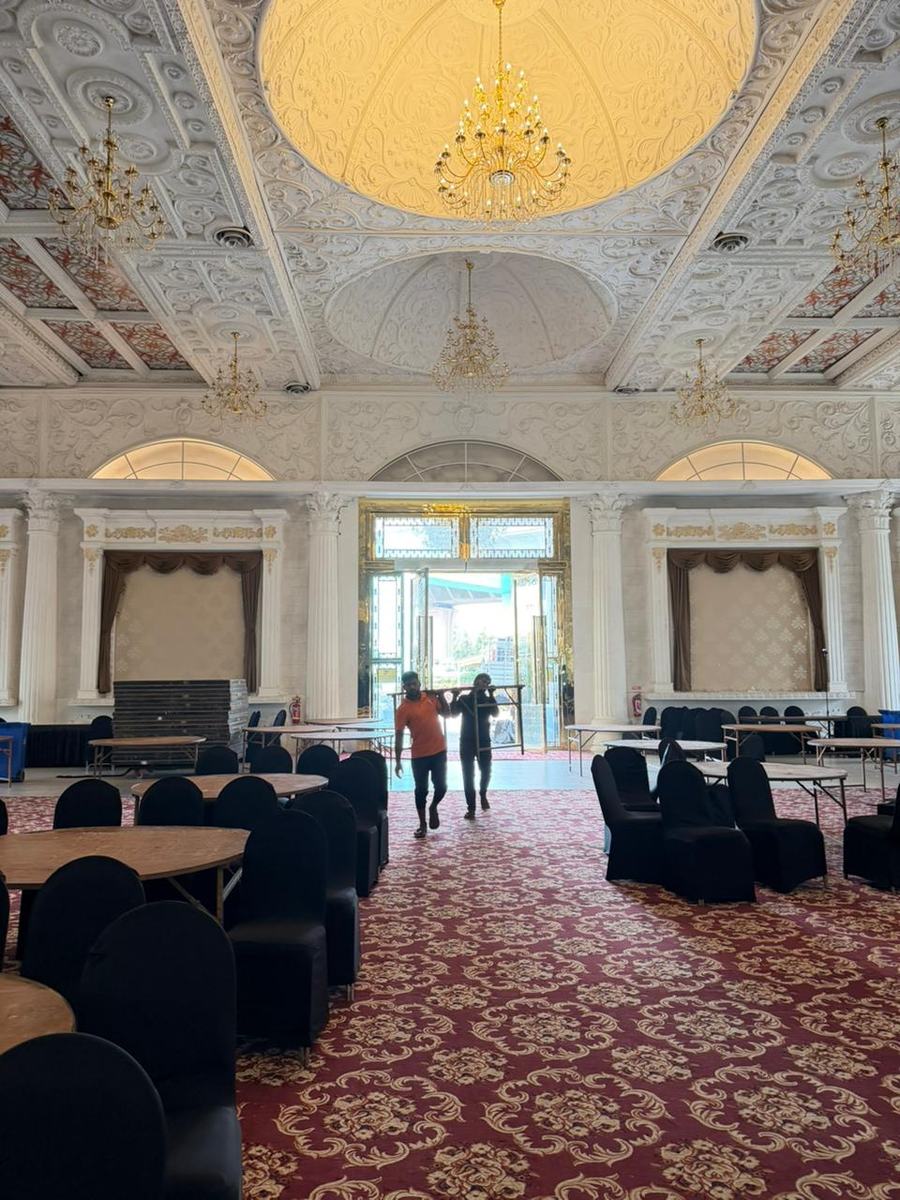
The classroom part of the course had covered venue layouts, crowd flow and production timelines. Week six is where those slides became a physical room with real dimensions, real deadlines and a carpet that swallows cable runs. If you want the full anatomy of how a show comes together, we wrote about the full event production process from another shoot. This post is about what it does to the students.
The uniform does something to you
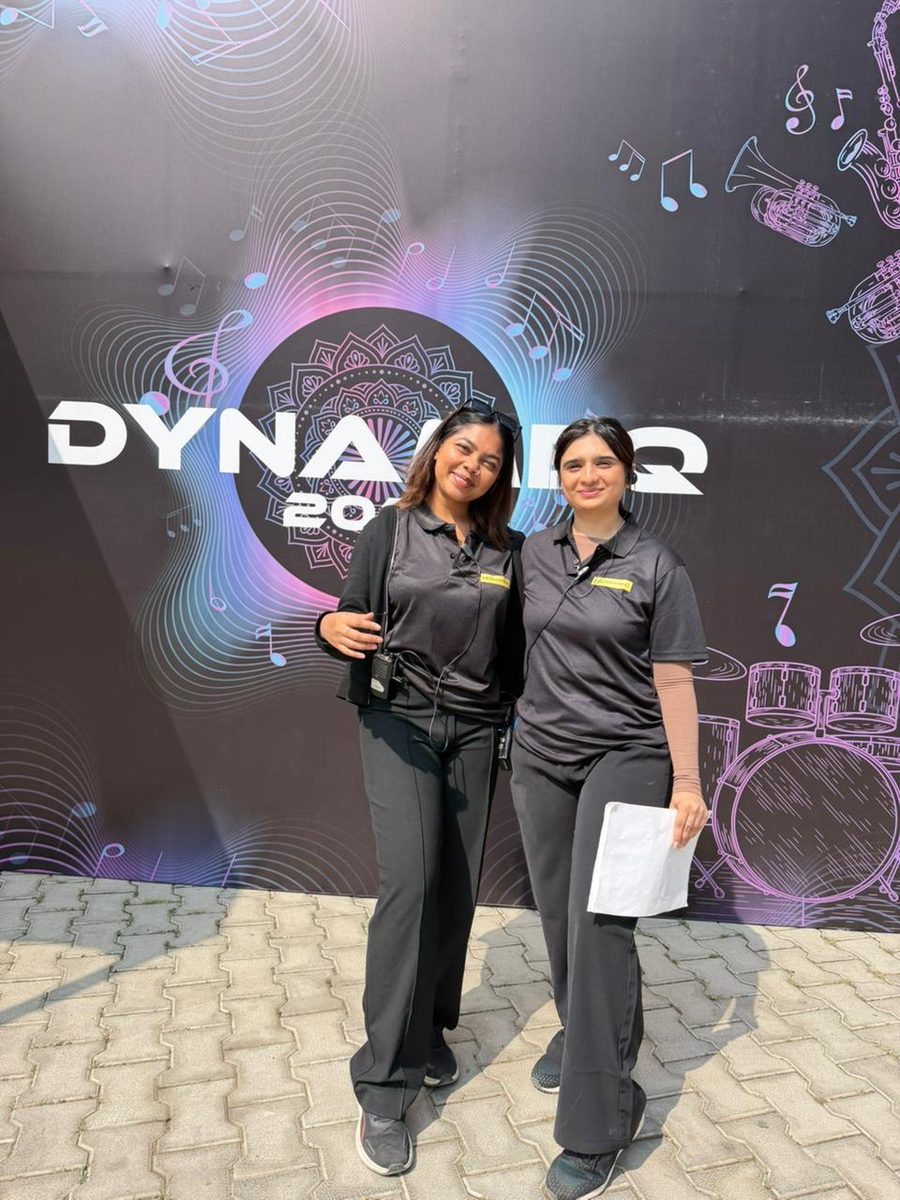
Put a crew shirt and a walkie on a nineteen-year-old and something changes. Guests ask them where to go, and they have to know. Vendors ask them where to place things, and they have to decide. The senior crew treats them as crew, not as visitors, which is both terrifying and the entire point. Confidence in this industry is not taught. It is issued, one showday at a time.
What they came back with
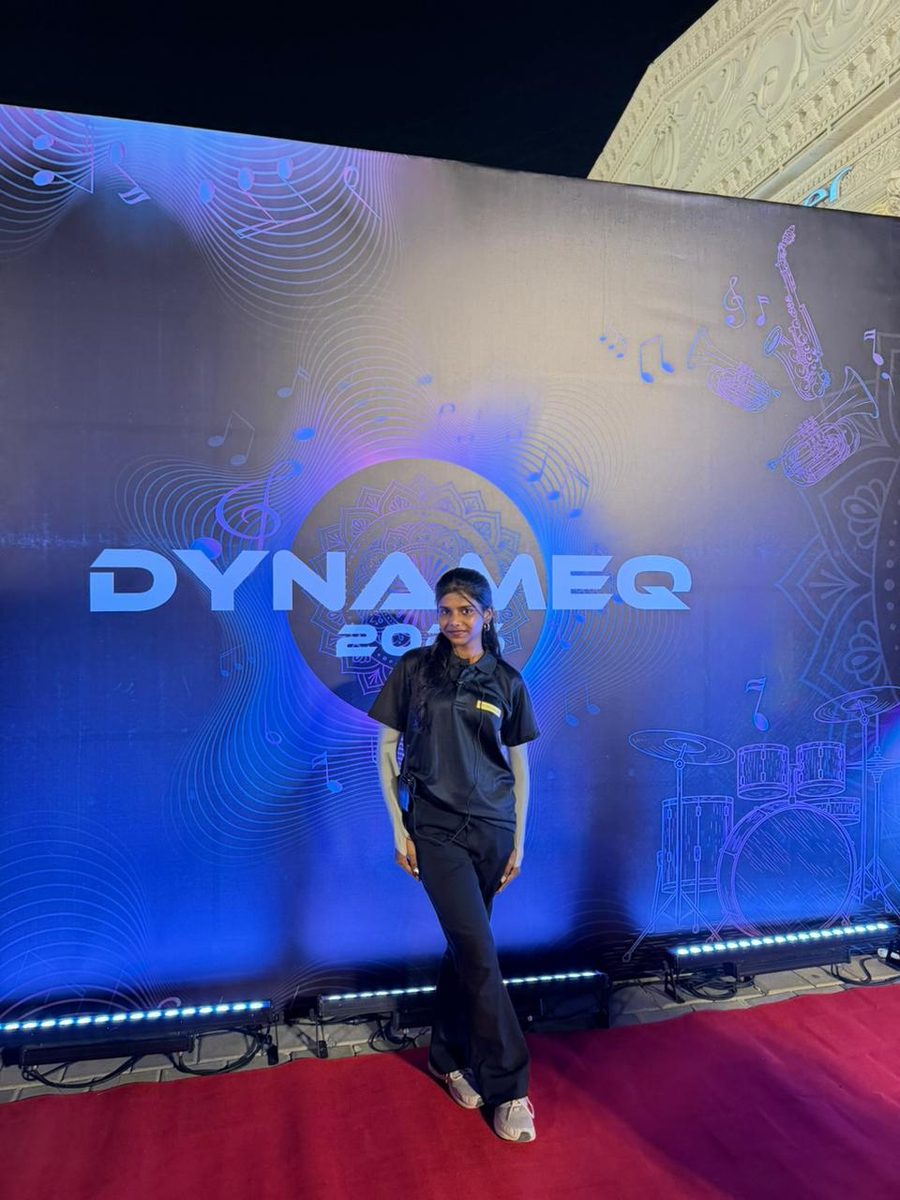
Tired feet, some stories, and something harder to name: proof. Proof that they can stand in a professional environment and be useful in it, six weeks into a course. That proof compounds. By the end of the 10 months of coursework and the 2-month industry internship that follows, a team I student has a portfolio of real shows, not a folder of assignments, and the industry has watched them grow across all of them.
If you are choosing a course, make this your test
Ask any institute you are considering one question: how many weeks until I stand inside a real show with a real responsibility? Compare the answers across event management courses in Bangalore. Ours is measured in weeks, not semesters. The full structure, including eligibility and how admissions counselling works, is on the Certificate Program in Event Management page.
Want to feel week six for yourself? Visit the campus on Magadi Main Road, or message us on WhatsApp. We would rather show you than tell you.
FAQ
How early do team I students work on real events?
Within the first weeks of the program. The batch in these photos worked their first major two-day live show around six weeks in.
Do students get specific responsibilities or just observe?
Specific responsibilities, scaled to experience: floor coordination, seating, backstage running, green room support, entry management. Observation alone teaches very little, so we avoid it.
Is this safe and supervised?
Yes. Students work as part of a professional crew under faculty and senior production staff, with clear reporting lines, exactly as the industry operates.