
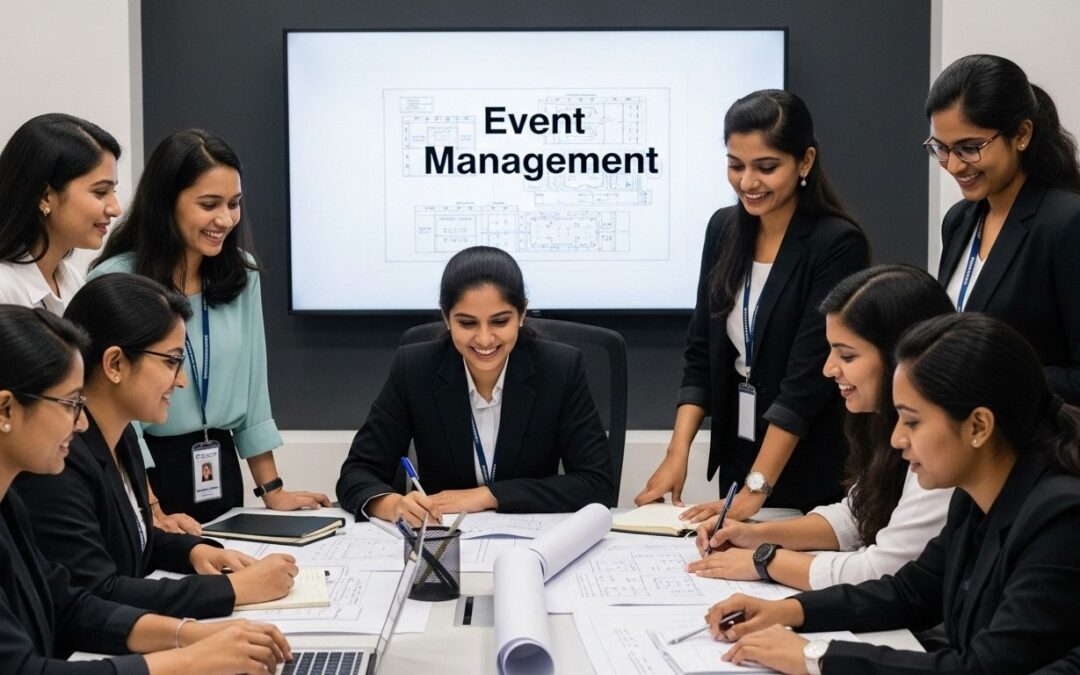
Event management sounds like it is just about planning parties or booking a venue. Not quite. It is a professional field where over 139,000 people in the United States work to pull off everything from massive conferences to high-pressure entertainment experiences every day. Most people expect the details to be all about flowers or food but the real challenge is keeping it all running smoothly when things go off-script. What really sets top pros apart is their mix of crisis management, tech skills, and industry credentials that keep even the wildest events on track.
Table of Contents
- Defining Event Management And Its Scope
- Core Responsibilities And Skills Required
- Popular Career Paths In Event Management
- Training, Certification, And Industry Opportunities
Quick Summary
| Takeaway | Explanation |
|---|---|
| Event management requires diverse skills. | Professionals must master communication, planning, and crisis management to excel. |
| Technology is integral to event planning. | Digital tools and software enhance the efficiency and creativity of organizing events. |
| Career paths are highly specialized. | Opportunities range from corporate events to weddings, requiring unique expertise for each area. |
| Continuous learning is essential. | Ongoing education and certifications help professionals stay updated with industry trends and practices. |
| Networking enhances career development. | Building connections through industry events and mentorships is crucial for growth and success. |
Defining Event Management and Its Scope
Event management represents a dynamic professional discipline focused on conceptualizing, planning, executing, and managing complex gatherings across various sectors. Exploring the fundamentals of professional event coordination reveals a multifaceted career that blends creativity, strategic thinking, and precise logistical coordination.
The Professional Landscape of Event Management
According to the U.S. Bureau of Labor Statistics, event management encompasses the comprehensive coordination and planning of professional meetings and events. This field extends far beyond simple party planning, requiring professionals to manage intricate details such as venue selection, participant experience, budget management, vendor negotiations, and seamless execution across various event types.
The scope of event management is remarkably broad, covering multiple specialized domains including:
To help readers quickly compare the main domains within event management, the following table summarizes each specialized area and provides examples of relevant event types for each domain.
| Event Management Domain | Example Event Types |
|---|---|
| Corporate Events | Conferences, product launches, team-building retreats, corporate celebrations |
| Social Events | Weddings, birthday parties, anniversary celebrations, cultural festivals |
| Entertainment Events | Concerts, music festivals, theater productions, live performances |
| Nonprofit Events | Fundraising galas, charity auctions, awareness campaigns, community gatherings |
| Sports Events | Tournament management, athlete meets, sports competitions, athletic conferences |
- Corporate Events: Conferences, product launches, team-building retreats, and corporate celebrations
- Social Events: Weddings, birthday parties, anniversary celebrations, and cultural festivals
- Entertainment Events: Concerts, music festivals, theater productions, and live performances
- Nonprofit Events: Fundraising galas, charity auctions, awareness campaigns, and community gatherings
- Sports Events: Tournament management, athlete meets, sports competitions, and athletic conferences
Core Competencies and Professional Requirements
Successful event managers must possess a unique blend of technical skills and interpersonal capabilities. These professionals are essentially orchestrators who transform conceptual ideas into memorable, well-executed experiences. Critical skills include advanced communication, meticulous planning, crisis management, vendor relationship building, technological proficiency, and the ability to anticipate and resolve potential challenges in real-time.
Modern event management has evolved dramatically with technological advancements. Digital tools, virtual event platforms, data analytics, and sophisticated planning software have transformed how professionals conceptualize, design, and implement events. This technological integration demands continuous learning and adaptability from event management professionals.
The industry requires practitioners to be part logistician, part creative director, and part problem solver. Whether managing an intimate corporate workshop or a massive international conference, event managers must maintain precision, creativity, and composure under varying levels of complexity and pressure.
Professional certification and specialized education have become increasingly important in establishing credibility within this competitive field. Aspiring event managers are encouraged to pursue targeted training programs that offer practical experience, industry connections, and comprehensive understanding of event design, marketing, financial management, and emerging technological trends.
Core Responsibilities and Skills Required
Event management demands a comprehensive skill set that combines technical expertise, creative problem solving, and exceptional interpersonal capabilities. Learn more about professional event management skills reveals the intricate nature of this dynamic profession.
Strategic Planning and Coordination
According to O*NET, event managers are responsible for coordinating all aspects of professional meetings and events with precision and strategic foresight. This involves intricate planning processes that extend far beyond basic logistical arrangements. Key responsibilities include:
-
Venue Selection: Identifying and securing appropriate locations that match event requirements
-
Budget Management: Creating comprehensive financial plans and tracking expenditures
-
Vendor Negotiations: Establishing contracts and managing relationships with service providers
-
Scheduling: Developing detailed timelines and ensuring seamless event execution
-
Risk Assessment: Anticipating potential challenges and developing contingency strategies
The U.S. Bureau of Labor Statistics emphasizes that successful event managers must meticulously arrange transportation, coordinate activities, and ensure compliance with legal and regulatory requirements.
Essential Professional Skills
Professional event management requires a complex blend of technical and interpersonal skills. Critical competencies include:
- Advanced Communication: Ability to interact effectively with diverse stakeholders
- Strategic Problem Solving: Quick and creative resolution of unexpected challenges
- Technological Proficiency: Utilizing digital tools and event management software
- Emotional Intelligence: Managing team dynamics and client expectations
- Multitasking: Simultaneously managing multiple event components
Technological integration has transformed event management, requiring professionals to be adaptable and continuously learn. Modern event managers must leverage digital platforms, data analytics, and innovative technologies to create memorable experiences.
Professional Development and Specialization
Aspiring event managers should focus on developing a holistic skill set that combines theoretical knowledge with practical experience. Professional certifications, specialized training programs, and hands-on internships provide crucial pathways to mastering the intricate art of event management.
The field demands professionals who can seamlessly blend creativity, strategic thinking, and technical expertise. Whether managing corporate conferences, social celebrations, or large-scale entertainment events, event managers must demonstrate exceptional organizational skills, cultural sensitivity, and the ability to transform conceptual ideas into remarkable experiences.
Continuous learning remains paramount in this dynamic profession. Successful event managers invest in ongoing skill development, stay updated with industry trends, and cultivate a network of professional connections that enhance their capabilities and career prospects.
Popular Career Paths in Event Management
Event management offers a diverse and exciting professional landscape with numerous specialized career opportunities. Discover the potential career trajectories in event management and explore the dynamic pathways available to aspiring professionals.
Corporate and Professional Event Specializations
According to The Events Group, the events management degree prepares professionals for a wide range of specialized roles. Corporate event management presents multiple career tracks, including:
Below is a summary table comparing common career paths in event management and the primary responsibilities associated with each specialization. This serves as a quick reference for aspiring professionals evaluating their options.
| Career Path | Key Responsibilities |
|---|---|
| Conference/Seminar Coordinator | Managing logistics and content for professional gatherings |
| Corporate Event Manager | Designing and executing business events |
| Exhibition Manager | Organizing trade shows, conferences, exhibitions |
| Event Marketing Specialist | Creating promotional campaigns for events |
| Venue Management Professional | Overseeing facility operations and event infrastructure |
| Wedding & Social Event Planner | Planning and executing weddings and social celebrations |
| Non-profit Event Coordinator | Organizing fundraising galas, charity, or community events |
- Conference and Seminar Coordinator: Managing professional gathering logistics and content delivery
- Corporate Event Manager: Designing and executing internal and external business events
- Exhibition Manager: Organizing trade shows, industry conferences, and professional exhibitions
- Event Marketing Specialist: Creating strategic communication and promotional campaigns for events
- Venue Management Professional: Overseeing facility operations and event infrastructure
Specialized Event Planning Domains
Future Skills Organization highlights the diverse spectrum of event planning opportunities. Professionals can specialize in unique sectors such as:
- Wedding and Social Event Planning
- Non-profit and Fundraising Event Coordination
- Destination and Tourism Event Management
- Government and Public Sector Event Planning
- Sports and Entertainment Event Production
Each specialization demands distinct skills, requiring professionals to develop targeted expertise and industry-specific knowledge.
Career Progression and Professional Development
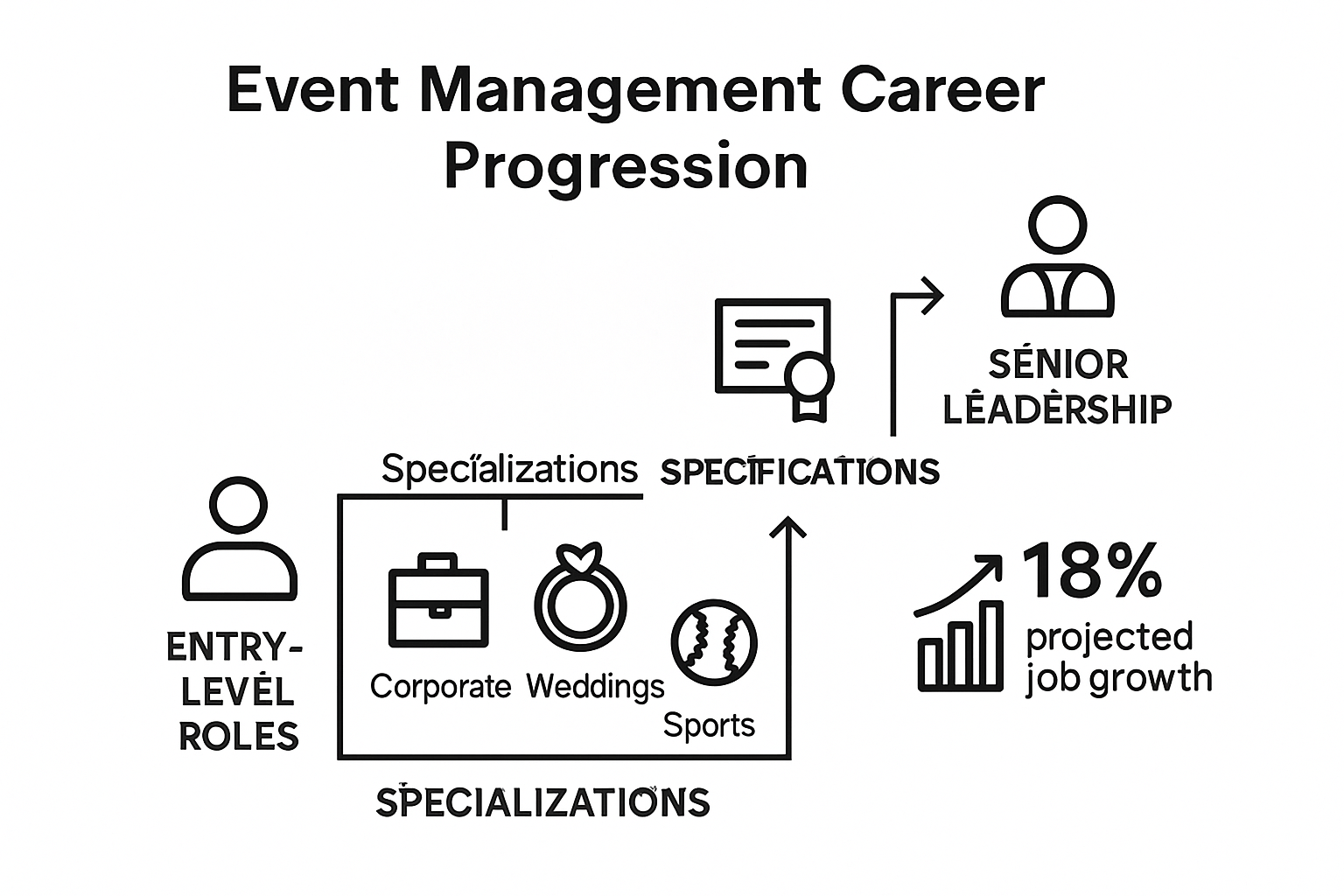
The Association of Event Organizers emphasizes that event management careers follow a progressive trajectory. Entry-level professionals typically start as event coordinators or assistants, gradually advancing to roles like Event Manager, responsible for day-to-day operations and financial performance.
As professionals gain experience, they can progress to senior positions such as Event Director, where responsibilities expand to strategic planning, portfolio management, and organizational growth. Advanced career paths might include roles in event consulting, entrepreneurship, or leadership positions within large event management firms.
Successful event management professionals continually invest in skill development, network building, and staying current with technological innovations. Certifications, specialized training programs, and hands-on experience play crucial roles in career advancement.
The field offers remarkable flexibility, allowing professionals to pivot between different event types, work as independent contractors, or build comprehensive careers within specific industries. Whether managing corporate conferences, creating unforgettable wedding experiences, or producing large-scale entertainment events, event management provides a dynamic and rewarding professional journey.
Training, Certification, and Industry Opportunities
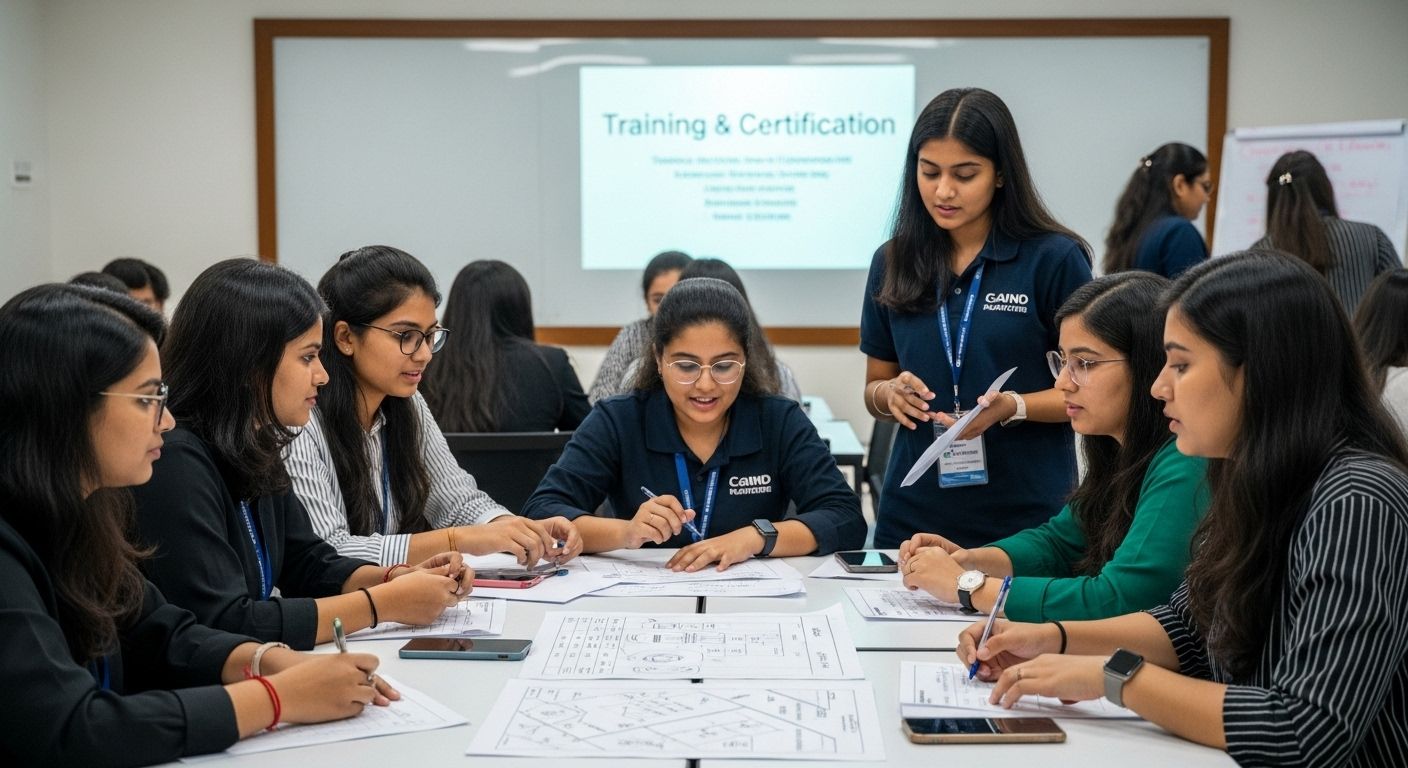
Aspiring event management professionals must navigate a complex landscape of educational pathways, certifications, and industry-specific training programs. Explore comprehensive training options in event management to build a strong foundation for a successful career.
Professional Education and Academic Pathways
Professional education in event management has evolved significantly, offering diverse learning opportunities. The George Washington University provides comprehensive training programs that equip students with essential skills in event design, planning, and execution. These academic pathways typically cover critical areas such as:
- Strategic event planning and design
- Budget management and financial considerations
- Risk assessment and mitigation strategies
- Technological integration in event management
- Marketing and promotional techniques
- Stakeholder communication and relationship management
New York University offers specialized certificates focusing on venue selection, production management, and comprehensive event coordination, providing students with practical, industry-relevant skills.
Professional Certifications and Credentials
The Events Industry Council’s Certified Meeting Professional (CMP) credential represents a globally recognized standard of professional excellence. This certification requires candidates to demonstrate:
- Extensive professional experience in event management
- Comprehensive understanding of industry best practices
- Successful completion of a rigorous examination
- Ongoing professional development
Additional industry certifications include specialized credentials in:
- Corporate Event Management
- Wedding and Social Event Planning
- Digital and Virtual Event Production
- Destination Event Coordination
- Sustainable Event Management
Industry Engagement and Career Development
Successful event management professionals recognize that education extends beyond formal certifications. Continuous learning involves:
- Attending industry conferences and workshops
- Participating in professional networking events
- Engaging with industry publications and research
- Developing mentorship relationships
- Pursuing specialized online courses and webinars
Industry opportunities continue to expand with technological advancements, creating new career paths in virtual event management, hybrid event experiences, and digital event marketing. Professionals who remain adaptable and committed to continuous skill development will find numerous opportunities for growth and innovation.
The event management field rewards those who combine theoretical knowledge with practical experience, creativity with strategic thinking, and technical proficiency with exceptional interpersonal skills. Whether pursuing academic credentials, professional certifications, or hands-on industry experience, aspiring event managers must approach their career development with dedication, curiosity, and a commitment to excellence.
Frequently Asked Questions
What is event management?
Event management is the professional discipline focused on planning, coordinating, and executing events across various sectors, including corporate, social, entertainment, and nonprofit domains. It involves meticulous logistical arrangements, budget management, and ensuring a seamless experience for participants.
What skills are essential for a career in event management?
Key skills required for event management include advanced communication, strategic problem-solving, financial management, vendor negotiation, crisis management, and technological proficiency in event planning software and digital tools.
How can I advance my career in event management?
Career advancement in event management can be achieved through continuous learning, obtaining professional certifications, participating in industry networking events, and gaining practical experience through internships and hands-on roles in specialized areas of event planning.
What educational pathways are available for aspiring event managers?
Aspiring event managers can pursue professional education and academic programs that offer comprehensive training in event planning, strategic design, budget management, marketing techniques, and risk assessment. Certifications, such as the Certified Meeting Professional (CMP), are also valuable for establishing credibility in the field.
Turn Your Passion for Events Into a Standout Career With Expert Training
You have read how event management demands more than creativity. It is a field where only those with the right mix of hands-on skills, industry knowledge, and real-world credentials succeed. Many aspiring professionals struggle to bridge the gap between theoretical learning and on-the-job expertise. This can make the leap into a professional event management career feel overwhelming and uncertain. The fast-changing technology and expanding event types also require constant upskilling. If you want to move from simply understanding the field to excelling in it, you need focused training, live exposure, and trusted guidance.
Now is the best time to act. Join a community that has helped thousands start and grow rewarding event management careers. Visit Event Management – team.i to explore hands-on certifications, industry-led courses, and real event projects. Or go directly to team.i to discover why our 23 years of experience, global partnerships, and outstanding placement record make us the top choice in India for aspiring event professionals. Secure your competitive advantage and start your journey today.