
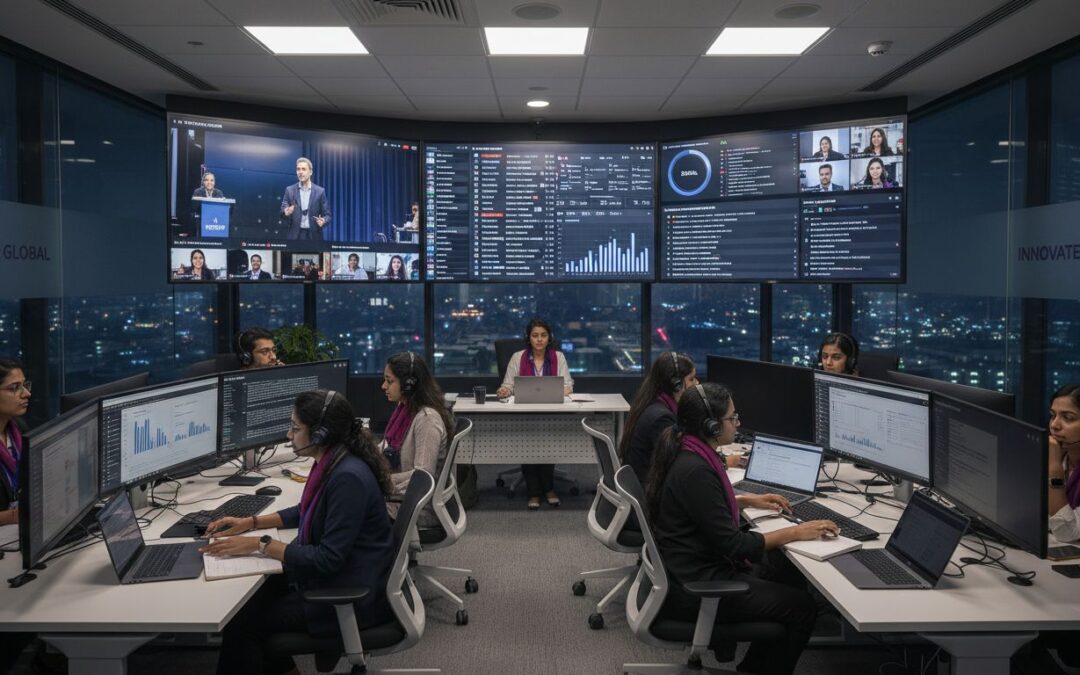
Most british organisations now consider virtual events a central part of their communication strategy, with remote participation growing by over 60 percent in recent years. The shift to digital gatherings is transforming how professionals connect, collaborate, and share ideas. As expectations for seamless interaction and sophisticated engagement rise, understanding the fundamentals of virtual event management becomes crucial for those wishing to deliver impactful online experiences.
Table of Contents
- Virtual Event Management Fundamentals Explained
- Key Formats and Types of Virtual Events
- Essential Tools and Technology Platforms
- Planning and Executing Successful Virtual Events
- Engaging Attendees and Measuring Outcomes
- Challenges, Risks, and Best Practices
Key Takeaways
| Point | Details |
|---|---|
| Understand Virtual Events | Virtual events are sophisticated digital interactions that facilitate professional networking and engagement without physical limitations. |
| Robust Technology is Essential | Successful management relies on a strong technological foundation and effective communication tools to create seamless experiences. |
| Strategic Planning Matters | Clear objectives and appropriate format selection are crucial for meeting audience needs and ensuring engagement during virtual events. |
| Engagement and Feedback | Employ interactive strategies and measure outcomes to maximise participant involvement and gather valuable insights for future improvements. |
Virtual Event Management Fundamentals Explained
Virtual events represent an innovative digital approach to gathering professionals, teams, and audiences without physical limitations. According to Wikipedia, a virtual event is an online gathering where participants interact in a web-based environment, fundamentally different from traditional in-person conferences.
The core characteristics of virtual events include digital platforms that enable real-time interaction, multimedia presentations, and remote participation. These events typically incorporate multiple engagement channels such as live webcasts, interactive webinars, digital networking spaces, and collaborative breakout rooms. Wikipedia highlights that modern virtual events can even blend physical and digital experiences through hybrid event formats, increasing accessibility and reducing traditional logistical constraints.
Key components of successful virtual event management encompass several critical elements:
- Robust technological infrastructure
- Seamless user experience design
- Interactive digital engagement strategies
- Reliable streaming and communication technologies
- Comprehensive digital security protocols
Professional virtual event managers must develop sophisticated digital skills that go beyond traditional event planning. This includes understanding complex digital platforms, managing remote participant experiences, and creating immersive online environments that replicate the energy and connectivity of physical gatherings. For professionals seeking to excel in this emerging field, Event Project Management Skills provide essential strategies for navigating this dynamic digital landscape.
Understanding virtual event management requires recognising that these digital gatherings are not mere technological substitutes, but sophisticated communication ecosystems designed to facilitate meaningful professional interactions across geographical boundaries.
Key Formats and Types of Virtual Events
Virtual events represent a diverse and dynamic digital landscape with multiple engagement formats designed to meet different professional and organisational needs. According to Cvent, these formats typically include webinars, virtual conferences, and virtual trade shows, each serving distinct communication objectives.
Remo provides further insights by categorising virtual events into three primary types: live events, virtual events, and webinars. These categories reflect the evolving sophistication of digital interaction platforms, enabling organisations to create tailored experiences that transcend traditional physical limitations.

Key virtual event formats include:
- Webinars: Short, focused educational sessions with expert presenters
- Virtual Conferences: Comprehensive online gatherings mimicking physical conference structures
- Virtual Trade Shows: Digital exhibitions allowing product demonstrations and networking
- Interactive Workshops: Collaborative online learning environments
- Networking Events: Structured digital spaces for professional connections
Professionals seeking to master virtual event design can benefit from understanding the nuanced requirements of each format. For comprehensive strategies in navigating this digital landscape, professionals might explore our guide on running virtual events, which offers deeper insights into technological tactics and engagement strategies.
Successful virtual event management demands a strategic approach that balances technological infrastructure, engaging content design, and seamless user experience across diverse digital platforms.
Essential Tools and Technology Platforms
Virtual event management relies critically on sophisticated technological infrastructure that enables seamless digital interactions. According to IEEE Events, these technology platforms are designed to support comprehensive online participation, facilitating live streaming, interactive sessions, and virtual networking capabilities that are fundamental to successful digital gatherings.
Communication and collaboration platforms form the backbone of virtual event technologies. Arxiv highlights the importance of merging synchronous and asynchronous communication methods to maintain cohesive team understanding and engagement. These platforms must provide robust features that replicate the spontaneity and connectivity of physical event environments.
Key technological tools for virtual event management include:
- Video Conferencing Platforms: Zoom, Microsoft Teams, Google Meet
- Interactive Webinar Software: WebEx, GoToWebinar
- Virtual Event Platforms: Hopin, vFairs, 6Connex
- Collaborative Workspace Tools: Slack, Microsoft Teams, Miro
- Engagement and Networking Tools: Remo, Gather.town
For professionals looking to dive deeper into technological strategies, our guide on virtual event technologies provides comprehensive insights into selecting and implementing the most effective digital solutions.
Successful virtual event management requires a nuanced understanding of technological ecosystems, focusing not just on individual tools but on creating integrated, user-friendly experiences that foster meaningful digital interactions.
Planning and Executing Successful Virtual Events
Successful virtual event management demands a strategic and comprehensive approach that goes far beyond traditional event planning methodologies. According to Cvent, effective planning involves defining clear objectives, selecting the most appropriate event format, and choosing reliable technological platforms that can support comprehensive participant engagement.
Remo emphasises the critical importance of understanding the nuanced differences between various virtual event formats, highlighting that each type requires specific planning strategies tailored to unique logistical and audience interaction requirements. This differentiated approach ensures that organisers can create targeted experiences that resonate with their specific audience demographics.
Key strategic planning components include:
- Clear Event Objectives: Define precise goals and expected outcomes
- Audience Segmentation: Understand participant demographics and expectations
- Technology Infrastructure: Select robust platforms supporting interactive experiences
- Content Design: Create engaging, multimedia-rich presentation formats
- Interactive Engagement Mechanisms: Implement networking and participation tools
Professionals seeking a structured approach to virtual event planning can benefit from consulting our comprehensive event planning checklist, which provides detailed insights into systematic event preparation and execution strategies.
Ultimately, successful virtual events are not merely about technological implementation, but about creating immersive, meaningful digital experiences that transcend physical limitations and foster genuine professional connections.
Engaging Attendees and Measuring Outcomes
Engaging participants in virtual events requires a sophisticated, multi-dimensional approach that goes beyond traditional interaction strategies. Arxiv emphasises the critical importance of leveraging diverse communication tools to facilitate meaningful collaboration and interaction in digital environments, recognising that participant engagement is the cornerstone of successful virtual experiences.
Measuring the effectiveness of virtual events demands a comprehensive analytical framework that captures both quantitative and qualitative insights. This approach involves tracking multiple engagement metrics, including participant interaction rates, session attendance, real-time feedback mechanisms, and post-event survey responses. Understanding these nuanced indicators provides event managers with actionable intelligence about the event’s overall impact and participant satisfaction.
Key strategies for maximising attendee engagement include:
- Interactive Polling and Q&A Sessions: Encourage real-time participation
- Gamification Elements: Introduce competitive and rewards-based interactions
- Breakout Rooms: Enable smaller, focused group discussions
- Networking Opportunities: Create structured digital connection spaces
- Multimedia Content Delivery: Use varied presentation formats
Professionals seeking to elevate their event marketing approaches can explore our essential event marketing strategies to develop more compelling and interactive virtual experiences.
Successful virtual event engagement transcends technological implementation, requiring a nuanced understanding of human connection, digital interaction dynamics, and participants’ evolving expectations in an increasingly sophisticated online landscape.
Challenges, Risks, and Best Practices
Virtual event management presents a complex landscape of technological and human interaction challenges that demand strategic foresight and comprehensive planning. Arxiv highlights that these events frequently encounter technical constraints that can significantly impact participant engagement and overall experience, necessitating proactive risk mitigation strategies.
IEEE Events emphasises that successful virtual event management requires a nuanced understanding of potential technological risks and organisational limitations. These challenges extend beyond mere technical implementation, encompassing complex aspects of participant interaction, communication dynamics, and maintaining meaningful professional connections in digital environments.
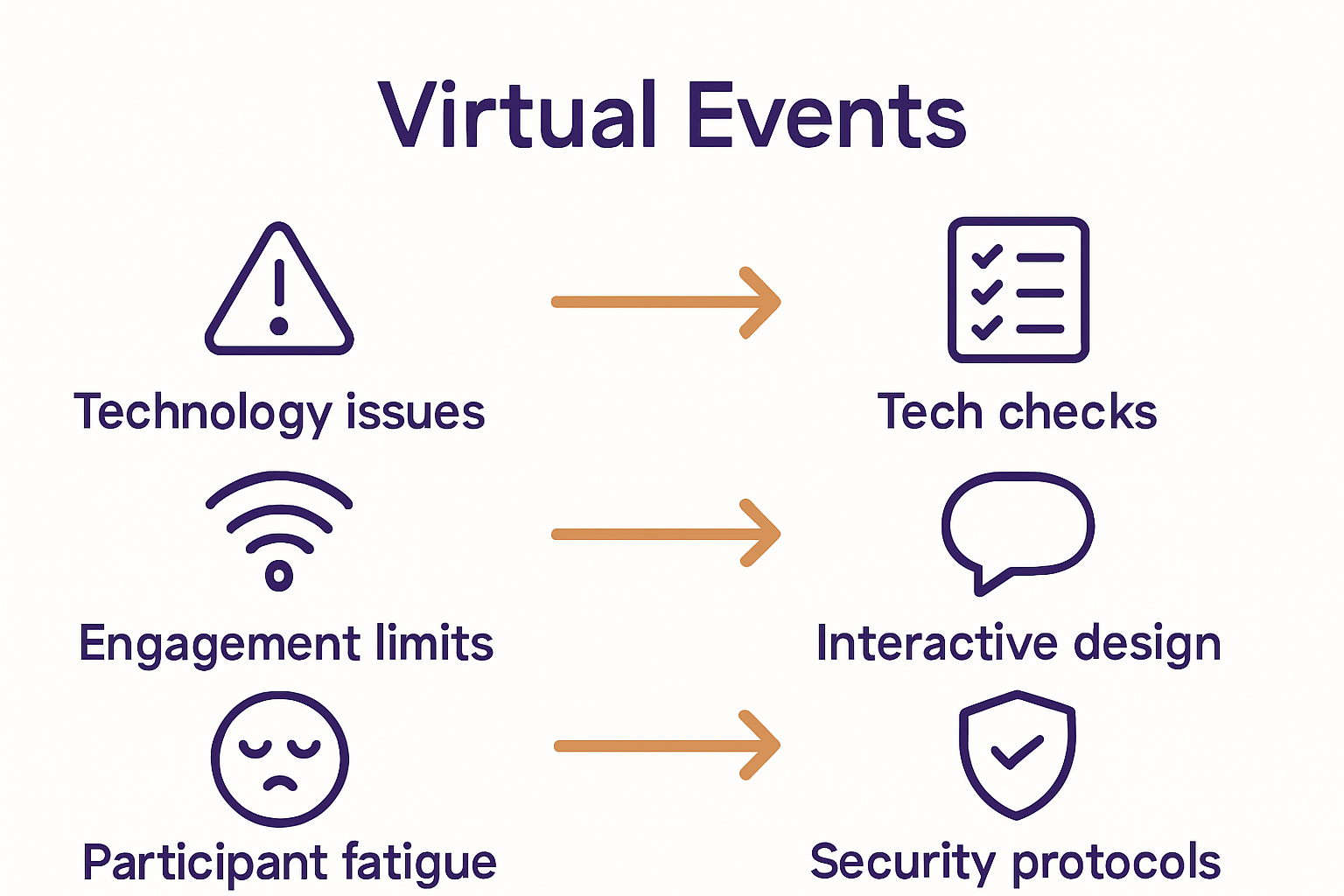
Key challenges and corresponding best practices include:
- Technical Infrastructure Risks: Implement robust backup systems and conduct thorough pre-event technology testing
- Engagement Limitations: Design interactive elements and dynamic content delivery mechanisms
- Communication Barriers: Utilise multiple communication channels and interactive tools
- Participant Fatigue: Create varied, high-energy presentation formats
- Security Concerns: Implement comprehensive digital safety protocols
Professionals seeking a structured approach to identifying and mitigating event risks can gain valuable insights from our event risk assessment guide, which provides comprehensive strategies for navigating potential challenges.
Ultimately, successful virtual event management transcends technical solutions, requiring a holistic approach that balances technological capability with human-centred design principles and an understanding of evolving digital interaction paradigms.
Master Virtual Event Management with Expert Training
Navigating the complexities of virtual event management requires more than understanding technology it demands mastering strategic planning, engaging content design, and flawless execution to overcome challenges like participant fatigue and technical glitches. If you aim to excel in creating immersive digital experiences that connect people across distances our specialised courses at team.i.org offer the perfect solution. With over 23 years of industry experience and practical exposure through internships and live event projects you will develop essential skills such as interactive engagement strategies, digital platform management and risk assessment.
Don’t let the challenges of virtual events hold back your career growth. Explore our comprehensive event planning checklist and dive into the future of event management with confidence. Start your journey today with team.i.org to access industry-relevant certification programmes partnered with DNA Entertainment Networks ensuring you are job-ready for the evolving event landscape. Ready to transform your knowledge into a vibrant career take the next step now and connect with us.
Frequently Asked Questions
What is a virtual event?
A virtual event is an online gathering where participants interact in a web-based environment, allowing for real-time engagement without physical limitations.
What are the key components necessary for successful virtual event management?
Successful virtual event management requires robust technological infrastructure, seamless user experience design, interactive digital engagement strategies, reliable streaming technologies, and strong digital security protocols.
What are the different types of virtual events?
Key types include webinars, virtual conferences, virtual trade shows, interactive workshops, and networking events, each designed to fulfil different communication objectives and audience needs.
How can I ensure participant engagement during a virtual event?
To engage participants, implement interactive polling, Q&A sessions, gamification elements, breakout rooms, and varied multimedia content to enhance interaction and maintain interest.
Recommended
- Corporate Event Planning Guide 2025: Steps, Skills, and Success – team I
- Event Project Management: Essential Skills and Tools for 2025 – team I
- Best Event Management Courses for Aspiring Professionals 2025 – team I
- Event Planning Checklist 2025: Step-by-Step Guide for Success – team I
- Understanding the Austin Event Planning Checklist | Trinity Concierge
- 7 Essential Family Office Networking Strategies for Success – Future Family Office