
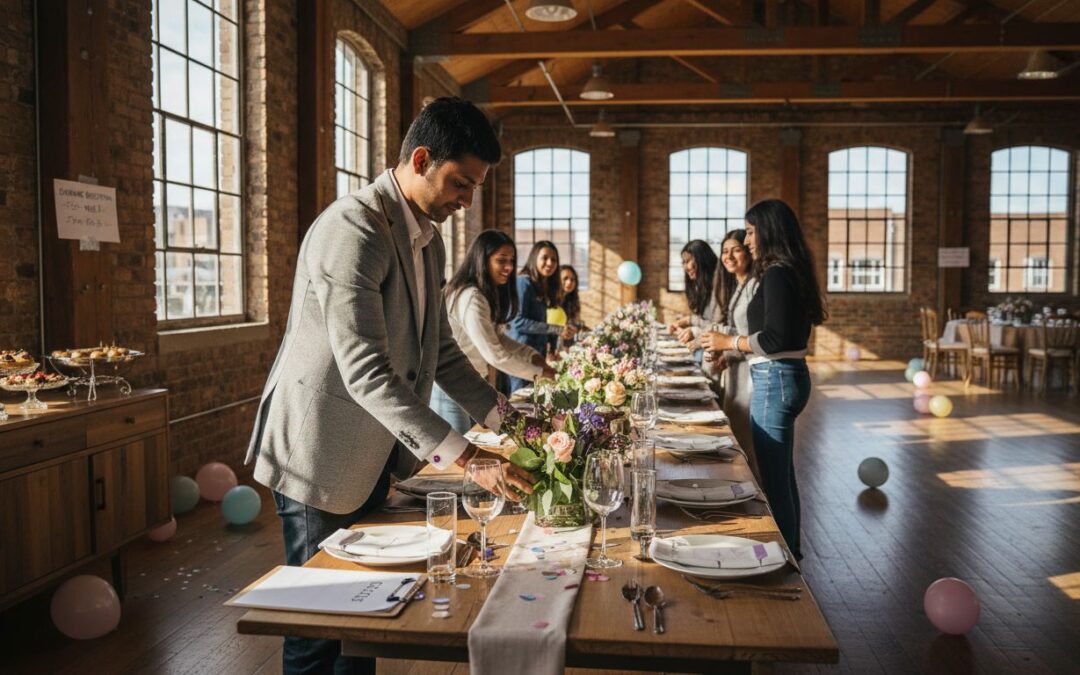
A british gala can feel spectacular or stale depending on its creative event theme. With over 85 percent of attendees saying the overall atmosphere shapes their experience, the impact of theming extends far beyond simple decorations. Whether you are organizing a London conference or an elegant countryside celebration, understanding how to weave a compelling narrative will help you craft memorable and immersive moments for every guest.
Table of Contents
- Defining Creative Event Themes and Their Role
- Popular Types and Trending Theme Ideas
- Integrating Themes Into Seamless Event Design
- Practical Challenges and Budgeting for Themes
- Avoiding Common Mistakes in Themed Events
Key Takeaways
| Point | Details |
|---|---|
| Importance of Themes | Creative event themes enhance experiences by crafting immersive narratives that engage attendees on multiple levels. |
| Strategic Considerations | Theme selection should align with event purpose, audience demographics, and overall goals for optimal engagement. |
| Integration of Design Elements | A holistic approach is crucial for seamless theme integration, ensuring all design aspects contribute to a cohesive experience. |
| Budget Management | Careful financial planning is essential, balancing creative ambitions with realistic budget constraints to maintain thematic integrity. |
Defining Creative Event Themes and Their Role
Creative event themes transform ordinary gatherings into extraordinary experiences. By establishing a cohesive narrative and sensory environment, themes provide more than mere decoration – they craft immersive stories that engage guests on multiple levels. Theming involves strategically integrating architecture, decor, signage, and music to create memorable visitor experiences.
At its core, a creative event theme functions as a conceptual framework that guides design choices and participant interactions. Rather than selecting random decorative elements, successful themes emerge from carefully considered narratives that resonate with attendees. These themes can draw inspiration from historical periods, cultural movements, fantasy worlds, or abstract concepts that spark imagination and emotional connection.
The development of creative themes relies on innovative recombination of familiar elements. By exploring variations on existing concepts, event designers can produce unique experiences that feel simultaneously recognisable and surprising. This approach allows professionals to craft themes that are both accessible and novel, ensuring guests feel simultaneously comfortable and intrigued.
Pro Tip for Theme Development: Start by identifying the core emotional experience you want guests to have, then build your theme backwards from that central feeling. Select design elements, colour palettes, and interactive experiences that authentically communicate and amplify that emotional landscape.
Strategic Theme Selection Considerations:
- Align theme with event purpose
- Consider audience demographics
- Ensure theme supports overall event goals
- Create multisensory engagement
- Balance creativity with guest comfort
Popular Types and Trending Theme Ideas
Emerging event themes for 2025 demonstrate an exciting blend of technological innovation, cultural awareness, and environmental consciousness. Modern event designers are moving beyond traditional decorative approaches, crafting experiences that reflect contemporary social values and attendee expectations.
The current landscape of event themes can be categorised into several compelling trends. Technology-Infused Themes represent one prominent direction, incorporating futuristic design elements, interactive digital experiences, and cutting-edge presentation styles. Simultaneously, Sustainability-Driven Themes have gained significant momentum, with greenery and eco-friendly practices becoming central to event design strategies.
Other notable theme categories include nostalgic concepts like retro 80s and 90s celebrations, cultural fusion events that blend international aesthetics, and immersive destination-inspired experiences. These themes offer event professionals opportunities to create deeply engaging narratives that transport guests beyond conventional gathering spaces. Minimalist elegance, Hollywood glamour, and boho-chic outdoor celebrations provide additional creative pathways for innovative event conceptualisation.
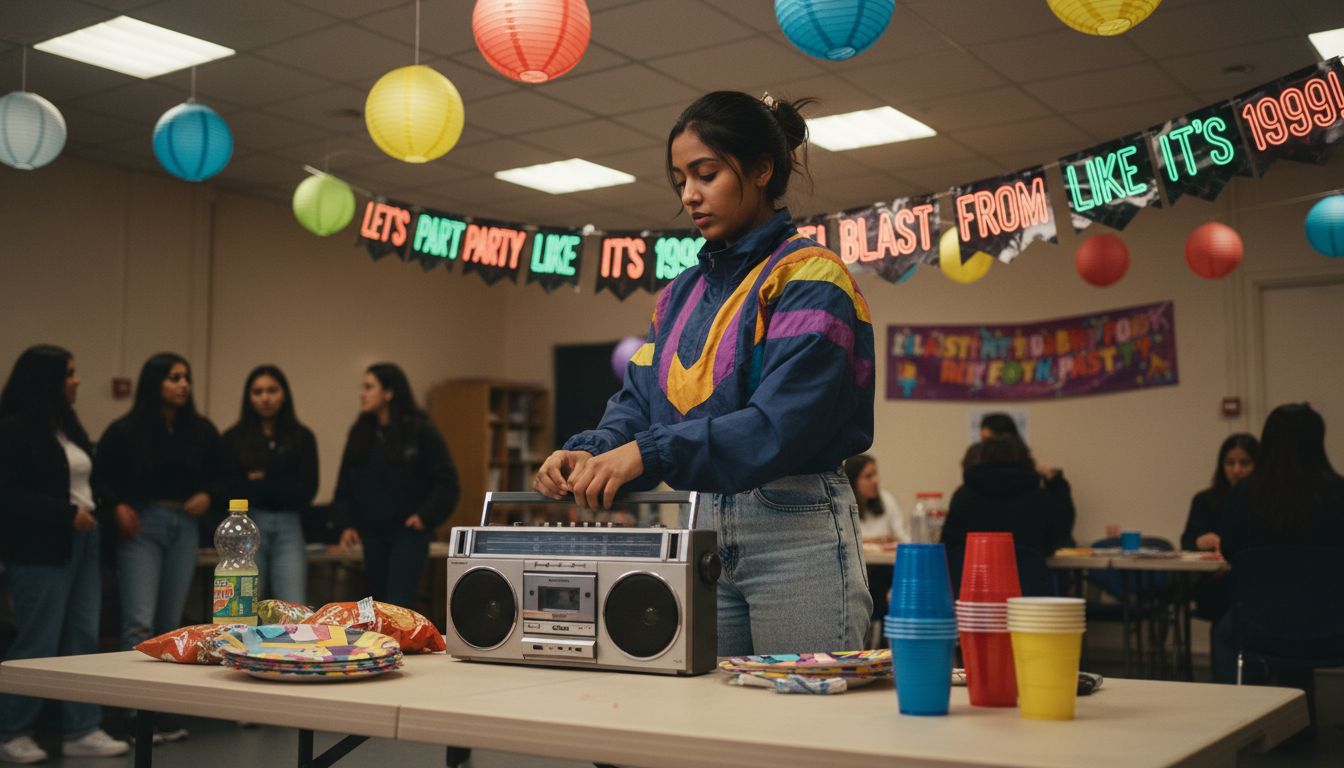
Pro Tip for Theme Selection: Research your target audience’s preferences and generational characteristics before finalising your event theme. Understanding demographic expectations will help you design an experience that feels simultaneously familiar and exciting.
Popular Theme Categories for 2025:
To illustrate different approaches, here is a comparison of two trending event theme styles and their distinctive features:
| Theme Style | Design Focus | Audience Appeal |
|---|---|---|
| Technology-Infused | Digital installations, LED lighting | Futuristic, tech-savvy guests |
| Sustainability-Driven | Eco-friendly materials, natural decor | Environmentally conscious participants |
- Technology and Future Concept Themes
- Sustainability and Eco-Conscious Themes
- Cultural and Heritage Celebration Themes
- Nostalgic Retro Experience Themes
- Minimalist and Modern Design Themes
Integrating Themes Into Seamless Event Design
Effective event theming requires a holistic approach that strategically integrates multiple design elements to create a cohesive and immersive guest experience. Successful theme integration goes far beyond superficial decoration, demanding careful consideration of every sensory and interactive touchpoint throughout the event environment.
The process of seamless theme integration involves several critical design principles. Architectural Alignment becomes paramount, ensuring that spatial elements like venue layout, lighting, and structural features harmonise with the chosen theme. Colour palettes, textural materials, and spatial arrangements must communicate a consistent narrative that guides guest perception and emotional engagement. With an integrated design approach using event timeline planning, event professionals can choreograph immersive experiences that feel intentional and meticulously crafted.
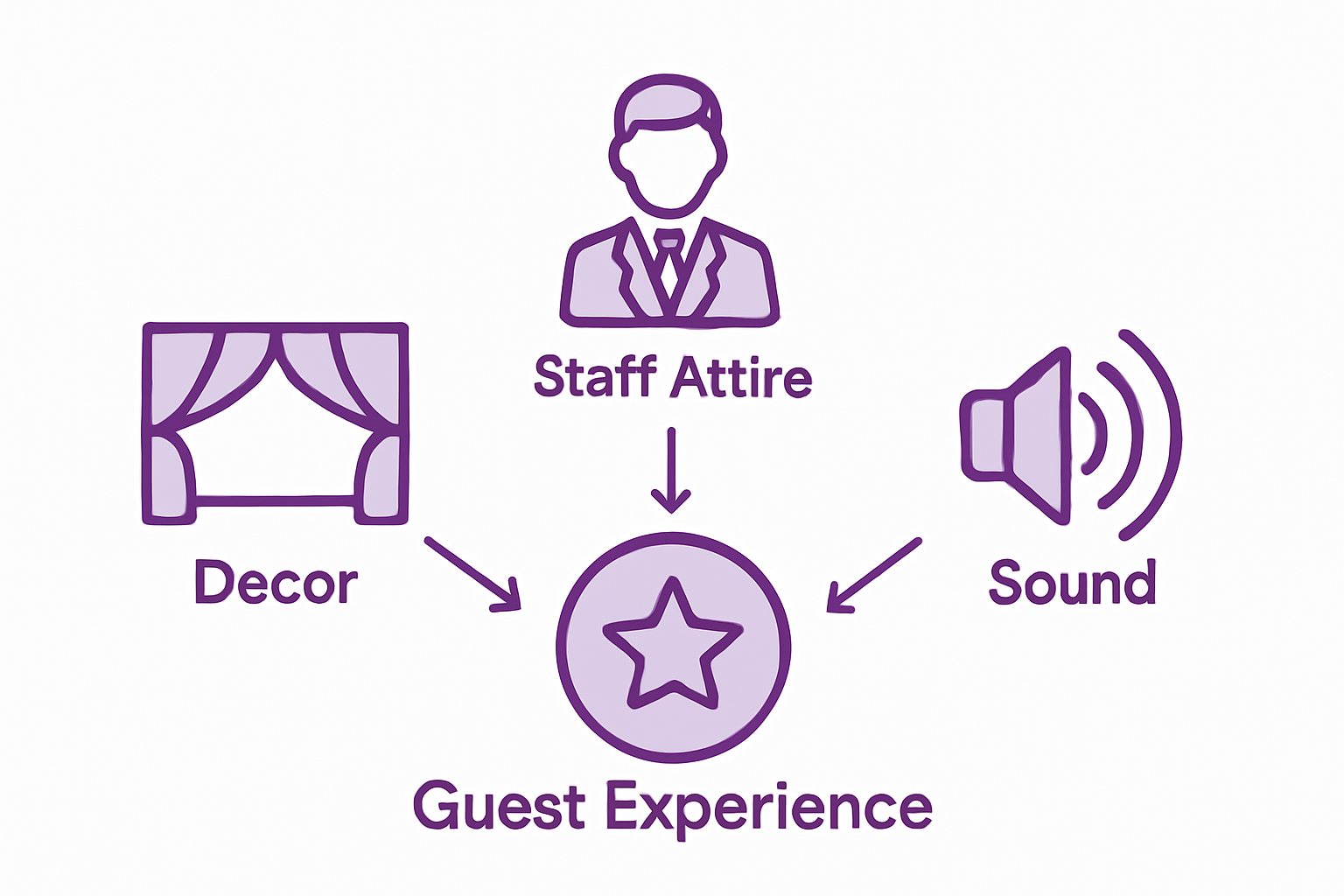
Sound design, staff attire, interactive elements, and even subtle environmental details contribute to theme cohesiveness. For instance, a retro 1980s theme might incorporate period-specific music, vintage decor, staff dressed in era-appropriate clothing, and interactive stations that allow guests to experience nostalgic technologies or cultural touchstones. Each design choice should feel like an organic extension of the central narrative, creating a multisensory journey that transports attendees into the themed experience.
Pro Tip for Theme Integration: Create a comprehensive theme guideline document that details every design element, ensuring consistency across all event aspects from initial concept to final execution.
Key Theme Integration Strategies:
- Develop a holistic design perspective
- Align architectural and decorative elements
- Consider multisensory engagement
- Maintain consistent narrative thread
- Pay attention to minute design details
Practical Challenges and Budgeting for Themes
Implementing creative event themes demands sophisticated financial planning and strategic resource allocation. While innovative themes can transform ordinary gatherings into extraordinary experiences, event professionals must navigate complex budgetary constraints and logistical challenges that can quickly escalate costs.
Budget management becomes particularly nuanced when exploring trending themes like technology-infused celebrations or sustainability-focused experiences. Adopting cutting-edge design concepts requires careful consideration of technology integration expenses and material procurement strategies. With strategic budget planning techniques, event managers can balance creative ambitions with financial realism, identifying cost-effective alternatives that maintain thematic integrity without compromising design quality.
Successful theme implementation involves breaking down potential expenses into granular categories. Costs typically include specialised decor, custom fabrication, technological equipment, staff training, and potential venue modification requirements. Sustainable themes, for instance, might involve purchasing eco-friendly materials at premium prices, while tech-driven concepts could demand sophisticated audiovisual installations. Intelligent budgeting requires a forensic approach to expense tracking, with contingency funds allocated for unexpected design challenges.
Pro Tip for Budget Management: Create a detailed, tiered budget spreadsheet with primary, secondary, and tertiary theme elements, allowing flexible reallocation of funds based on evolving design requirements.
Critical Budget Considerations for Event Themes:
Consider these practical budgeting elements and their potential impact on themed event planning:
| Expense Category | Typical Cost Contributors | Cost-Saving Suggestion |
|---|---|---|
| Custom Décor | Bespoke props, tailored signage | Opt for rental over purchase |
| Technology Setup | AV equipment, software licences | Use existing venue infrastructure |
| Staff & Training | Themed attire, specialised briefings | Cross-train staff where possible |
- Conduct comprehensive cost-benefit analysis
- Prioritise essential thematic elements
- Explore rental and recycling options
- Negotiate bulk purchasing agreements
- Build flexible financial contingencies
Avoiding Common Mistakes in Themed Events
Maintaining thematic consistency is fundamental to creating an immersive event experience that resonates with guests. Event professionals must navigate a complex landscape of design choices, ensuring that every element contributes to a cohesive narrative without overwhelming or confusing attendees.
One of the most prevalent mistakes in themed events involves thematic overextension. When exploring event planning challenges, managers often discover that excessive or disjointed theming can actually detract from the guest experience. Successful theme implementation requires a delicate balance between creative expression and subtle sophistication. This means avoiding literal interpretations that feel forced or cartoonish, and instead focusing on nuanced design elements that suggest the theme without becoming overwhelming.
Practical implementation demands careful consideration of sensory details and guest interactions. For example, a vintage 1920s gatsby-inspired event should integrate period-appropriate music, costume suggestions, and decor elements that hint at the era without creating a museum-like atmosphere. Staff training becomes crucial in these scenarios, ensuring that personnel understand and can subtly reinforce the thematic narrative through their interactions, attire, and service approach.
Pro Tip for Thematic Coherence: Develop a comprehensive theme guideline document that provides clear, specific instructions for every aspect of event design, from staff behaviour to decor placement.
Critical Mistakes to Avoid in Themed Events:
- Overcomplicated thematic elements
- Inconsistent design language
- Neglecting guest comfort
- Ignoring practical functionality
- Forcing theme at the expense of experience
Master Creative Event Themes with Expert Guidance
Creating immersive and memorable event themes requires more than inspiration. It demands strategic planning, deep understanding of audience preferences, and practical skills to integrate design elements seamlessly while managing budgets effectively. If you are passionate about elevating guest experiences by mastering concepts like thematic consistency, multisensory engagement, and innovative trend application you need hands-on training aligned with industry standards.
At team.i.org, we transform aspiring event professionals into confident creators through comprehensive certification programs. Benefit from 23 years of expertise, specialised courses covering social, corporate, wedding, and sports events, and practical exposure that bridges theory with real-world event challenges. Don’t miss your chance to learn how to avoid common theming mistakes and design unforgettable events that resonate emotionally with clients and guests alike.
Take the next step now to sharpen your event management skills with top-tier training at team.i.org. Explore our course offerings and secure your future in this dynamic industry by contacting us directly here. Your journey to becoming a creative event leader begins today.
Frequently Asked Questions
What is the purpose of a creative event theme?
A creative event theme serves as a conceptual framework that guides design choices and participant interactions, transforming ordinary gatherings into extraordinary experiences.
How can I develop a successful event theme?
To develop a successful event theme, identify the core emotional experience you want guests to have and build the theme around that feeling, selecting design elements and interactive experiences that amplify it.
What are some popular themes for events in 2025?
Popular event themes for 2025 include technology-infused themes, sustainability-driven themes, nostalgic retro experiences, cultural fusion events, and minimalist modern designs.
What are the common mistakes to avoid when planning a themed event?
Common mistakes in themed events include thematic overextension, inconsistent design language, neglecting guest comfort, and forcing the theme, which can detract from the overall guest experience.