
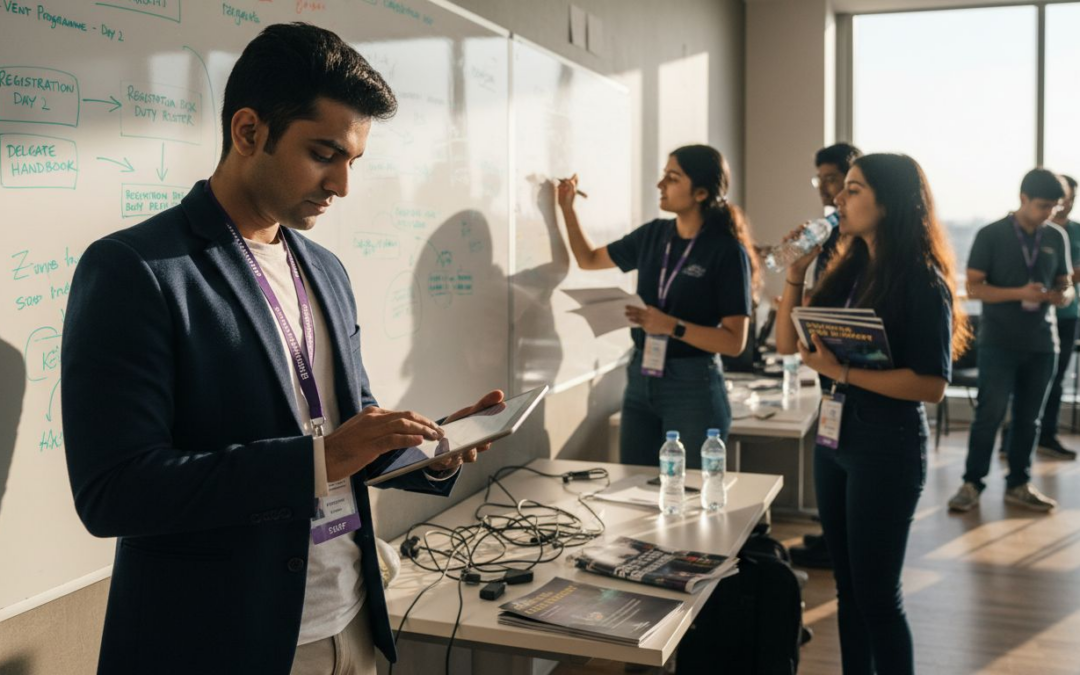
Every Event Manager in India quickly discovers how the pressure of deadlines and competing demands can drain their enthusiasm. Stress from heavy workloads, unclear roles, and work-family balance challenges is not just common—it directly threatens both mental well-being and career progress, as highlighted by leading workplace research. Understanding your own stress triggers is the first step towards building effective techniques that protect your health while advancing your professional goals.
Table of Contents
- Step 1: Identify Personal Stress Triggers
- Step 2: Establish a Supportive Work Routine
- Step 3: Apply Practical Relaxation Techniques
- Step 4: Monitor Progress and Adjust Strategies
Quick Summary
| Key Point | Explanation |
|---|---|
| 1. Identify Personal Stress Triggers | Use a stress journal to track stressors, emotional responses, and their root causes for better awareness. |
| 2. Establish a Supportive Work Routine | Set consistent work hours and regular breaks to create a structured and flexible work environment. |
| 3. Apply Relaxation Techniques | Practice methods like deep breathing and mindfulness daily to improve mental resilience and manage stress. |
| 4. Monitor Progress and Adjust Strategies | Keep a weekly log to assess stress levels and effectiveness of techniques, adapting them as necessary. |
Step 1: Identify Personal Stress Triggers
Recognising your unique stress triggers is the foundational step towards developing effective stress management strategies for event professionals. Understanding what specifically impacts your mental well-being allows you to create targeted interventions before burnout becomes inevitable.
To systematically identify your personal stress triggers, begin by maintaining a stress journal. Research from events and wellbeing experts highlights several common sources of professional stress:
- Excessive workload pressures
- Tight time constraints
- Role-related uncertainty
- Job insecurity concerns
- Work-family balance challenges
Document each instance of stress by recording:
- The specific situation
- Your emotional response
- Physical symptoms experienced
- Potential root cause
Stress is not about what happens to you, but how you perceive and respond to external pressures.
By tracking these details consistently, you’ll start recognising patterns and understanding your unique stress landscape. This self-awareness becomes your most powerful tool in managing professional challenges effectively.
Here’s a summary of how different types of stress triggers can influence event professionals:
| Stress Trigger Type | Common Example | Potential Impact | Suggested Prevention Approach |
|---|---|---|---|
| Workload Pressure | Overlapping deadlines | Reduced focus, fatigue | Prioritise tasks, delegate when possible |
| Time Constraints | Last-minute changes | Heightened anxiety | Build contingency plans |
| Role Uncertainty | Unclear expectations | Lowered job satisfaction | Clarify roles and responsibilities |
| Job Insecurity | Temporary contracts | Chronic worry, poor morale | Seek professional development |
| Work-Family Balance | Extra hours required | Strained personal relationships | Schedule boundaries, regular check-ins |
Professional insight: Create a digital or physical tracking system that allows you to review your stress journal weekly, helping you spot recurring triggers more systematically.
Step 2: Establish a Supportive Work Routine
Creating a structured and supportive work routine is crucial for managing stress effectively in the fast-paced events industry. By implementing strategic practices, you can build resilience and maintain your mental well-being while delivering exceptional professional performance.
Research from workplace wellness experts recommends establishing clear boundaries and predictable work patterns. Key elements of a supportive routine include:
- Consistent work hours
- Scheduled regular breaks
- Clear task prioritisation
- Structured social support networks
- Defined professional boundaries
To implement an effective routine, follow these strategic steps:
- Define your working hours
- Create a priority management system
- Plan regular short breaks
- Establish communication boundaries
- Design a flexible yet structured workflow
A supportive work routine transforms chaos into manageable, purposeful action.
Important considerations include maintaining flexibility while preserving your mental energy. Block specific times for deep work, communication, and personal restoration. By treating your routine as a dynamic framework rather than a rigid schedule, you’ll develop greater professional adaptability.
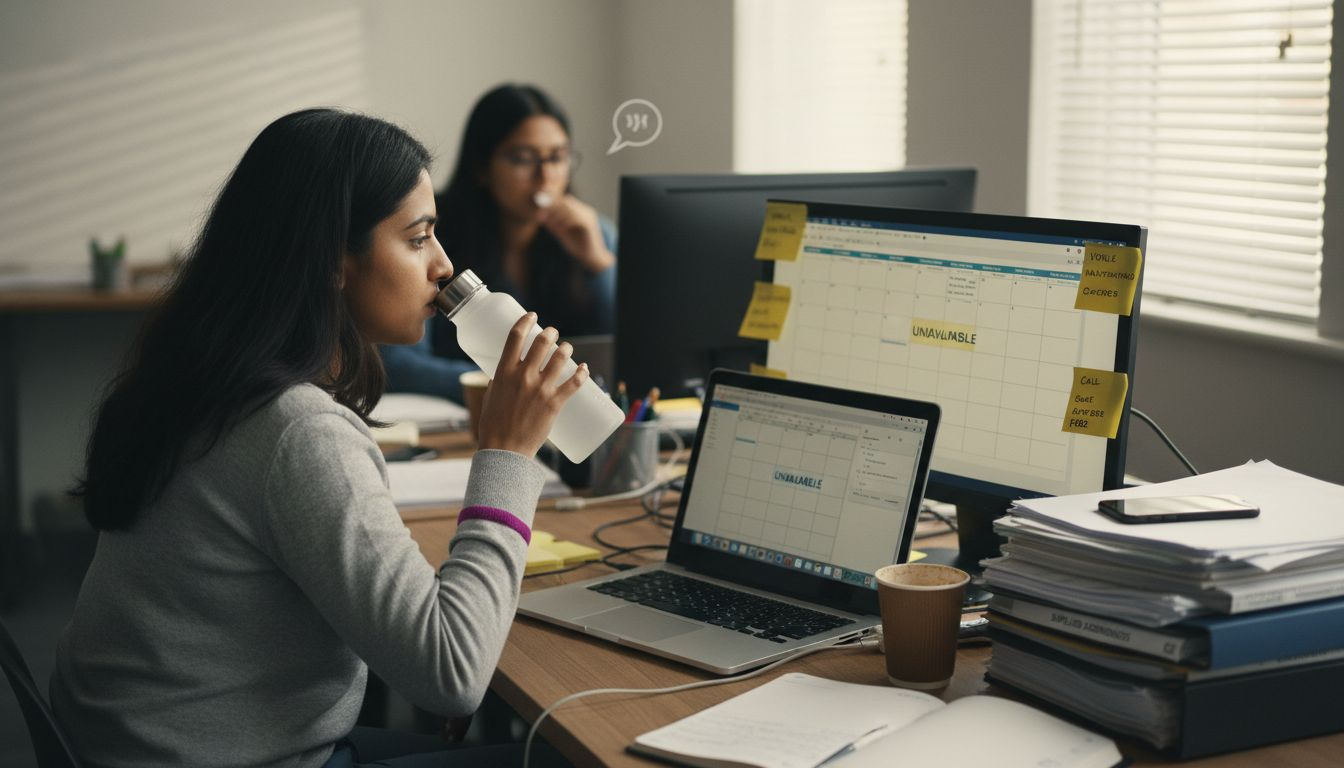
Professional insight: Experiment with different routine structures and track their impact on your stress levels, adjusting your approach based on what genuinely enhances your productivity and well-being.
Step 3: Apply Practical Relaxation Techniques
Managing stress in the high-intensity events industry requires mastering practical relaxation techniques that can quickly reset your nervous system and restore mental equilibrium. Understanding and implementing these strategies will transform your ability to handle professional pressures effectively.
Research from stress management experts highlights several evidence-based relaxation methods specifically designed to interrupt the chronic stress cycle. Key techniques include:
- Deep breathing exercises
- Mindfulness meditation
- Progressive muscle relaxation
- Short physical movement breaks
- Controlled breathing techniques
To implement these techniques effectively, consider the following approach:
- Select 2-3 techniques that resonate with you
- Practice daily for consistent results
- Create a dedicated 10-15 minute relaxation window
- Track your physiological responses
- Adjust techniques based on personal effectiveness
Relaxation is not a luxury. It’s a critical professional survival skill.
The most successful event professionals understand that mental resilience requires intentional practice. By incorporating these techniques into your daily routine, you’ll develop a robust toolkit for managing stress and maintaining peak performance under pressure.
The following table compares relaxation techniques for daily practice:
| Technique | Time Investment | Immediate Benefits | Best For |
|---|---|---|---|
| Deep Breathing Exercises | 5-10 minutes | Rapid calm, lower pulse | Pre-event nerves, high tension |
| Mindfulness Meditation | 10-15 minutes | Increased clarity, focus | Ongoing stress, early mornings |
| Muscle Relaxation | 10 minutes | Less physical tension | Post-event recovery, muscle soreness |
| Physical Movement Breaks | 5 minutes | Boosted energy | Midday slumps, prolonged sitting |
Professional insight: Keep a small toolkit of relaxation techniques readily accessible on your smartphone, allowing you to quickly reset during high-stress moments between event tasks.
Step 4: Monitor Progress and Adjust Strategies
Successful stress management is an evolving journey that demands continuous reflection and strategic adaptation. In the dynamic world of event management, your ability to assess and refine your approaches will determine your long-term resilience and professional well-being.
Scientific research on stress management emphasises the critical importance of systematic progress tracking. Key monitoring elements include:
- Emotional well-being indicators
- Physiological stress responses
- Performance consistency levels
- Energy management patterns
- Personal satisfaction metrics
To effectively monitor and adjust your stress management strategies, follow these systematic steps:
- Create a weekly self-assessment log
- Record stress levels and triggering events
- Evaluate the effectiveness of your current techniques
- Identify patterns and recurring challenges
- Modify strategies based on empirical observations
Progress is not linear. It’s a continuous process of learning and adaptation.
The most resilient event professionals understand that mental health strategies require ongoing refinement. By maintaining a flexible and introspective approach, you’ll develop a personalised toolkit that evolves with your professional journey.
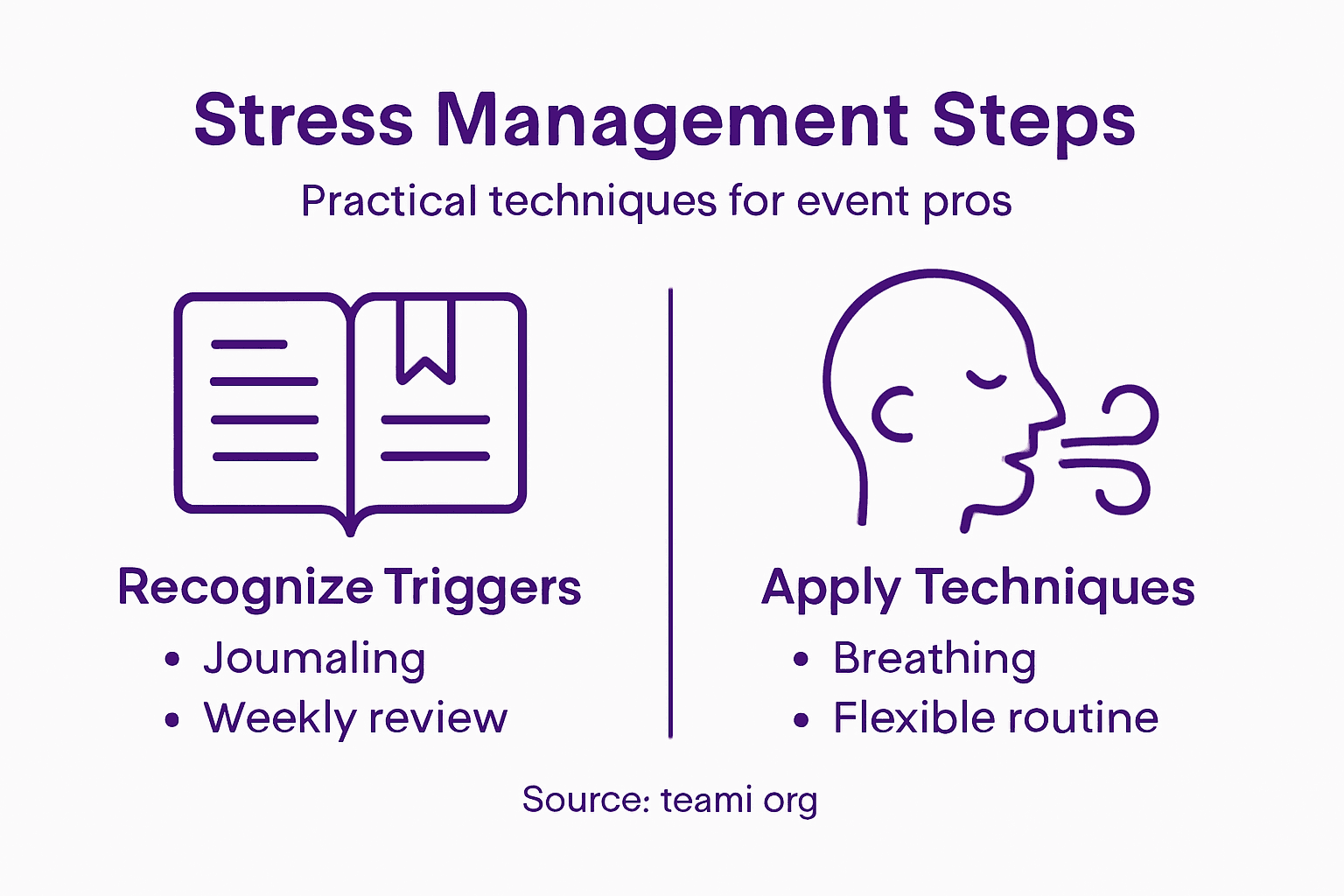
Professional insight: Use digital tracking apps or a dedicated journal to maintain a consistent and objective record of your stress management progress, allowing for data-driven strategy adjustments.
Elevate Your Event Career by Mastering Stress Management Techniques
Facing overwhelming workload pressures and tight time constraints can drain even the most passionate event professionals. This article sheds light on the critical need to identify personal stress triggers and establish a supportive work routine using proven relaxation techniques. These strategies target the core challenges you experience every day such as role uncertainty and balancing demanding schedules that impact your mental well-being.
If you are ready to transform this knowledge into action and build resilience while advancing your career, explore teami.org’s comprehensive certification programmes. With over 23 years of industry experience, our specialised training combines practical exposure with expert guidance to help you master stress management skills alongside event management fundamentals. Start today and gain access to hands-on projects, internships, and valuable industry placements through our partnership with DNA Entertainment Networks.
Take control of your professional growth and mental wellness now by connecting with us at teami.org. Empower your future with the confidence to handle high-pressure situations gracefully and emerge as a leader in the evolving events industry.
Frequently Asked Questions
How can I identify my personal stress triggers as an event professional?
Recognise your stress triggers by maintaining a stress journal. Document specific situations, emotional responses, and potential root causes to discern patterns that impact your mental well-being.
What are effective strategies for establishing a supportive work routine in event management?
Create a structured work routine by defining your working hours, prioritising tasks, and scheduling regular breaks. This routine should be flexible yet consistent, helping you maintain focus and energy throughout your workday.
What practical relaxation techniques can I apply to manage stress during events?
Incorporate deep breathing exercises, mindfulness meditation, and short physical movement breaks into your daily routine. Aim to practice these techniques for 10-15 minutes daily to help restore mental balance and reduce stress quickly.
How can I monitor my progress in managing stress effectively?
Use a weekly self-assessment log to record your stress levels, triggers, and the effectiveness of your current strategies. This will help identify patterns and areas for improvement, allowing you to refine your stress management techniques continuously.
What steps can I take to prevent burnout as an event professional?
Prevent burnout by setting clear work-life boundaries, prioritising self-care, and regularly assessing your stress levels. Consider scheduling downtime and engaging in activities that replenish your energy and well-being.
How often should I evaluate and adjust my stress management strategies?
Review your stress management strategies at least weekly to ensure they are effective and relevant to your current situation. This regular reflection allows for timely adjustments, enhancing your resilience and professional well-being.
Recommended
- Mindfulness for Professionals: Reducing Stress and Enhancing Focus – team I
- 7 Essential Work Life Balance Tips for Event Managers – team I
- The Essential Guide to Event Risk Assessment – team I
- Sports Event Management: Essential Skills, Jobs, and Certifications 2025 – team I
- Stress-Free Moving Checklist 2025: UK, International & Business Moves | Schott Removals
- Master Temporary Event Food Safety for Successful Catering – Probe IT