
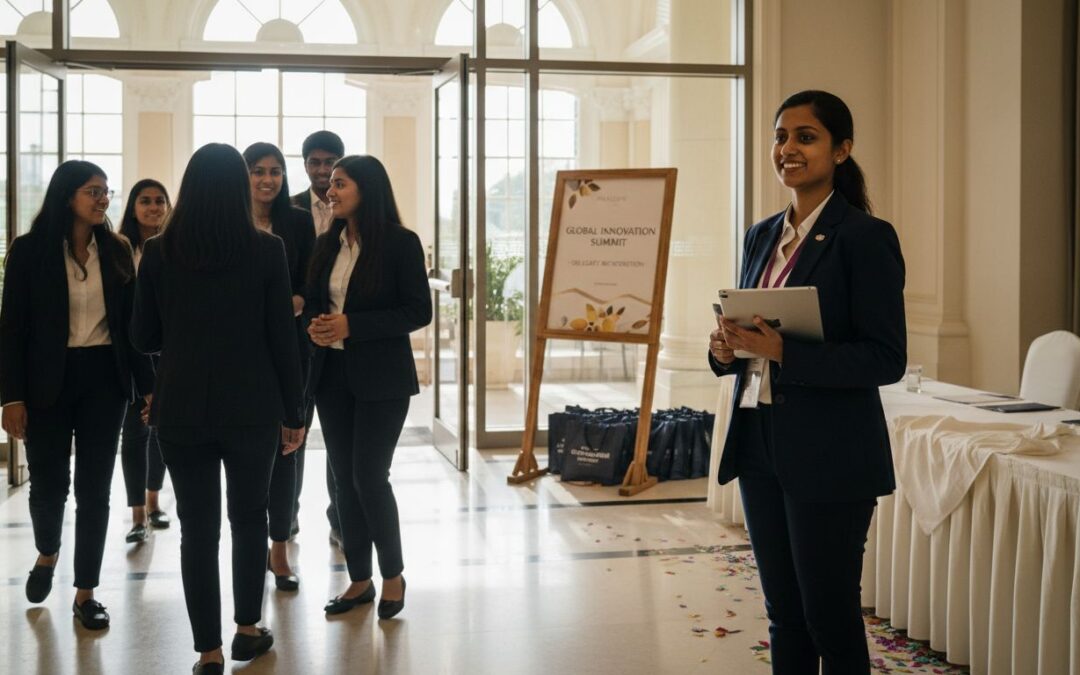
Every british event blends meticulous organization with genuine hospitality, turning ordinary gatherings into unforgettable experiences. With more than 80 percent of event managers highlighting guest satisfaction as their top priority, the hospitality element is impossible to ignore. Whether you manage conferences or private celebrations, understanding how hospitality shapes every moment can set your events apart and inspire lasting impressions for every guest.
Table of Contents
- Defining Hospitality In Event Management
- Roles Of Hospitality Within Events
- Types Of Hospitality Services Provided
- Essential Skills And Industry Standards
- Common Challenges And Solutions
Key Takeaways
| Point | Details |
|---|---|
| Holistic Hospitality | Effective hospitality in event management involves anticipating guest needs and creating emotional connections to elevate experiences beyond routine service. |
| Role Diversity | Event managers must navigate complex roles, including strategy creation and cross-cultural communication, to ensure every event is unique and engaging. |
| Essential Skills | Contemporary professionals must possess a blend of technical abilities, emotional intelligence, and strategic thinking to address both operational needs and guest expectations. |
| Navigating Challenges | Event professionals need to apply innovative solutions to overcome challenges, integrating sustainability and flexibility in their planning to enhance service delivery. |
Defining Hospitality in Event Management
Hospitality in event management represents a sophisticated blend of strategic planning, interpersonal skills, and customer-centric service designed to create extraordinary experiences. At its core, event management in the hospitality industry involves understanding client requirements while simultaneously coordinating complex operational logistics to deliver memorable moments.
Hospitality transcends mere service delivery in event contexts. It demands an intricate understanding of guest expectations, cultural nuances, and emotional engagement. Professional event managers must masterfully balance technical execution with genuine human connection, transforming routine gatherings into remarkable experiences that resonate deeply with attendees.
Key components of hospitality within event management include:
- Anticipating guest needs before they arise
- Creating personalised interaction frameworks
- Maintaining seamless operational efficiency
- Delivering exceptional sensory and emotional experiences
Indian event professionals particularly excel in this domain, leveraging cultural traditions of warmth and personalised service to elevate guest experiences. Whether managing corporate conferences, wedding celebrations, or cultural festivals, the underlying principle remains consistent: making every participant feel uniquely valued and genuinely welcomed.
Roles of Hospitality Within Events
Hospitality professionals serve as critical architects of event experiences, strategically managing multifaceted roles that extend far beyond traditional service delivery. Their responsibilities encompass creating immersive environments that not only meet logistical requirements but also craft meaningful emotional connections between participants and event objectives.
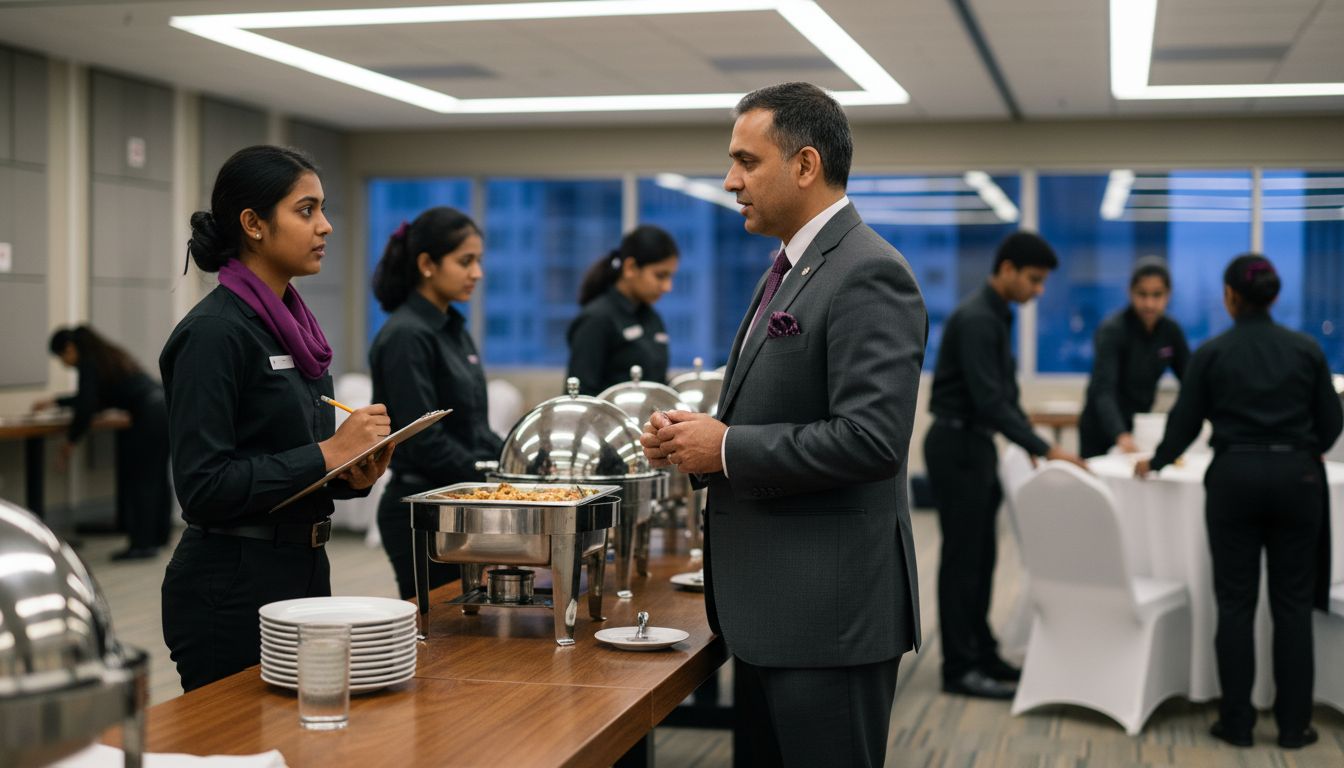
Event Management Roles within hospitality represent a complex ecosystem of specialised professionals. These include event managers who coordinate overall event strategy, sponsorship coordinators who secure strategic partnerships, VIP relations managers who ensure high-level guest satisfaction, and hospitality managers responsible for operational excellence. Each role contributes unique expertise to transform standard gatherings into extraordinary experiences.
In the Indian context, hospitality roles often incorporate culturally nuanced approaches that prioritise personalised interactions. Key responsibilities typically include:
- Designing seamless guest journey maps
- Creating culturally responsive engagement strategies
- Managing cross-cultural communication protocols
- Ensuring technical and emotional event requirements are consistently met
Moreover, contemporary hospitality professionals must navigate increasingly complex event landscapes. Sustainable event management strategies now require balancing conservation, social value, and financial considerations while maintaining exceptional guest experiences. This holistic approach transforms hospitality from a service function into a strategic organisational capability that directly influences event success and brand perception.
Types of Hospitality Services Provided
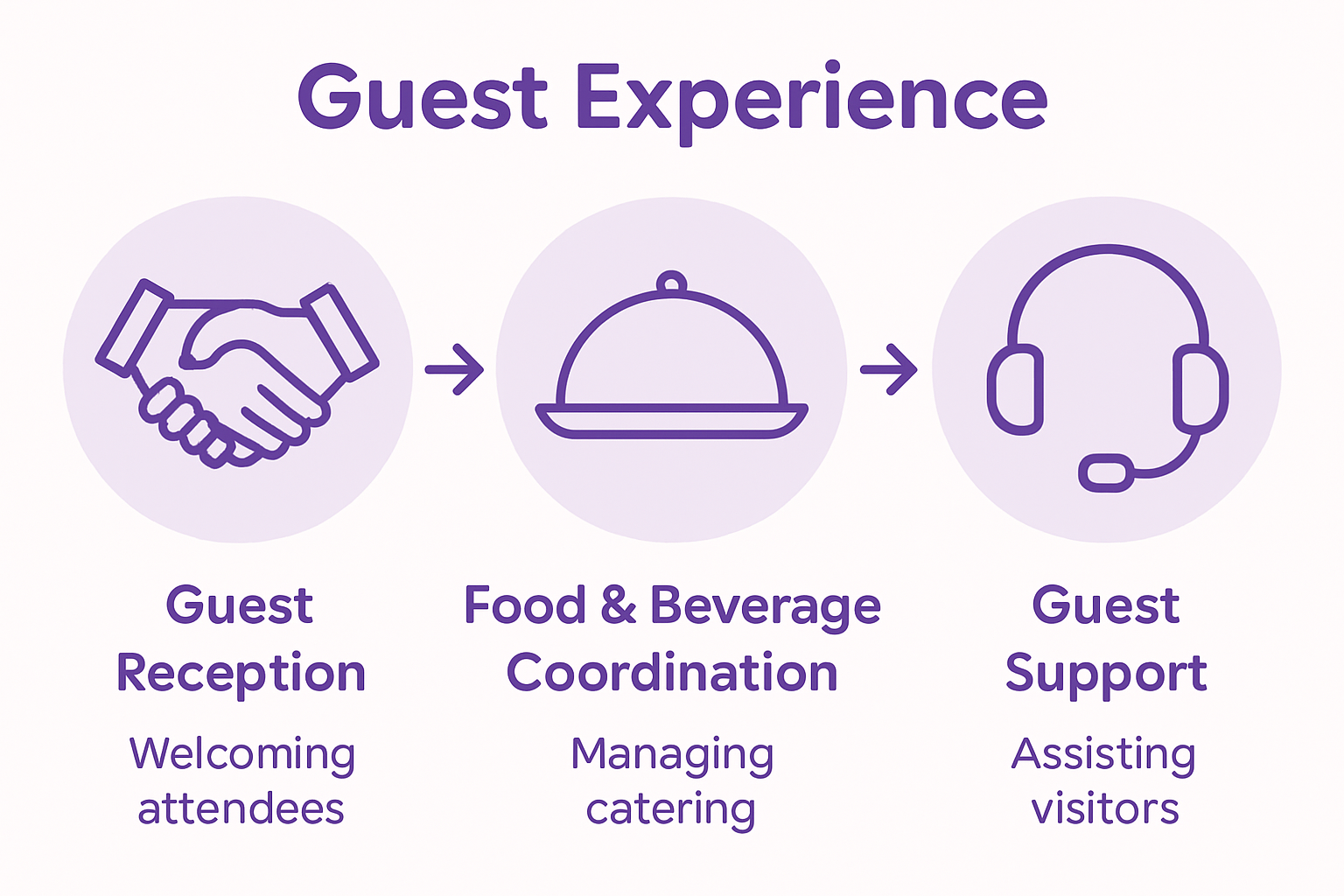
Comprehensive hospitality services in event management encompass a sophisticated array of offerings designed to create seamless and memorable experiences for event participants. These services extend far beyond basic logistical support, representing a holistic approach to meeting and exceeding guest expectations across multiple dimensions of event engagement.
Core Hospitality Services typically include:
- Venue selection and management
- Food and beverage coordination
- Accommodation arrangements
- Transportation logistics
- Audio-visual equipment provisioning
- Guest registration and welcome services
- Personalised attendee support
Indian event hospitality distinguishes itself through a unique blend of technical precision and cultural warmth. Professional service providers understand that each event represents an opportunity to create emotional connections, not merely to fulfil transactional requirements. This approach transforms standard service delivery into immersive experiences that reflect organisational values and cultural nuances.
Moreover, contemporary hospitality services increasingly incorporate technological innovations and sustainable practices. Event management roles now demand sophisticated skills that integrate digital solutions, data-driven personalisation, and environmentally conscious approaches. Whether managing corporate conferences, cultural festivals, or private celebrations, hospitality professionals must balance technical expertise with genuine human connection, ensuring each event becomes a memorable and meaningful experience.
Essential Skills and Industry Standards
Professional competencies in event hospitality represent a sophisticated blend of technical expertise, emotional intelligence, and strategic thinking. Event management professionals must cultivate a comprehensive skill set that extends beyond traditional service delivery, encompassing adaptability, problem-solving, and the ability to create meaningful experiences that align with organisational objectives.
Critical Skills for contemporary hospitality professionals include:
- Advanced communication capabilities
- Crisis management techniques
- Cross-cultural interaction strategies
- Technological proficiency
- Emotional resilience
- Strategic brand representation
- Data-driven decision-making
In the Indian event management landscape, these skills are particularly nuanced. Professionals must navigate complex cultural dynamics while maintaining international service standards. This requires a delicate balance between technical precision and cultural sensitivity, ensuring that each event becomes a memorable narrative rather than a mere logistical exercise.
Moreover, establishing clear service protocols remains crucial for maintaining industry excellence. Training programmes now emphasise comprehensive skill development that integrates technological innovation, emotional intelligence, and strategic thinking. The modern hospitality professional is no longer just a service provider, but a strategic architect of experiences capable of transforming standard events into extraordinary moments of connection and engagement.
Common Challenges and Solutions
Event hospitality professionals routinely navigate complex challenges that require exceptional adaptability and strategic problem-solving skills. These challenges span operational, technological, and interpersonal dimensions, demanding a holistic approach to event management that balances technical precision with emotional intelligence.
Primary Challenges in event hospitality include:
- Unpredictable weather conditions
- Last-minute client modifications
- Complex logistical coordination
- Cultural communication barriers
- Technology integration complexities
- Budget constraints
- Rapid response to unexpected scenarios
In the Indian context, event management professionals must develop sophisticated strategies that blend local cultural nuances with global service standards. This requires a dynamic approach that anticipates potential disruptions and creates flexible contingency frameworks to maintain service excellence under varying circumstances.
Sustainable event management strategies are increasingly crucial in addressing contemporary challenges. Professionals must now balance operational requirements with environmental considerations, financial sustainability, and client expectations. This multifaceted approach transforms potential obstacles into opportunities for innovative problem-solving, ensuring that each event becomes a showcase of adaptability, creativity, and professional excellence.
Elevate Your Event Hospitality Skills for Unforgettable Guest Experiences
The article emphasises the vital challenges in hospitality within event management such as anticipating guest needs, managing complex logistics, and balancing technical precision with emotional connection. These key pain points reveal the need for advanced skills in communication, cultural sensitivity, and sustainable event strategies to craft truly memorable and personalised experiences. If you are passionate about transforming routine events into extraordinary moments that resonate with every attendee, developing these competencies is essential.
At teami.org, we offer specialised education and training tailored to equip you with exactly these capabilities. With 23 years of industry expertise and collaboration with DNA Entertainment Networks, our certification programmes feature hands-on projects and internships across corporate, social, sports, and wedding event specialisations. Why wait to overcome common hospitality challenges or miss the opportunity to deliver exceptional guest experiences Enhance your career prospects today by exploring our immersive courses here and start mastering the art of event hospitality. Your journey to becoming a strategic architect of unforgettable events begins now at teami.org.
Frequently Asked Questions
What is the role of hospitality in event management?
Hospitality in event management involves creating extraordinary experiences by understanding client needs, coordinating logistics, and delivering personalised service that exceeds guest expectations.
What are the key skills required in event hospitality professionals?
Essential skills include advanced communication, crisis management, cross-cultural interaction, emotional resilience, and technological proficiency to create meaningful experiences aligned with organisational goals.
How do hospitality services enhance the guest experience at events?
Hospitality services, such as venue selection, food and beverage coordination, and guest support, focus on creating seamless and memorable experiences, ensuring participants feel valued and engaged throughout the event.
What challenges do hospitality professionals face in event management?
Common challenges include unpredictable weather, last-minute changes, complex logistics, and budget constraints. Professionals must develop flexible strategies to navigate these obstacles while maintaining service excellence.