
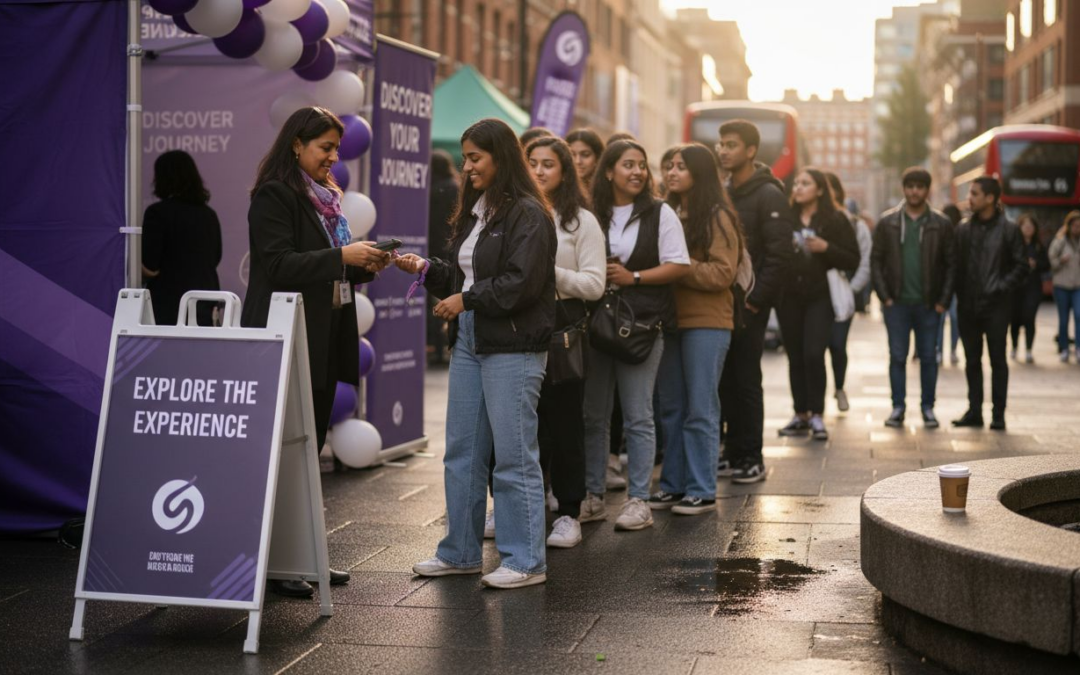
Every brand activation in Bangalore is an opportunity to shape how audiences feel, think, and remember. For aspiring event managers and recent graduates, mastering immersive, branded experiences is essential to stand out in a competitive industry. Experiential marketing goes beyond simple promotion by integrating emotions, logic, and interactive elements that create lasting consumer connections. This introduction explores the principles, formats, and impact of experiential marketing, providing practical insights for those preparing to lead unforgettable events.
Table of Contents
- Defining Experiential Marketing And Its Principles
- Major Types And Delivery Formats Explained
- How Experiential Marketing Creates Brand Impact
- Essential Skills And Success Factors For Event Managers
- Common Pitfalls And How To Avoid Them
Key Takeaways
| Point | Details |
|---|---|
| Experiential Marketing Engages Audiences | It creates immersive environments that encourage active participation rather than passive observation, enhancing brand connection. |
| Emotional Impact Drives Loyalty | Engaging multiple senses forms deeper memories, fostering customer loyalty that traditional advertising cannot match. |
| Strategic Planning is Essential | Understanding your audience and managing logistics are critical to achieving successful activations and long-term brand relationships. |
| Post-Event Engagement Maximises ROI | Following up with attendees promptly enhances the customer journey, improves retention rates, and yields higher returns on investment. |
Defining Experiential Marketing and Its Principles
Experiential marketing is fundamentally different from traditional advertising because it doesn’t just show consumers what a product does—it lets them live it. Rather than passively receiving a message through a billboard or social media ad, experiential marketing creates immersive environments where audiences actively participate and engage with a brand. This shift from observation to involvement is what makes the approach so powerful. Immersive, branded experiences form the core of this strategy, designed to influence consumer behaviour by creating memorable moments that stick long after the event ends. What distinguishes experiential marketing is its reliance on engagement through multiple layers: experiential immersion (how deeply involved the participant becomes), brand immersion (how well the brand message integrates into the experience), and conceptual immersion (the alignment between the experience and the brand’s core values). Think about attending a festival in Bangalore sponsored by a soft drink brand, where you’re not just watching performances but participating in interactive games, tasting limited-edition flavours, and creating social media content. That’s experiential marketing in action.
The underlying principles of experiential marketing centre on creating value through sensory engagement and emotional connection. According to leading research, the approach integrates emotions, logic, and thought to create engaging brand experiences, which means successful activations appeal to what people feel, think, and do simultaneously. When brands engage multiple senses—sight, sound, touch, taste, smell—they create stronger neural pathways and lasting memories. The difference between an ordinary experience and an extraordinary one lies in intentionality and design. An ordinary experience might be walking into a retail store; an extraordinary one involves an interactive installation where customers can customise products in real time whilst engaging with brand ambassadors. Managing experience touchpoints strategically becomes crucial here. Every interaction point—from the moment someone arrives at an event to when they leave—shapes their perception of the brand. For aspiring event managers in Bangalore, understanding these touchpoints means recognising that logistics, décor, staff behaviour, music, lighting, and even the order of activities all contribute to the overall brand narrative. You’re not simply executing an event; you’re architecting an emotional journey.
The success of experiential marketing depends heavily on two critical factors: participant motivation and ability to become fully immersed. Some audiences come ready to engage deeply, whilst others require clever design to pull them in. This is where your role as an event manager becomes strategic. If you’re designing a brand activation for a tech company launching a new product, you need to understand who your audience is, what barriers prevent their participation, and how to remove those obstacles. Is it fear of looking foolish trying new technology? Create a space where experimentation is celebrated, not judged. Is it lack of awareness about the brand? Build in educational moments that feel organic, not preachy. The emotional payoff should be so compelling that participants become advocates. They’ll talk about the experience for weeks afterwards, share content on social media, and recommend the brand to friends. This word-of-mouth amplification is why experiential marketing delivers exceptional ROI compared to traditional campaigns. When you understand that every brand activation serves as a touchpoint in a larger customer journey, you start seeing events not as isolated projects but as strategic investments in long-term loyalty and brand affinity. This perspective transformation is essential for anyone serious about building a career in event management.
Major Types and Delivery Formats Explained
Experiential marketing isn’t a one-size-fits-all approach. Brands deploy different types of experiences depending on their objectives, audience, and resources. Sensory, emotional, cognitive, behavioural, and relational experiences represent the core categories that marketers draw upon when designing activations. A sensory experience engages sight, sound, touch, taste, or smell to create immediate, visceral connections with a brand. Emotional experiences tap into feelings and create memorable moments that resonate on a personal level. Cognitive experiences challenge audiences to think differently about a brand or product category. Behavioural experiences encourage participation and action, transforming passive observers into active contributors. Relational experiences build community and foster connections between consumers and brands, or between consumers themselves. In Bangalore’s competitive events scene, successful activations often blend multiple experience types. Consider a beauty brand launching a new skincare line through a pop-up shop: visitors experience the sensory pleasure of product textures and fragrances, the emotional satisfaction of discovering solutions for their skin concerns, the cognitive benefit of learning about ingredient science, the behavioural engagement of customising their own product blends, and the relational joy of sharing recommendations with friends. This layered approach creates depth and ensures broader appeal across diverse audience segments.
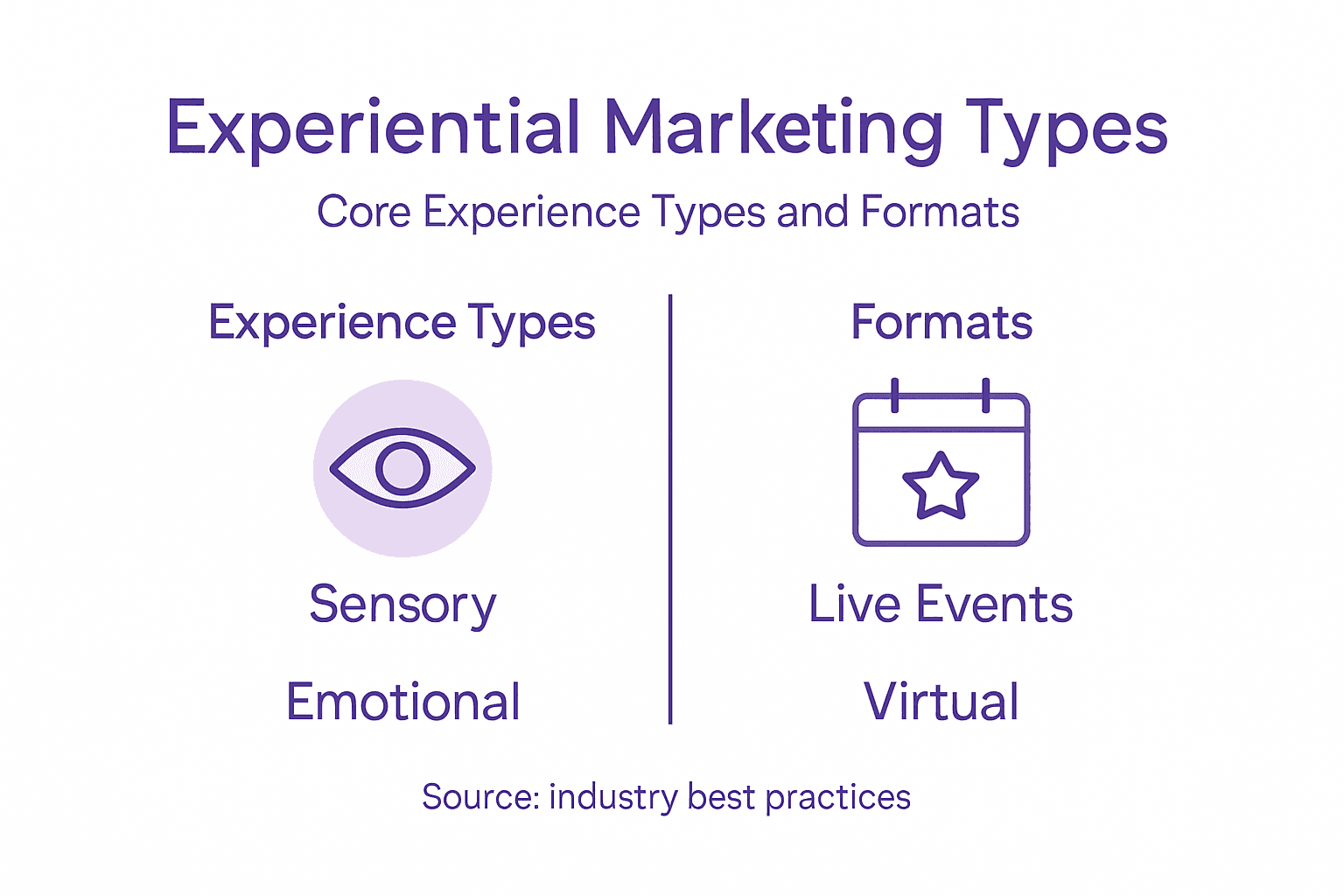
The following table summarises the five major types of experiential marketing experiences and their unique contributions:
| Experience Type | Main Focus | Typical Brand Goal | Example Activation |
|---|---|---|---|
| Sensory | Engage senses | Build memorable impressions | Tasting stations at pop-up events |
| Emotional | Elicit feelings | Strengthen loyalty | Charity-linked art installations |
| Cognitive | Encourage thought | Educate consumers | Interactive product demos |
| Behavioural | Promote action | Drive participation | Customisation booths |
| Relational | Build connections | Foster community | Group challenges or contests |
The delivery formats for experiential marketing have expanded dramatically in recent years, moving beyond traditional in-person events. Physical activations remain powerful—pop-up shops in shopping districts, brand activation booths at festivals, and immersive installations in high-traffic locations all create tangible brand presence. However, digital activations, interactive installations, and hybrid combinations now offer brands flexibility to reach audiences wherever they are. Digital formats include virtual reality experiences, augmented reality filters on social platforms, and interactive websites that let consumers engage with brands online. Immersive storytelling uses narrative techniques to transport audiences into branded worlds, whether through themed environments or sequential experiences that unfold over time. Interactive campaigns encourage user-generated content, turning consumers into content creators and amplifying reach through social sharing. Hybrid models blend these approaches strategically. A tech company might launch a product with a physical experiential event in Bangalore’s central business districts, simultaneously stream the experience live for remote audiences, and follow up with an AR app that extends engagement weeks beyond the initial event. For aspiring event managers, understanding these format distinctions is crucial because each requires different skill sets, technology, partnerships, and budgeting approaches. Managing a physical pop-up requires venue logistics, crowd flow management, and on-site staff coordination. A hybrid event demands technical expertise, streaming production knowledge, and omnichannel audience engagement strategies.
When selecting delivery formats, consider your audience’s behaviour and preferences. Younger demographics often respond well to digital and interactive formats, whilst established professional audiences may prefer in-person activations where they can build relationships directly. The most effective campaigns often use an integrated approach. A automotive brand in Bangalore might create a hybrid activation: a physical test drive experience at a premium shopping mall where attendees can experience vehicle features firsthand, a live Instagram stream with interactive polls and Q&A sessions, and a follow-up virtual showroom accessible for three months, allowing those who couldn’t attend the event to explore the car in detail from home. This integration maximises reach, accommodates different participation preferences, and extends campaign longevity. The key is strategic alignment—each format serves a specific purpose within the broader campaign objective. Physical experiences build emotional connections and create sharable moments. Digital experiences extend reach and enable accessibility. Interactive elements drive engagement and generate data about consumer preferences. When you understand this ecosystem, you stop thinking about events as isolated activations and start viewing them as nodes in a larger experiential network.
Here is a tool for event managers to quickly compare physical, digital, and hybrid experiential marketing formats:
| Format Type | Strengths | Typical Challenges | Ideal Use Case |
|---|---|---|---|
| Physical | Deep emotional connection | Limited reach, higher cost | Product launches or VIP events |
| Digital | Broad audience, data capture | Less sensory immersion | Mass engagement, limited access |
| Hybrid | Maximal reach and flexibility | Complex logistics, higher setup | Multi-city launches, live streams |
Pro tip: When designing your first experiential campaign, map out which audience segments will engage through which formats, then ensure each format delivers consistent brand messaging whilst playing to its strengths—in-person events for relationship building, digital for reach, interactive elements for data capture.
How Experiential Marketing Creates Brand Impact
Brand impact from experiential marketing operates on a fundamentally different level than traditional advertising. When someone attends a brand activation event, they’re not passively consuming a message—they’re actively participating in creating memories. This participation transforms how they perceive and relate to the brand. Memorable and emotionally engaging experiences enhance customer satisfaction, loyalty, and ultimately financial performance. The mechanism is straightforward: experiences trigger emotional responses, emotional responses create stronger memory encoding, and stronger memories lead to increased brand recall and preference. In Bangalore’s competitive market, brands competing solely on product features or price struggle to differentiate. Those investing in experiential marketing build emotional moats around their brands that competitors cannot easily replicate. Consider a premium coffee brand that hosts monthly tasting events where customers learn about bean origins, participate in brewing demonstrations, and connect with other enthusiasts. Attendees leave not just with coffee knowledge but with a sense of belonging to a community. That emotional connection translates to loyalty—they’ll choose that brand over competitors, recommend it to friends, and remain customers for years. This is why experiential marketing delivers measurable returns on investment that traditional campaigns often cannot match.
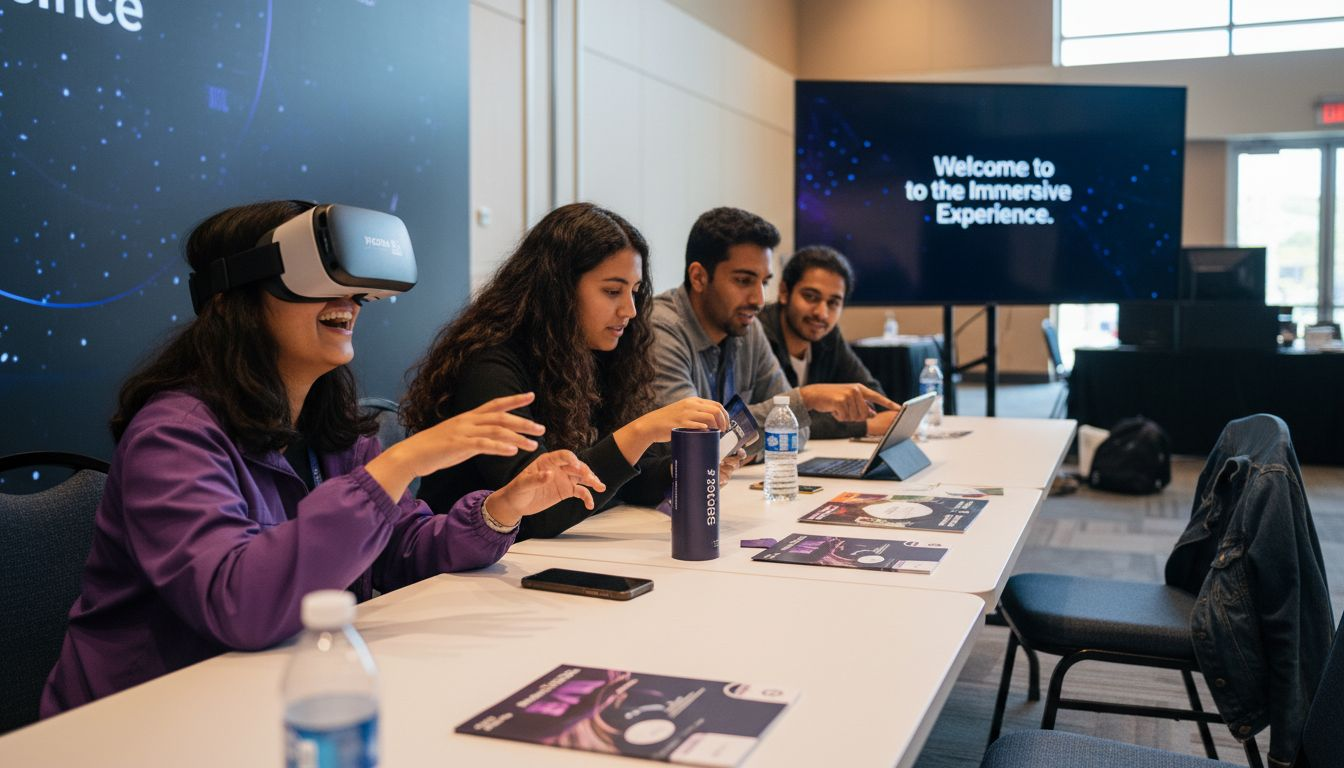
The depth of brand impact depends on how effectively brands engage across multiple dimensions of human experience. Sensory, emotional, cognitive, and behavioural engagement create layered connections that resonate long after the event concludes. Sensory engagement—the sights, sounds, tastes, textures, and scents of an experience—creates immediate, visceral memories. Emotional engagement transforms those sensory inputs into feelings of joy, excitement, or inspiration. Cognitive engagement ensures audiences understand brand values and product benefits. Behavioural engagement gets people doing things—sharing content, trying products, recommending brands. The most impactful activations orchestrate all four dimensions simultaneously. Take a technology launch event in Bangalore: visitors experience cutting-edge displays (sensory), feel excitement about innovation (emotional), learn about technical specifications (cognitive), and create content using the new technology to share with their networks (behavioural). Each dimension reinforces the others, creating exponential impact rather than additive impact. This orchestration requires strategic planning from event managers who understand both the brand’s objectives and audience psychology.
The sustainability of brand impact increasingly depends on how brands leverage technology and data to personalise experiences and extend their reach beyond the physical event. Active participation and brand storytellinguYrHvPQ9M7R3OYXlNA7xA==9.pdf) enhanced by technology amplify impact and drive sustainable growth. Modern experiential activations capture attendee data, personalise follow-up communications, and create digital extensions that keep engagement alive. A fashion brand might host a physical fitting room experience where customers try virtual collections using AR technology, then receive personalised recommendations via email based on their selections and preferences. The impact multiplies: the in-person experience creates emotional connection, data capture enables personalisation, and ongoing digital touchpoints extend the relationship. For aspiring event managers, this means understanding that your role extends beyond managing the event day itself. You’re architecting an entire customer journey where the live activation is the centrepiece but not the conclusion. The brands winning in Bangalore’s market are those treating experiential marketing as a holistic ecosystem—physical activation, digital amplification, data analytics, and ongoing engagement working in concert. This approach transforms events from one-off marketing tactics into strategic assets that build lasting competitive advantage and customer lifetime value.
Pro tip: Always build measurement into your experiential marketing plan from the beginning by defining what success looks like beyond attendance numbers—track emotional engagement through surveys, behavioural impact through social media mentions and product conversions, and long-term loyalty through repeat attendance and customer retention rates.
Essential Skills and Success Factors for Event Managers
Succeeding in experiential marketing means mastering a diverse skill set that bridges creative vision with operational precision. Event managers juggle competing demands daily: keeping budgets on track whilst delivering experiences that wow audiences, managing vendor relationships whilst maintaining client expectations, coordinating logistics whilst staying adaptable when things inevitably change. Effective communication, organisation, time management, budgeting, negotiation, and leadership form the foundation of success in this field. Communication skills determine whether your vision translates clearly to vendors, sponsors, and team members. Organisation skills separate the chaotic from the seamless—when 500 guests arrive at a Bangalore venue and something goes wrong, organised managers have contingency plans ready. Time management prevents the 3 AM panic when you realise critical tasks weren’t delegated. Budgeting skills ensure you deliver premium experiences without overspending, which directly impacts profitability and client satisfaction. Negotiation abilities help you secure better rates from vendors, freeing budget for elements that create impact. Leadership ensures your team executes with enthusiasm rather than obligation. These aren’t optional skills—they’re the difference between events that barely function and events that become legendary.
Beyond these foundational competencies, modern event managers need to balance soft skills like communication, creativity, and adaptability with hard skills including budgeting, project management, and technical knowledge. The soft skills are your human advantage. Creativity transforms a standard product launch into an unforgettable experience that attendees discuss for months. Adaptability lets you navigate the chaos of live events—when the monsoon disrupts your outdoor activation in Bangalore, creative problem-solving gets you pivoting to a hybrid format without losing impact. Leadership and emotional intelligence help you manage team dynamics under pressure. The hard skills are your operational backbone. Project management methodologies help you track hundreds of moving pieces. Technical proficiency with event management software, live streaming platforms, and data analytics tools has become non-negotiable. Understanding budgeting isn’t just about crunching numbers; it’s about understanding financial trade-offs and maximising ROI. Client relationship management separates one-time gigs from repeat bookings and long-term partnerships. When you understand what matters to clients beyond the event itself—their business objectives, budget constraints, risk tolerances—you position yourself as a strategic partner rather than a vendor. This distinction is crucial for career advancement in Bangalore’s competitive event management landscape.
Success factors extend beyond individual skills to encompassing how you apply those skills under real-world pressure. The ability to manage client relationships, negotiate effectively, cultivate teamwork, and apply problem-solving techniques separates competent managers from exceptional ones. Client relationship management means understanding their needs before they articulate them, managing expectations proactively, and delivering consistent excellence that builds trust. Negotiation extends beyond vendor rates to encompassing creative compromises that satisfy all stakeholders. Teamwork multiplies your individual capability—strong event managers attract talented collaborators and inspire ownership. Problem-solving under pressure is where careers are made. When the audiovisual system fails fifteen minutes before the keynote at your corporate event, your problem-solving approach determines whether it becomes a disaster or a seamless pivot. Most importantly, successful event managers cultivate continuous learning. The industry evolves rapidly: new technologies emerge, audience expectations shift, and competitive dynamics change. Those who dedicate themselves to mastering both the current state and emerging trends position themselves for sustained success. In Bangalore’s booming event industry, the managers winning the best projects are those who treat experiential marketing as a strategic discipline requiring constant skill development rather than a tactical execution game.
Pro tip: Build a personal skill inventory documenting your competencies in communication, creativity, technical tools, and problem-solving, then identify one gap quarterly to address through training, mentorship, or hands-on projects—this intentional development approach accelerates career progression faster than waiting for opportunities to come to you.
Common Pitfalls and How to Avoid Them
Experiential marketing campaigns fail more often from preventable mistakes than from lack of creativity or budget. The most damaging pitfall is launching activations without truly understanding your audience. You might design a spectacular interactive installation, but if it doesn’t resonate with the actual priorities and preferences of attendees, it becomes an expensive exercise in self-expression rather than brand impact. Misaligning campaigns with audience priorities and failing to set clear goals are among the most common reasons campaigns underperform. This happens when marketing teams become enamoured with a creative idea without validating whether their target audience actually cares about it. An event manager in Bangalore might design an immersive tech experience that thrills the team internally, but if the actual attendees are older professionals who value relationship building over gadgetry, the activation misses its mark entirely. The solution is straightforward but often skipped: conduct thorough audience research before planning begins. Understand their demographics, psychographics, pain points, aspirations, and media consumption habits. What problems is your brand solving for them? What outcomes matter most? When audience research drives creative direction rather than the reverse, campaigns naturally align with what resonates.
Another critical failure point stems from vague objectives and poor execution planning. Unclear objectives, lack of real-time data tracking, and inconsistent consumer experiences across touchpoints undermine even well-intentioned activations. When goals aren’t explicitly defined, you can’t measure success and you can’t course-correct during execution. Some campaigns aim for “brand awareness” without defining what that means: increased social media mentions by X percent? Improved brand recall scores in post-event surveys? Foot traffic to retail locations? Vague goals lead to scattered execution and disappointing results. Define SMART objectives aligned with actual business outcomes from the outset. If your objective is driving product trial, structure the activation around product sampling, capture data on trial rates, and measure whether those trials convert to purchases. If your objective is building community, design touchpoints that facilitate peer interaction and measure engagement depth. Real-time data collection matters because it allows you to optimise during the event. If you notice certain zones receiving minimal traffic, pivot activations. If certain messages resonate more strongly than others, emphasise those. Event managers who bring laptops tracking live metrics outperform those managing blind, simply hoping for the best.
The third major pitfall class involves neglecting logistics and post-event follow-up. Logistical failures range from insufficient staffing that creates bottlenecks, to inadequate contingency planning for weather disruptions, to poor crowd flow management that frustrates attendees. In Bangalore’s climate, outdoor activations require robust weather contingencies. The most professional event managers build detailed risk assessments and mitigation plans before launch. What happens if the power fails? Where’s your backup generator? What if attendance doubles expectations? Where’s the extra inventory? What if key vendors don’t show up? Having answers prepared prevents panic and maintains event quality. Equally problematic is poor post-event follow-up. Many teams celebrate event completion and move on, missing the critical window for engagement. Inefficient manual processes and poor post-event follow-up limit campaign effectiveness and ROI. The attendees who experienced your activation are now primed for deeper engagement, yet many campaigns go silent. Implement integrated digital tools that capture attendee data during the event and trigger personalised follow-up communications within 24-48 hours. Send personalised email sequences, create exclusive offers for attendees, invite them to exclusive communities, and track their subsequent behaviour. The event itself isn’t the campaign endpoint—it’s the beginning of a longer customer journey. Campaigns that invest as much energy in post-event engagement as pre-event promotion see dramatically higher conversion rates and ROI. As an aspiring event manager, recognising these three pitfall clusters positions you to deliver campaigns that actually move business metrics rather than simply executing impressive-looking events.
Pro tip: Create a pre-launch audit checklist covering audience alignment verification, objective clarity, logistical contingencies, technology integration, and post-event engagement plans—use this checklist three weeks before every event launch to catch and remedy issues before they become costly problems.
Elevate Your Career with Expert Experiential Marketing Training
Experiential marketing demands a unique blend of creativity, strategic thinking and flawless execution to craft immersive brand experiences that truly resonate. If you find yourself challenged by audience engagement, designing multi-sensory activations or integrating digital and physical event formats, specialised education can transform these obstacles into your greatest strengths. Understanding concepts like sensory immersion, behavioural engagement and hybrid delivery formats is essential for success in Bangalore’s competitive event management scene.
Unlock your potential by enrolling in the comprehensive certification programmes offered by team.i.org. Backed by 23 years of industry expertise and strong partnerships with DNA Entertainment Networks, our courses focus on practical skills and industry-relevant knowledge including digital amplification strategies and data-driven campaign optimisation. Learn how to avoid common pitfalls, master critical soft and hard skills, and deliver exceptional ROI for every campaign. Take the leap today—explore detailed course descriptions and step confidently into a rewarding career in experiential marketing with team.i.org. Your journey to becoming a strategic event manager starts now.
Frequently Asked Questions
What is experiential marketing?
Experiential marketing is an immersive strategy that engages consumers by allowing them to actively participate in a brand experience, rather than just passively receiving a marketing message. It often involves interactive installations and events that create memorable moments.
Why does experiential marketing matter for brands?
Experiential marketing enhances brand recall and loyalty by creating emotional connections with consumers. It transforms how individuals perceive a brand, leading to increased customer satisfaction and advocacy through memorable and engaging experiences.
What are the main types of experiences in experiential marketing?
The core types of experiences include sensory, emotional, cognitive, behavioural, and relational experiences. Each type focuses on different aspects of consumer engagement and serves specific brand goals, such as building community or driving participation.
How can event managers ensure successful experiential marketing activations?
Event managers can ensure success by understanding the target audience, setting clear objectives, managing logistics meticulously, and engaging audiences across multiple touchpoints. Continuous engagement and effective follow-up can further enhance the impact of the activation.