
Trends in event education are defined by one clear shift: learning that stays in the classroom is no longer enough. The event management profession, formally recognised through vocational pathways like the UK’s ATHE Level 4 to 7 diplomas, now demands that education mirror the speed, scale, and complexity of real productions. Whether you are running a 500-person corporate summit in Bengaluru or coordinating a multi-city college festival circuit, the skills you need in 2026 are built through practice, technology, and structured peer learning. Not through passive note-taking.
1. Technology trends transforming event education
The biggest shift in how event professionals learn is happening at the intersection of AI, data, and personalised learning design. Only 11% of planners currently offer AI-driven session summarisation, despite 47% of attendees actively wanting it. That gap is not a minor oversight. It signals a systemic failure to use available tools that directly improve learning retention.
Wearable technology and smart badges are moving from novelty to necessity in immersive training environments. When used in live event simulations, they track participant movement, engagement patterns, and real-time feedback. Integrated platforms that combine CRM systems with learning management tools allow educators to adjust course content mid-programme based on actual learner behaviour, not assumptions.
- AI session tools: Summarisation, tagging, and personalised content delivery based on learner history
- Smart wearables: Engagement tracking during live simulations and on-ground training
- Integrated LMS and CRM platforms: Real-time feedback loops that let educators course-correct instantly
- Data-driven personalisation: Learning journeys built around individual skill gaps, not generic syllabi
Pro Tip: If you are designing a training programme for event professionals, build in one AI-assisted debrief session per module. Learners who receive structured post-session summaries retain significantly more than those who rely on their own notes.
The caution here is real. Experts warn against superficial technology use in educational sessions, a practice sometimes called “gridwashing,” where tech is added for optics rather than learning value. Technology must deliver immediate, tangible benefit. If it does not, it damages your credibility as an educator faster than any content gap would.
2. The pivot from passive learning to hands-on application
No shade to chalkboards, but the era of sitting through three-hour lectures on event logistics is over. The future of event education lies in moving away from passive content consumption towards learning designed explicitly for practical application. This is not a preference. It is what the industry now requires.
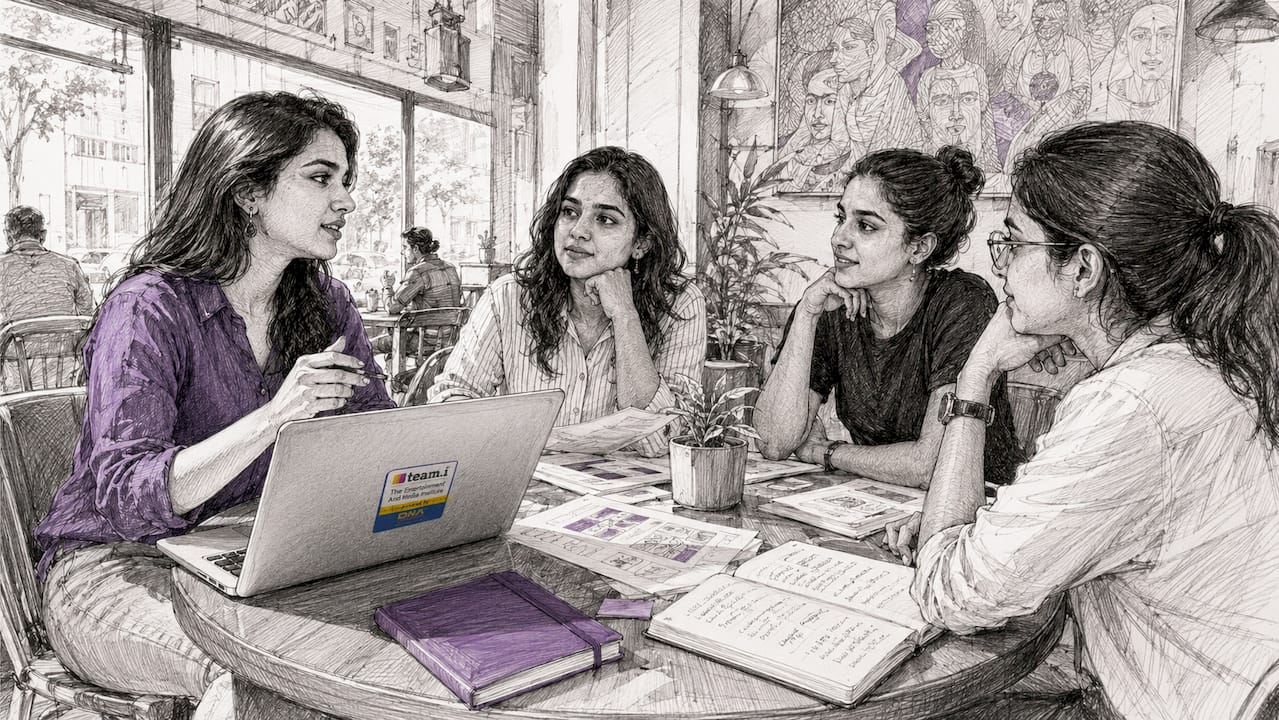
Cohort-based training programmes with real-world projects and direct feedback provide the most effective bridge over the event industry skills gap. Think about what this looks like in practice: a group of twelve students in Bangalore, tasked with producing a 200-person corporate product launch from brief to breakdown. Every decision, from vendor negotiation to showflow design, is made under real pressure and reviewed by working professionals.
“Successful education design favours spontaneous, unscripted moments over highly produced keynotes, fostering trust and engagement.” — PCMA, 2026
Workshops, roundtables, and structured peer networking sessions are not add-ons. They are the curriculum. In the Indian context, where events like Sunburn, NH7 Weekender, and large-scale destination weddings in Rajasthan operate at a complexity level that no textbook can replicate, the only way to prepare professionals is to put them inside the controlled chaos and teach them to think on their feet.
Real-world project portfolios are now the standard proof of competence for hiring managers at DNA Entertainment Networks, Wizcraft, and Percept Live. If your education programme does not produce a portfolio, it is not producing job-ready professionals.
3. Global and Indian market trends reshaping curricula
The global event management trends reshaping curricula in 2026 are not abstract. They are showing up in hiring briefs, client RFPs, and venue contracts right now. Sustainability influences 62% of venue decisions in 2026, with 78% of events mandating plant-based menu options. Any event professional who cannot speak fluently about sustainable event design is already behind.
| Curriculum trend | Why it matters in India | Example application |
|---|---|---|
| Sustainable event design | Clients in Mumbai and Delhi now mandate green credentials | Waste management plans for large weddings |
| AI and data literacy | Planners using data tools close briefs faster | Audience segmentation for college festivals |
| Hybrid event production | Post-pandemic client expectation is now standard | Corporate AGMs with live and virtual audiences |
| Accessibility and inclusivity | Regulatory and reputational pressure growing | Venue audits for mobility access |
| Shorter, higher-frequency formats | Events now average 3.5 days, down from 4.2 | Micro-incentive programmes for corporate clients |
The rise of regulated vocational diplomas, including the ATHE Level 4 to 7 framework in England, signals a global push towards structured, outcome-based event education. Indian institutions are watching this closely. The industry-ready curriculum question is no longer about what subjects to include. It is about which competencies graduates can demonstrate on day one.
Pro Tip: When reviewing any event management programme, ask specifically how sustainability and hybrid production are assessed. If the answer is “we cover it in a module,” that is not enough. Look for programmes where these are embedded in live project briefs.
4. Skills and certifications that matter in 2026
61% of event businesses report skills shortages, and the gap is not in enthusiasm. It is in applied competence. Employers are not struggling to find people who want to work in events. They are struggling to find people who can manage a vendor crisis at 11 PM during a Delhi wedding without calling their trainer.
The certifications and skills that carry real weight in 2026 fall into four clear categories:
- AI literacy and tool proficiency: Understanding how to use AI for session design, logistics planning, and post-event analysis. Not just knowing it exists.
- Sustainable event design: Demonstrated ability to plan and execute events that meet client sustainability briefs, including carbon tracking and waste reduction.
- Data-driven decision-making: Reading audience data, adjusting programmes in real time, and presenting ROI to clients using measurable outcomes rather than attendance figures alone.
- Hybrid production skills: Technical and creative competence in running simultaneous live and virtual event experiences, a standard expectation for corporate clients in Hyderabad and Mumbai.
Micro-credentials and short-cycle certifications are growing in relevance because they allow working professionals to upskill without stepping away from their careers. The AI’s role in event management is not about replacement. It is about amplification. Professionals who combine human judgement with AI-assisted tools will consistently outperform those who rely on either alone.
Keeping up with event industry trends is no longer optional professional development. It is the baseline requirement for staying employable in India’s rapidly scaling event sector.
What Teami has learnt about teaching events the right way
After 24 years of training event professionals in India, the clearest lesson is this: the students who struggle are not the ones who lack talent. They are the ones whose education never put them in a room where something could go wrong.
The event management learning trends we track at Teami consistently point to one truth. Technology is a tool, not a teacher. You can give a student every AI platform, every data dashboard, and every hybrid production kit available. If they have never negotiated a vendor contract under pressure, or managed a crowd flow crisis at a Bengaluru concert, the tools are useless. The human judgement has to come first.
What we have found works is building education around real stakes. Not simulated stakes. Real ones. When a student at Teami works on a live production with DNA Entertainment Networks, the feedback they receive is not from a rubric. It comes from a production manager who needs the job done correctly. That is the standard the industry holds. Education has to hold it too.
The emerging trends in event learning that excite us most are cohort-based models and organic networking built into the programme structure. Structured networking is critical, with 87% of organisers considering it essential to event success. The same principle applies to education. When learners build real professional relationships during their training, they graduate with a network, not just a certificate.
— Teami
Ready to train for the events industry of 2026?
The trends shaping event education right now, from AI literacy and sustainable design to cohort-based learning and hybrid production, are exactly what Teami’s programmes are built around. With 24 years of industry experience and direct partnerships with DNA Entertainment Networks, Teami prepares you for the real demands of India’s event sector, not a textbook version of it. Whether you are starting out or upskilling, explore the event management course options that put you on a production floor before you graduate. If flexibility matters, the online event management programme lets you build industry-ready skills around your schedule. The industry is not waiting. Neither should you.
FAQ
What are the top trends in event education right now?
The leading trends in event education include AI-driven personalised learning, cohort-based practical training, sustainability integration, and hybrid production skills. These reflect the direct competency gaps reported by 61% of event businesses globally.
How is technology changing event management learning?
AI tools, smart wearables, and integrated LMS platforms are reshaping how event professionals learn by enabling personalised, data-driven education. However, technology must deliver real learning value; superficial tech use actively damages educator credibility.
Why is practical training more important than theory in event education?
Only 42% of attendees agree that traditional education sessions drive retention, compared to 83% of planners who believe they do. This disconnect confirms that passive, theory-heavy formats fail to produce job-ready professionals.
Which certifications are most valuable for event professionals in India?
Certifications that demonstrate AI literacy, sustainable event design, and hybrid production competence carry the most weight with Indian employers in 2026. Micro-credentials and vocational diplomas focused on applied skills are increasingly preferred over purely academic qualifications.
How often should event professionals update their skills?
Given that events now average 3.5 days and companies run up to 16 events per year, continuous learning through short-cycle credentials and industry workshops is the standard expectation, not an occasional upgrade.