
Most people think event planning is about choosing décor and confirming guest lists. Then they walk into their first real event and realise: it is controlled chaos with spreadsheets, vendor politics, and split-second decisions. An event planning workshop exists precisely to close that gap — between the romantic idea of the industry and the battle-tested reality of working it. If you are serious about a career in event management in India, a structured workshop is not optional. It is where you stop guessing and start executing.
Table of Contents
- Before you walk in: what you actually need
- Inside an event planning workshop: what really happens
- Pitfalls that workshops help you avoid
- Certification: more than a certificate on your wall
- Choosing the right workshop for your goals
- My honest take on what workshops actually do for you
- Start your certification journey with Teami
- FAQ
Before you walk in: what you actually need
Here is the honest truth: most event management workshops welcome complete beginners. You do not need a degree or prior experience to enrol. What you do need is the right mindset and a basic awareness of what you are signing up for.
Personal traits that set you up for success:
- Strong communication and the ability to negotiate without being aggressive
- Comfort with ambiguity — things will not always go to plan
- Attention to detail at the micro level while holding the big picture in mind
- A genuine interest in people, not just production
The practical side matters too. Most workshops ask for a time commitment of one to five days. Some require a laptop or pre-reading materials. Online formats ask for a stable internet connection and access to tools like Google Sheets or project management platforms.
| Requirement | Details |
|---|---|
| Prior experience | Not required for most beginner workshops |
| Time commitment | 1 day to 2 weeks depending on format |
| Tools needed | Laptop, spreadsheet software, notepad |
| Language | English proficiency recommended |
| Mindset | Openness to feedback and real-world simulation |
Inside an event planning workshop: what really happens
Forget slideshows and passive listening. The best workshops throw you into the work from hour one.
A typical event management workshop covers these core modules in sequence:
- Event budgeting — building a real budget from zero, tracking cost per head, and learning where Indian corporate events haemorrhage money unnecessarily
- Vendor management — how to write a vendor brief, negotiate a contract, and manage relationships with caterers, AV companies, and décor teams without losing the plot
- Timeline and showflow creation — building minute-by-minute run sheets for events ranging from a 200-person Bangalore product launch to a 2,000-person Delhi wedding
- Risk and crisis management — identifying what can go wrong and building contingency plans before the event date arrives
- Marketing and promotion — understanding how to position an event to attract the right audience, which is particularly relevant for ticketed festivals and college IPs
Programmes like the CEP intensive take this further: over two days, participants build a full event plan from scratch and leave with reusable budget templates, vendor coordination workflows, and timeline documents they can use in their first paid gig. That is not theory. That is your first professional toolkit. Similarly, the UGA certificate programme covers logistics, budgeting, and risk management in a format that also qualifies candidates for the Certified Meeting Professional exam.
Networking is built in, not bolted on. Some workshops schedule social sessions after class specifically to connect participants. In the Indian context, this is where you meet the person who will refer you to your first corporate client in Hyderabad or introduce you to the production head at a Mumbai concert company.

Pro Tip: When attending any workshop, bring a real event idea — even a fictional one — and use every exercise to build out that concept. By the end, you will have a working event plan you can show clients or potential employers.
Pitfalls that workshops help you avoid
New planners in India make the same mistakes repeatedly. Knowing them ahead of time is useful. Being trained to avoid them is the difference.
The most common traps:
- Running over budget because of untracked vendor additions and “small” last-minute costs that compound fast
- Miscommunication with vendors who agreed verbally but delivered something completely different on event day
- Ignoring crowd flow logistics at large-scale events like Hyderabad concerts or outdoor festivals, which creates safety risks
- Building a timeline that looks good on paper but does not account for Indian Standard Time (events almost never start on time, and your plan needs to absorb that reality)
Repeatable frameworks and checklists built during workshops are what separate organised professionals from reactive ones. Workshops that use interactive case studies and group simulations give you a rehearsal space to fail safely before you are managing a real show.
“The best event planners are not the ones who never face problems. They are the ones who already planned for the problems before the event started.” This is precisely what a quality workshop trains you to do.
Certification: more than a certificate on your wall
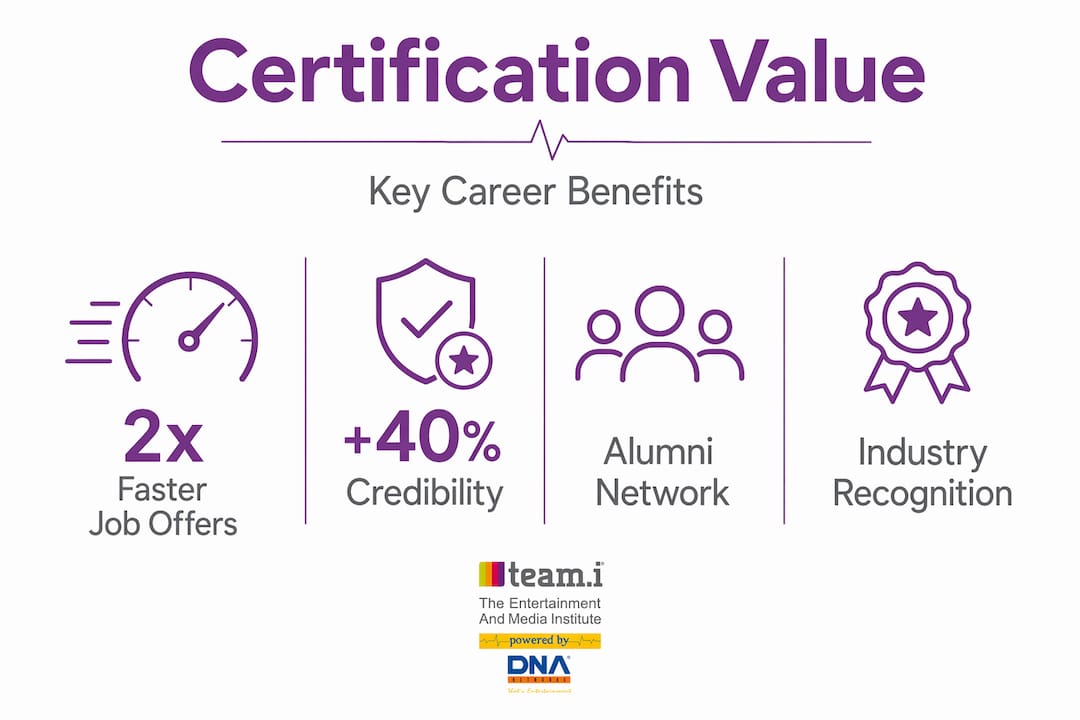
Certification gives you credibility before you have a long client list to prove yourself. In India’s competitive events market, where everyone from a fresh graduate to a seasoned coordinator is pitching for the same corporate brief, a recognised credential is a real differentiator.
Here is how the major pathways compare:
| Certification | Format | Duration | Key benefit |
|---|---|---|---|
| Certified Event Planner (CEP) | In-person intensive | 2 days | Full event plan built, templates included |
| Certified Meeting Professional (CMP) | Course plus exam | Months | Industry-wide recognition, CMP exam eligibility |
| Teami Certification | Online and hybrid | Weeks to months | India-specific training, placement support |
The CEP, for example, requires renewal every two years. Hold it for four years and you earn CEP Alumni status. That ongoing requirement is actually a feature, not a burden. It signals to clients that you are a continuously developing professional, not someone who attended one session and stopped learning.
Certification in event management also accelerates job placement. Teami’s programmes, backed by 24 years of industry experience and a direct partnership with DNA Entertainment Networks, connect certified students to real job opportunities across Bangalore, Mumbai, Delhi, and beyond.
Pro Tip: Do not just frame your certificate. Update your LinkedIn, pitch deck, and email signature immediately after completing your workshop. In India’s freelance and corporate events market, first impressions often happen online before anyone meets you in person.
Networking built through workshops often leads to placements that no job board will ever list. The industry runs on referrals. Being in the room — or the virtual room — matters enormously.
Choosing the right workshop for your goals
Not all workshops are equal. Here is what to check before you pay and commit.
- Format: Online workshops offer flexibility for working professionals. In-person formats offer richer simulation and real networking. Hybrid options, which Teami specialises in, give you both.
- Certification value: Check whether the programme leads to a recognised credential or simply a participation certificate. They are not the same thing, and the market knows the difference.
- Content relevance: Does the curriculum cover Indian event contexts — weddings in Rajasthan, corporate galas in Bangalore tech parks, college festivals in Mumbai? Generic Western content will leave gaps.
- Duration and cost: Short workshops (one to two days) suit skill top-ups. Full event management courses online suit career changers who need depth. Budget accordingly.
- Alumni outcomes: Ask for placement records and testimonials. A workshop worth attending has graduates working in the industry, not just talking about it.
- Post-workshop support: Does the provider offer mentorship, internship connections, or ongoing community access? The best workshops do not end on the last day.
My honest take on what workshops actually do for you
I have watched hundreds of aspiring event managers come into training programmes buzzing with enthusiasm and leave genuinely transformed. Not because the workshops are magical. Because they force you to confront what you do not know and give you the tools to close the gap.
In my experience, the single biggest mistake candidates make is treating a workshop as a box to tick. The people who get the most out of structured training are the ones who show up with a real question, a real ambition, and the willingness to be challenged in a room full of peers who want the same thing.
India’s events industry is growing faster than the talent pipeline can keep up with. That is genuinely good news if you are reading this. It means the market needs trained professionals urgently. But “trained” is doing real work in that sentence. Informal experience alone does not cut it when a brand is spending forty lakhs on a product launch and wants to see credentials.
Workshops also build something that no textbook can: a network of peers who are going through the same grind. The person sitting next to you in a vendor negotiation simulation today could be your co-producer on a Hyderabad concert in two years. Do not underestimate that.
— Teami
Start your certification journey with Teami
If this article has made one thing clear, it is that the right event planning workshop does not just teach you theory. It puts real tools in your hands and opens doors you did not know existed. Teami’s event management courses are built around exactly this philosophy: practical training, recognised certification, and direct industry connections through DNA Entertainment Networks. Whether you are looking for a short intensive or a full programme with internship exposure, Teami has a pathway designed for where you want to go. Explore your options, check the course certification details, and take the first step towards working in the events industry for real.
FAQ
What does an event planning workshop cover?
A typical event planning workshop covers budgeting, vendor management, timeline creation, risk planning, and event marketing. The best workshops combine hands-on exercises with reusable planning templates that participants take away and use immediately.
Do I need prior experience to attend a workshop?
No. Most event management workshops are designed for beginners and career changers. What matters more than prior experience is attention to detail, communication skills, and a genuine interest in the industry.
Is certification from a workshop recognised by employers in India?
Yes, provided the certification comes from an accredited and industry-connected provider. Credentials like the CEP require renewal every two years, which signals ongoing professional development and adds real credibility when pitching to corporate clients.
How important is networking at an event planning workshop?
Extremely important. Networking embedded in workshops is one of the most consistently valued elements by participants. In India especially, the events industry runs on referrals, and the connections you make during training often lead directly to your first opportunities.
Can I complete an event planning workshop online?
Yes. Many quality programmes, including those offered by Teami, are available in online and hybrid formats. An online event management course provides the same core content with the added flexibility of studying from Bangalore, Mumbai, or anywhere else in India.