
Event management qualifications needed to build a serious career in this field combine formal education, industry certifications, and hands-on experience. This is not a profession where a single degree unlocks every door. The Indian event industry, worth billions and spanning everything from Bangalore tech summits to Mumbai destination weddings, rewards candidates who pair academic credentials with real-world capability. Whether you are a fresh 12th-standard pass-out or a working professional looking to formalise your skills, understanding the full qualification picture is your first move.
What event management qualifications are needed for a career in India?
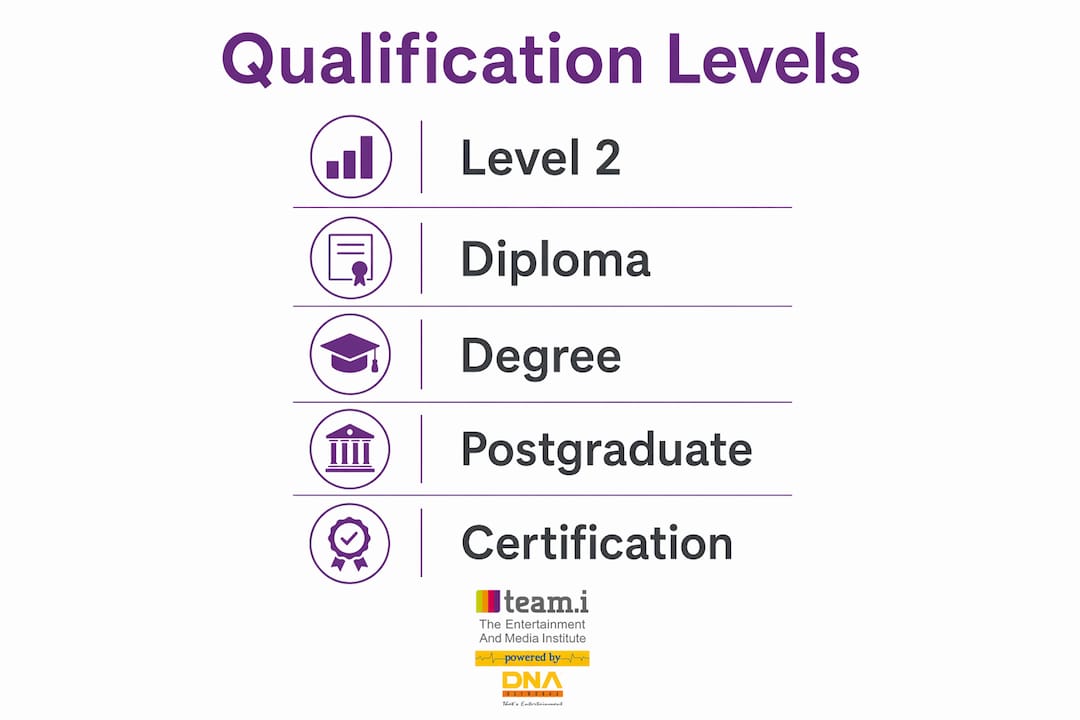
The qualification required for event management careers sits on a spectrum, not a single fixed point. At the entry level, completing your 12th standard (the Indian equivalent of A-levels or Level 3 qualifications) is the standard academic requirement for most diploma and degree programmes. Beyond school, the pathways split into vocational certificates, diplomas, and full bachelor’s degrees.
UK qualification levels range from Level 2 (GCSE equivalent) through to Level 7 (Master’s equivalent), with HNC and HND qualifications offering practical career routes between diploma and degree level. India follows a comparable progression: a one-year certificate course leads to a two-year diploma, which feeds into a three-year bachelor’s degree in event management, hospitality, or business administration.

Here is a quick comparison of the two most common academic routes:
| Route | Duration | Entry requirement | Best suited for |
|---|---|---|---|
| Diploma in event management | 1 to 2 years | 12th standard pass | Fast career entry, practical focus |
| Bachelor’s degree (BBA/BSc) | 3 years | 12th standard pass | Long-term career growth, corporate roles |
Relevant subjects across both routes include marketing, logistics, finance, public relations, and hospitality management. Bachelor-level programmes cover event strategy, budgeting, and specialisations such as sports events or cultural festivals. If you are weighing up both options in detail, the diploma vs degree comparison for Indian students breaks down the trade-offs clearly.
Key subjects to prioritise when choosing what to study for event management:
- Business administration for contract management and vendor negotiations
- Marketing and public relations for client acquisition and brand events
- Logistics and operations for on-ground execution at concerts and weddings
- Finance and budgeting for managing multi-crore event budgets
Do certifications really improve your event management prospects?
Certifications are not just badges. They are proof that you have met a defined standard of professional competence, and in India’s corporate event sector, they carry real weight with clients and employers alike.
The most recognised global credential is the Certified Meeting Professional (CMP), awarded by the Events Industry Council. CMP candidates need 36 months of full-time meeting experience, or 24 months with a relevant degree, plus 25 hours of meeting education within five years before applying. This means you cannot simply sit an exam. You must plan your career trajectory around it.
Here is how to approach CMP eligibility strategically:
- Complete a relevant degree or diploma first. A degree reduces your required experience from 36 months to 24, saving you a full year of waiting.
- Log your education hours from day one. The 25 education hours must be accumulated within a rolling five-year window. Workshops, seminars, and accredited courses all count.
- Document every event you work on. Corporate conferences in Hyderabad, product launches in Delhi, college festivals in Bangalore. All of it counts as qualifying experience.
- Plan for recertification. CMP renewal requires ongoing education every five years. This is a career-long commitment, not a one-time achievement.
- Supplement with India-specific credentials. Certifications from recognised Indian institutes add local market credibility alongside global credentials.
The importance of certification in event management goes beyond the certificate itself. Certified professionals command stronger negotiating positions with clients and are prioritised for senior roles in corporate event agencies across Mumbai and Bangalore.
Pro Tip: Start accumulating your CMP education hours during your diploma or degree programme. Many accredited courses count directly towards the 25-hour requirement, so you can enter the workforce already partway to eligibility.
What practical skills complement your formal qualifications?
Formal qualifications open the door. Practical skills determine whether you thrive once you are inside. The Indian event industry is controlled chaos at its finest, and employers across every segment, from Sunburn festival logistics to five-star wedding productions in Udaipur, expect candidates who can execute under pressure.
The skills that matter most are:
- Budget management: Handling multi-vendor invoices, tracking spends against estimates, and negotiating last-minute cost changes without losing composure
- Client communication: Managing expectations for a Bollywood-themed corporate gala is a different conversation than managing a 500-person destination wedding
- Logistics coordination: Crowd flow, stage setup timelines, vendor arrival schedules, and contingency planning for outdoor events in monsoon season
- Marketing and social media: Building pre-event buzz for college festivals or corporate launches through Instagram and LinkedIn campaigns
- Vendor negotiation: Getting the best rates from AV companies, caterers, and décor suppliers without burning relationships
Event management roles reward portfolios and demonstrated event outcomes far more than course titles alone. A candidate who has co-ordinated a 2,000-person college fest in Chennai and managed the vendor brief for a corporate awards night in Bangalore will always outrank someone with only a degree and no field experience.
Internships are non-negotiable. Teami’s students work on live events through its partnership with DNA Entertainment Networks, which means your portfolio starts building from your first semester, not after graduation. Work experience pathways in the Indian event industry are well-documented, and the difference between a strong and weak graduate comes down almost entirely to what they have actually done.
Pro Tip: Build a digital portfolio from your very first event. Photograph the setup, document the brief, record the outcomes. By the time you apply for your first full-time role, you want evidence of at least three to five events you personally contributed to.
How do you choose the right qualification path for your event career goals?
The right qualification depends entirely on where you want to work and what kind of events you want to run. There is no universal answer, but there is a logical framework.
Employer requirements vary widely across the Indian event sector. Some corporate event agencies in Mumbai require a bachelor’s degree as a minimum. Boutique wedding planning firms in Jaipur often prioritise portfolio and personality over paper credentials. Entertainment production companies in Bangalore and Hyderabad look for a combination of both.
Use this framework to align your qualification choices with your goals:
- Corporate events and MICE (Meetings, Incentives, Conferences, Exhibitions): A bachelor’s degree in business or hospitality, combined with CMP certification, is the gold standard for roles in Delhi and Mumbai’s corporate event circuit.
- Weddings and social events: A diploma with strong practical training and a well-documented portfolio carries more weight than a generic degree with no hands-on experience.
- Entertainment, concerts, and festivals: Production knowledge, crowd management skills, and experience with large-scale IPs matter most. Teami’s collaboration with DNA Entertainment Networks gives students direct access to this world.
- Sports events: A degree with a sports management or marketing specialisation, paired with volunteering at events like IPL fan zones or marathon productions, builds the right profile.
Treat job postings as your qualification compass. Scanning live listings on platforms like LinkedIn and Naukri for event management roles in your target city tells you exactly what employers are asking for right now, which is more useful than any generic advice.
What we have learnt after 24 years of training event managers in India
The most common mistake aspiring event managers make is treating qualifications as a checklist rather than a foundation. You can collect diplomas and certificates, but if you have never managed a vendor crisis at 11 PM the night before a 1,000-person gala, the paper means very little to the person hiring you.
What we have seen consistently at Teami is that the students who build the strongest careers are the ones who treat every internship, every live event, and every client interaction as seriously as any examination. The Indian event industry is growing at a pace that creates genuine opportunity, but it also raises the bar. Clients in Bangalore and Mumbai are more sophisticated than they were a decade ago. They expect event managers who combine formal knowledge with battle-tested execution.
Certifications like the CMP matter, but they matter most when they sit on top of real experience. Start building that experience from day one. Network aggressively. Attend industry events. Volunteer for productions that stretch your skills. The qualification is the entry ticket. What you do with it determines the career.
— Teami
Start your event management career with Teami
Teami offers diploma, certification, and online event management courses designed specifically for the Indian market, with 24 years of industry experience behind every programme. Courses are built around live event participation, internships with DNA Entertainment Networks, and specialisations across corporate, wedding, sports, and entertainment events. Whether you are starting from your 12th standard or looking to formalise existing experience, Teami’s programmes align with both Indian employer expectations and international certification pathways like the CMP. Explore the full range of event management courses and find the path that fits your career goals.
FAQ
What qualifications do you need to study event management in India?
Most event management diploma and degree programmes require completion of the 12th standard (or equivalent). Some vocational certificate courses accept candidates with prior relevant experience alongside academic entry criteria.
Is a degree necessary to become an event manager?
A degree is not always mandatory. Employer requirements vary across sectors. Corporate event roles often prefer a degree, while wedding and entertainment sectors frequently prioritise portfolio and practical experience over formal academic credentials.
What is the CMP certification and who is it for?
The Certified Meeting Professional (CMP) is a globally recognised credential for event and meeting professionals. Candidates need either 36 months of full-time experience or 24 months with a relevant degree, plus 25 education hours within five years before applying.
What subjects should I study for event management?
The most relevant subjects include business administration, marketing, logistics, public relations, and finance. Degrees and diplomas that cover event strategy and specialisations such as corporate events or weddings provide the strongest career preparation.
How important is work experience alongside formal qualifications?
Work experience is critical. Roles across the Indian event industry reward candidates who can demonstrate real event outcomes and a strong portfolio, often valuing hands-on experience as much as, or more than, formal qualifications alone.
Recommended
- Event management lifestyle: a practical guide for 2026 – team I
- Event planning university: your 2026 career guide – team I
- What is an event management course: your 2026 guide – team I
- Event planning skills for Indian students: 2026 guide – team I
Thinking about a career in event management?
team I is Bangalore’s only EEMA-certified event management institute, running for 24 years, where students work on real live events with real budgets and real deadlines rather than classroom simulations. See the full range of event management courses in Bangalore, or go straight to the flagship Certificate Program in Event Management (CPEM).