

Over 45 percent of British event organisers have faced unexpected losses due to circumstances beyond their control. In a world where the smallest disruption can threaten months of planning, understanding event insurance is more than just a paperwork task. This guide reveals how comprehensive coverage empowers organisers to turn potential setbacks into manageable challenges and safeguards the true value behind every British celebration, conference, or festival.
Table of Contents
- What Event Insurance Means In Practice
- Main Types Of Event Insurance Cover
- How Event Insurance Policies Operate
- Legal And Regulatory Requirements Explained
- Managing Event Risks And Avoiding Pitfalls
Key Takeaways
| Point | Details |
|---|---|
| Comprehensive Coverage | Event insurance provides protections against financial losses from cancellations, injuries, and property damage. |
| Tailored Policies | Effective insurance solutions should be customised to fit the specific needs of different event types. |
| Legal Compliance | Event organisers must adhere to various legal and regulatory requirements, ensuring adequate liability coverage. |
| Proactive Risk Management | Implementing thorough risk assessments and contingency plans is essential for effective event management. |
What Event Insurance Means In Practice
Event insurance transforms abstract risk management into concrete financial protection for organisers and participants. At its core, event insurance provides comprehensive coverage that shields event professionals from potential financial losses arising from unexpected circumstances. Event risk assessment becomes significantly more strategic when robust insurance frameworks are in place.
Practically speaking, event insurance covers multiple critical scenarios that could derail an otherwise meticulously planned occasion. These typically include liability protection for injuries or property damage, cancellation expenses, and potential legal claims. For instance, if a wedding reception venue experiences unexpected structural damage, or a corporate conference faces sudden cancellation due to extreme weather conditions, comprehensive event insurance can mitigate substantial financial risks.

The most effective event insurance policies are tailored to specific event types and risk profiles. Corporate events, weddings, festivals, and conferences each present unique insurance requirements. Professional event managers understand that standard blanket policies often fail to address nuanced industry-specific challenges. A music festival, for example, might require different coverage compared to an academic conference, considering factors like crowd size, performer contracts, equipment value, and potential public liability scenarios.
Key coverage areas typically include:
- Cancellation or postponement protection
- Public liability insurance
- Equipment and property damage coverage
- Personal accident protection
- Third-party injury compensation
By investing in comprehensive event insurance, organisers transform potential financial vulnerabilities into manageable risks, allowing them to focus on delivering exceptional experiences rather than worrying about potential catastrophic losses.
Main Types Of Event Insurance Cover
Event insurance encompasses several critical categories designed to protect organisers from diverse financial and legal risks. The two primary types of event insurance are liability coverage and cancellation protection, each addressing distinct potential challenges faced by event professionals.
General liability insurance represents the foundational protection for most events, covering bodily injury and property damage scenarios. This type of insurance shields organisers from potential legal claims arising from accidents or incidents during an event. For instance, if a guest trips and sustains an injury at a corporate conference or a piece of equipment damages a venue’s property, general liability insurance provides crucial financial protection.
Beyond general liability, specialised event insurance categories offer targeted protection for specific scenarios. These typically include:
- Cancellation Insurance: Protects against financial losses if an event must be cancelled or postponed due to unforeseen circumstances
- Equipment Insurance: Covers damage, loss, or theft of event-specific equipment and technical infrastructure
- Participant Accident Insurance: Provides coverage for injuries sustained by event participants
- Performer/Talent Insurance: Offers protection related to specific performer contracts and potential performance interruptions
Effective risk management requires event organisers to carefully assess their specific event profile and select insurance coverage that comprehensively addresses potential vulnerabilities. By understanding these diverse insurance types, professionals can create robust financial safeguards that enable smoother, more confident event planning.
How Event Insurance Policies Operate
Event insurance policies function through a complex mechanism of risk assessment, premium calculation, and comprehensive coverage strategies. Event risk management becomes crucial in understanding how these policies are structured and implemented to protect event organisers from potential financial vulnerabilities.
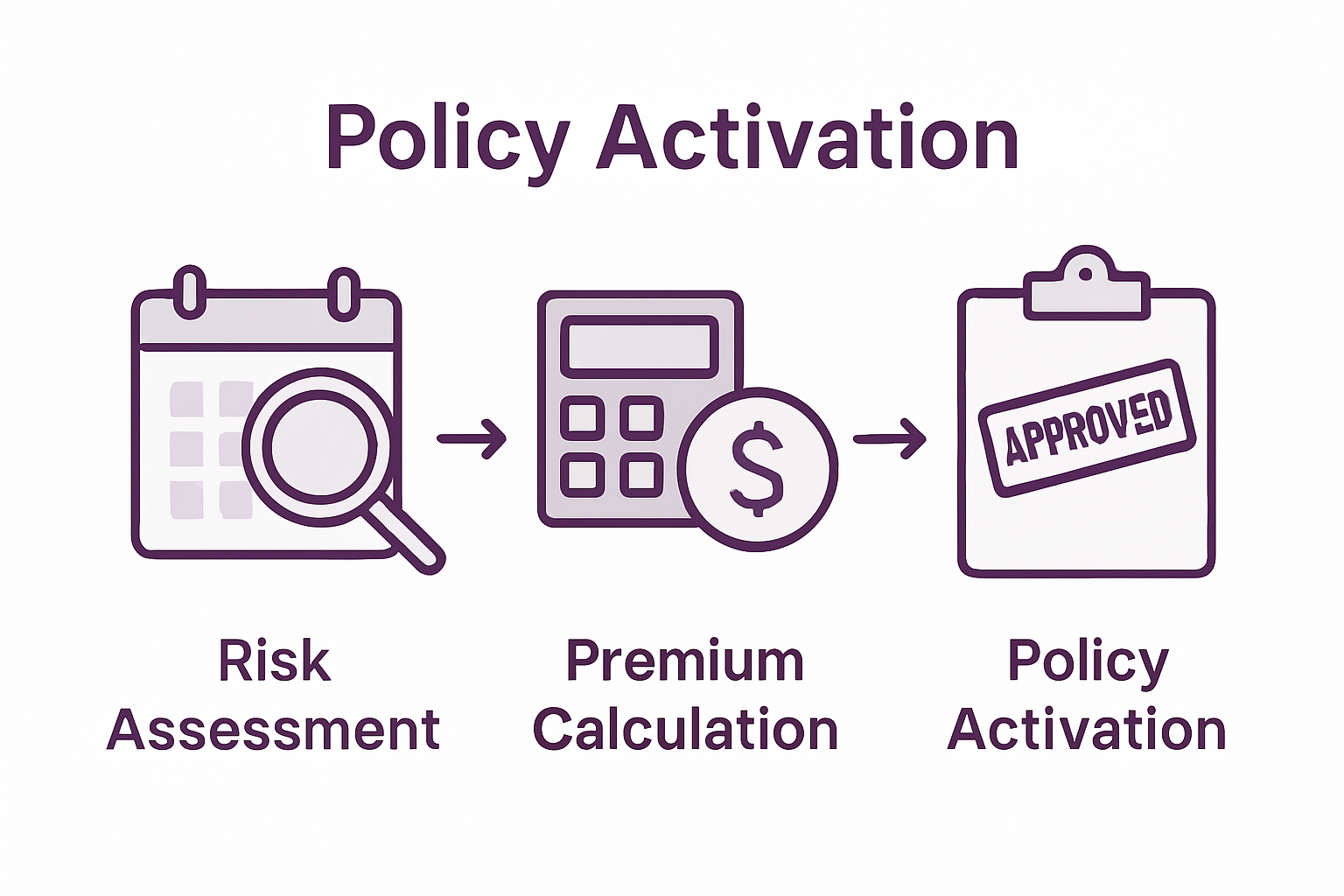
Typically, event insurance policies cover multiple critical scenarios, including event cancellation, general liability, personal injury, property damage, and specific risks like liquor liability. The operational process begins with a detailed risk evaluation where insurers assess the event’s unique characteristics such as venue, expected attendance, type of activities, and potential hazards. Premiums are then calculated based on the complexity and potential risk profile of the specific event.
The claims process in event insurance involves several key steps:
- Initial Notification: Organisers must promptly report any incidents or potential claims
- Documentation: Comprehensive evidence collection including witness statements, photographs, and incident reports
- Assessment: Insurers evaluate the claim against policy terms and conditions
- Verification: Independent investigation of the circumstances surrounding the claim
- Settlement: Financial compensation or support provided according to policy specifications
Successful event insurance requires proactive communication and transparent documentation. Event organisers must carefully review policy details, understand exclusions, and maintain meticulous records to ensure smooth claims processing and comprehensive protection against potential financial risks.
Legal And Regulatory Requirements Explained
Event insurance legal requirements form a complex landscape of regulatory compliance that varies significantly across different sectors and event types. Event budget planning must incorporate comprehensive legal considerations to ensure full regulatory adherence and risk mitigation.
Institutional and organisational events typically mandate specific insurance requirements, including minimum coverage limits and mandatory protection protocols. Most regulatory frameworks require event organisers to demonstrate proof of liability insurance, with coverage amounts often determined by factors such as event scale, participant numbers, and potential risk exposure. Universities and corporate entities frequently establish stringent guidelines that necessitate comprehensive insurance documentation, including detailed risk assessments and explicit coverage specifications.
Key legal and regulatory requirements typically encompass:
- Minimum Liability Coverage: Specific monetary thresholds for potential damage claims
- Mandatory Documentation: Comprehensive insurance certificates and risk management plans
- Venue-Specific Requirements: Tailored insurance specifications for different event locations
- Participant Protection: Legal obligations for safeguarding event attendees
- Risk Disclosure: Transparent reporting of potential hazards and mitigation strategies
Successful navigation of legal and regulatory landscapes requires meticulous attention to detail, proactive communication with insurance providers, and a thorough understanding of sector-specific compliance standards. Event professionals must remain vigilant, continuously updating their knowledge of evolving regulatory requirements to ensure comprehensive protection and legal compliance.
Managing Event Risks And Avoiding Pitfalls
Effective risk management requires a proactive and comprehensive approach to identifying potential challenges before they escalate. Event crowd management serves as a critical foundation for mitigating risks and ensuring the smooth execution of any event.
Comprehensive insurance solutions play a pivotal role in safeguarding financial investments across all stakeholder groups. Event organisers must develop robust risk mitigation strategies that address potential vulnerabilities, including financial, legal, and operational risks. This involves conducting thorough risk assessments, implementing preventative measures, and securing appropriate insurance coverage that provides comprehensive protection against unforeseen circumstances.
Key strategies for managing event risks include:
- Detailed Risk Assessment: Comprehensive evaluation of potential hazards and vulnerabilities
- Contingency Planning: Developing backup strategies for critical event components
- Insurance Verification: Ensuring complete and appropriate coverage for all potential scenarios
- Safety Protocol Development: Creating clear guidelines for emergency responses
- Stakeholder Communication: Maintaining transparent communication channels with all involved parties
Successful risk management demands continuous vigilance and adaptability. Event professionals must remain proactive, regularly reviewing and updating their risk mitigation strategies to address emerging challenges and evolving industry standards. The ability to anticipate, prepare for, and effectively respond to potential risks distinguishes exceptional event management professionals from their peers.
Secure Your Event Management Career by Mastering Risk and Insurance
Understanding the critical role of event insurance is essential for every aspiring event professional. The article highlights key challenges like cancellation protection, liability coverage, and risk assessment — all vital for protecting financial investment and ensuring successful event delivery. If you want to become a confident organiser who can navigate these complex insurance requirements and legal regulations, gaining specialised skills in these areas is indispensable.
At team.i.org, we provide comprehensive education designed to bridge this gap with practical training and expert insights. Our courses cover essential topics such as event risk management, insurance policy operation, and legal compliance, preparing you to manage all facets of event protection effectively. Learn from industry leaders and benefit from hands-on projects that transform theoretical knowledge into actionable expertise. To start advancing your event management career and safeguard every occasion you plan, explore our certification programmes today by connecting with us directly via our contact link. Embrace the opportunity to master event insurance essentials and excel in this competitive industry.
Frequently Asked Questions
What types of events are covered by event insurance?
Event insurance can cover a wide range of occasions, including weddings, corporate events, festivals, and conferences. Each type has specific insurance requirements tailored to the unique risks involved.
How does cancellation insurance work for events?
Cancellation insurance protects event organisers from financial losses if an event must be cancelled or postponed due to unforeseen circumstances, such as extreme weather or venue issues.
What is general liability insurance in the context of events?
General liability insurance provides foundational protection for events by covering bodily injury and property damage claims that may arise during the event, helping shield organisers from potential legal liabilities.
Why is risk assessment important for event insurance?
Risk assessment is crucial because it allows insurers to understand the unique characteristics of an event, helping to determine the appropriate coverage needed and ensuring that organisers are protected against potential financial vulnerabilities.