You are juggling vendor calls, attendee lists, showflows, and a budget that changes every other day. The last thing you need is five different apps that refuse to talk to each other. Yet that is exactly the situation most event professionals in India find themselves in. Choosing the right essential event management tools is not about downloading what is trending. It is about building a toolkit that holds together under pressure, whether you are coordinating a 500-person corporate conference in Bangalore or a 5,000-guest wedding in Hyderabad.
Table of Contents
- 1. Criteria for choosing essential event management tools
- 2. Comprehensive all-in-one event management platforms
- 3. Specialised tools for focused event management tasks
- 4. Comparison of popular essential event management tools in India
- 5. Selecting the right tools for your event type and scale
- My honest take on what actually matters
- Build your toolkit the right way with Teami
- FAQ
1. Criteria for choosing essential event management tools
Before you spend a single rupee on software, you need a clear framework for evaluation. The wrong tool does not just waste money. It wastes time on the floor, where every minute counts.
Here is what to assess before committing:
- Feature completeness: Does it cover planning, registration, communication, and analytics, or does it do one thing well and leave gaps elsewhere?
- Integration capability: Disconnected tools create silos, slowing your team down with manual data transfers and duplicate entry.
- User-friendly interface: Enterprise-grade platforms are powerful, but if your on-ground team cannot operate them under pressure, they are useless.
- Indian market fit: Look for support for local payment gateways like Razorpay or Paytm, multilingual options, and GST-compliant invoicing.
- Mobile accessibility: Your production manager at a Delhi expo cannot run back to a laptop. Mobile apps on the floor are non-negotiable.
- Cloud reliability with a backup plan: Indian venues, especially older banquet halls in Mumbai or heritage properties in Jaipur, have patchy Wi-Fi. Plan for it.
- Scalability: Your tool should handle a 200-person seminar and a 20,000-person concert festival without requiring a platform switch.
Pro Tip: Before your next event, run a full connectivity test at the venue and set up mobile hotspots at registration counters. On-site connectivity failures are one of the most common and most avoidable causes of data loss during live events in India.
2. Comprehensive all-in-one event management platforms
All-in-one platforms are the closest thing to a command centre you will find in this industry. They pull registration, ticketing, check-in, engagement, and reporting into one unified system, which means your data does not live in five different spreadsheets.
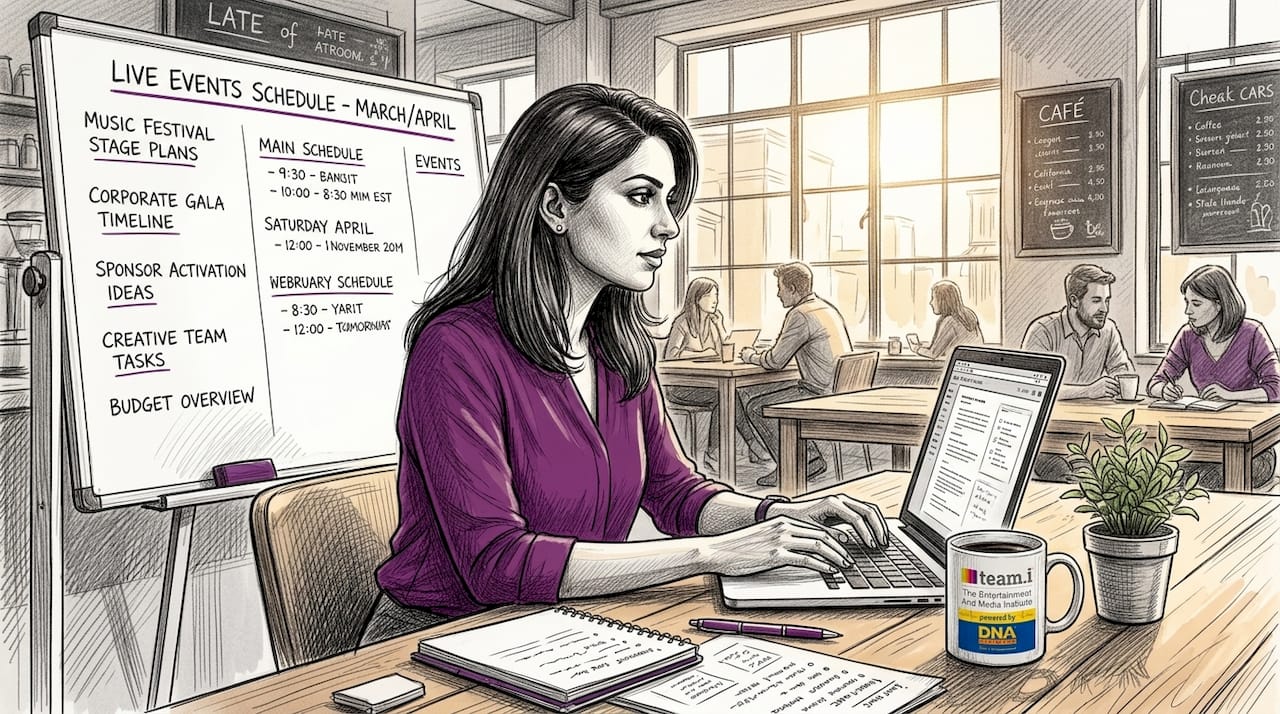
The real advantage is not just convenience. Unified datasets with real-time updates reduce human error and produce far more accurate post-event reporting. For a corporate event in Hyderabad where the client expects a detailed attendance and engagement breakdown within 24 hours, that matters enormously.
Platforms worth knowing in 2026:
- Whova: Strong on attendee engagement, session scheduling, and networking features. Popular for conferences and college fests.
- Cvent: The industry heavyweight. Excellent for large-scale corporate events and multi-day conferences, but it has a steep learning curve requiring dedicated training time.
- RSVPify: Enterprise-grade features including registration, seating charts, ticketing, and check-in, with faster deployment and lower costs than most competitors.
- Eventbrite: Best for public ticketed events and concerts. Works well in metro cities with strong internet penetration.
One feature quietly changing the game is AI. Platforms like EventsAir now include AI assistants that answer queries like “which sessions are underperforming right now?” without requiring you to switch dashboards or run manual reports. For a busy production day, that is serious time saved.
3. Specialised tools for focused event management tasks
Not every problem needs an all-in-one fix. Sometimes you need the best tool for a specific job, especially when your event scale or type demands precision in one particular area.
For project and task management, platforms like Asana and Trello work well for building event timelines, assigning vendor tasks, and tracking approvals. A production team running a college fest in Bangalore can map out every deliverable from stage setup to social media posts and assign owners with deadlines, all in one board.
For venue and space management, dedicated software tracks room availability, capacities, and bookings in real time. Venue management tools prevent double bookings and conflicting room assignments, which is a genuine problem at multi-track conferences running across several halls simultaneously.
For attendee engagement, apps like Slido and Pigeonhole Live bring live polls, Q&A, and word clouds into your sessions. Audiences at corporate events in Mumbai respond well to real-time interaction. It turns passive attendees into active participants.
At large expos and trade shows, IoT-based traffic monitoring tools track visitor heatmaps and booth dwell time using sensors and app data. That tells you which zones are dead and lets you adjust layout mid-event.
Pro Tip: When using multiple specialised tools, designate one person on your team as the integration lead. Their sole job during the event is to make sure data is syncing correctly across platforms and to flag any breakdowns before they cascade.
4. Comparison of popular essential event management tools in India
Choosing between platforms gets easier once you see them side by side. Here is a practical comparison built for Indian event professionals evaluating their options for 2026.
| Tool | Best for | Ease of use | Cost | Indian market fit | Key strength |
|---|---|---|---|---|---|
| Whova | Conferences, college fests | High | Moderate | Good | Networking and engagement features |
| Cvent | Large corporate events | Low to moderate | High | Moderate | Deep analytics and reporting |
| RSVPify | Weddings, social events, SMEs | High | Low to moderate | Good | Fast setup, seating charts, ticketing |
| Eventbrite | Concerts, public events | High | Low (commission-based) | Good | Mass ticketing and discovery |
| Momentus | Venues and large productions | Moderate | High | Moderate | Venue and space management |
A few honest notes on this list. Cvent is genuinely unmatched in capability for enterprise users, but it rewards teams who invest in learning it properly. RSVPify punches above its price point for social events and weddings where you need clean registration and guest management without a long onboarding process. Eventbrite dominates ticketed public events in cities like Mumbai and Delhi but offers less control over branding and data.
None of these integrate natively with Indian payment gateways out of the box, so factor in API setup time or use tools like Razorpay’s own event pages as a complement.
5. Selecting the right tools for your event type and scale
There is no universal answer here. The right tools depend on what you are running, how large it is, and who is on your team.
- Small to medium weddings and social events: Keep it simple. RSVPify or a customised Google Forms setup paired with WhatsApp Business for guest communication covers most needs without overwhelming a two-person team.
- Corporate events and conferences: Prioritise automation and analytics. Whova or Cvent give you session scheduling, attendee tracking, and post-event reporting. Pair these with event schedule management tools like Asana for your internal production timeline.
- Large concerts and festivals: Focus on real-time tracking and crowd management. Eventbrite handles ticketing. IoT-based monitoring handles crowd flow. A dedicated communication platform like Slack keeps your production team connected across multiple zones.
- College fests: Whova’s networking features and session scheduling make it a natural fit. Budget is usually tight, so look at free tiers and student pricing where available.
- Hybrid and virtual events: You need a platform with strong streaming integration. Look for tools that manage both in-person registration and virtual attendee access from one dashboard, rather than running two separate systems in parallel.
- Expo and trade events: Combine a venue management platform with IoT monitoring and an attendee engagement app. These three together give you layout control, traffic data, and audience interaction in real time.
Before any large event, test your chosen tools at a smaller internal run or pilot event. Contingency planning means knowing exactly which function fails first when Wi-Fi drops, and having a manual backup ready.
My honest take on what actually matters
I have seen event teams go into events with six different apps running on three different devices and still lose critical data because nothing was talking to anything else. The temptation to add another tool for every new problem is real, especially when each one looks impressive in a demo.
What I have learnt is that integration matters far more than any individual feature. A platform that does eight things adequately and shares data across all of them will outperform four best-in-class tools that operate in isolation every single time. That is not a theory. That is what you discover at 8 PM when the client asks for live attendance numbers and your registration tool cannot speak to your check-in app.
I also think the Indian events industry underestimates on-site infrastructure. We plan the production down to the minute and forget to test the Wi-Fi at the venue until the day before. Preparing mobile hotspots at critical points is not a nice-to-have. It is the difference between a smooth check-in and a queue that kills the energy before the event even starts.
AI features are becoming standard, not premium. If your platform does not yet offer real-time data queries or automated reporting, you are already behind where the industry is heading. Factor that into your next tool evaluation.
— Teami
Build your toolkit the right way with Teami
Knowing which tools exist is step one. Knowing how to use them under real event pressure is where professionals are made. Teami’s event management courses are built around exactly that, giving you hands-on experience with the platforms, workflows, and decision-making frameworks that actual events in India demand. From corporate conferences to large-scale productions, you learn by doing, not just by reading.
If you prefer flexibility, Teami’s online event management programme lets you build these skills around your schedule, with certification that the industry recognises. You can also explore free online courses to get started before you commit. The tools are out there. The question is whether you know how to make them work for you.
FAQ
What are the most essential event management tools in 2026?
The most widely used categories include all-in-one platforms like Whova or RSVPify for registration and engagement, project management tools like Asana for timelines, and communication platforms for team coordination. The right combination depends on your event type and scale.
How do I choose between all-in-one platforms and specialised tools?
All-in-one platforms work best when your team is small and you need unified data across every event function. Specialised tools make sense when a specific task, such as venue space management or live polling, demands capability that a general platform cannot match.
Which event management tools work best for Indian weddings and social events?
RSVPify is widely recommended for social events due to its fast setup, seating chart features, and registration management without a steep learning curve or expensive contracts.
Why does mobile accessibility matter for event management tools?
On-ground teams at venues across India cannot always return to a desktop during live events. Mobile app support allows staff to update statuses, resolve issues, and communicate in real time from anywhere on the event floor.
How should I handle poor Wi-Fi connectivity at Indian venues?
Test connectivity at the venue beforehand and prepare mobile hotspots at registration points and other critical zones. Backup connectivity planning prevents data loss and keeps your event management tools running smoothly throughout the event.
Recommended
- Event management lifestyle: a practical guide for 2026 – team I
- Event Planning Checklist 2025: Step-by-Step Guide for Success – team I
- Event Logistics Planning: Essential Steps and Tips for 2025 – team I
- Event Project Management: Essential Skills and Tools for 2025 – team I
Thinking about a career in event management?
team I is Bangalore’s only EEMA-certified event management institute, running for 24 years, where students work on real live events with real budgets and real deadlines rather than classroom simulations. See the full range of event management courses in Bangalore, or go straight to the flagship Certificate Program in Event Management (CPEM).