
Every June and every January, thousands of students across India type the same search: how to choose an event management course. The results are a wall of institutes all claiming to be number one, all promising placements, all showing the same stock photos of stages and champagne. This post is our attempt at a more useful answer: the six factors that actually separate a good event management course from an expensive certificate, and the red flags that should make you walk away, including from us, if we ever fail these tests.
Factor 1: weeks to your first real event
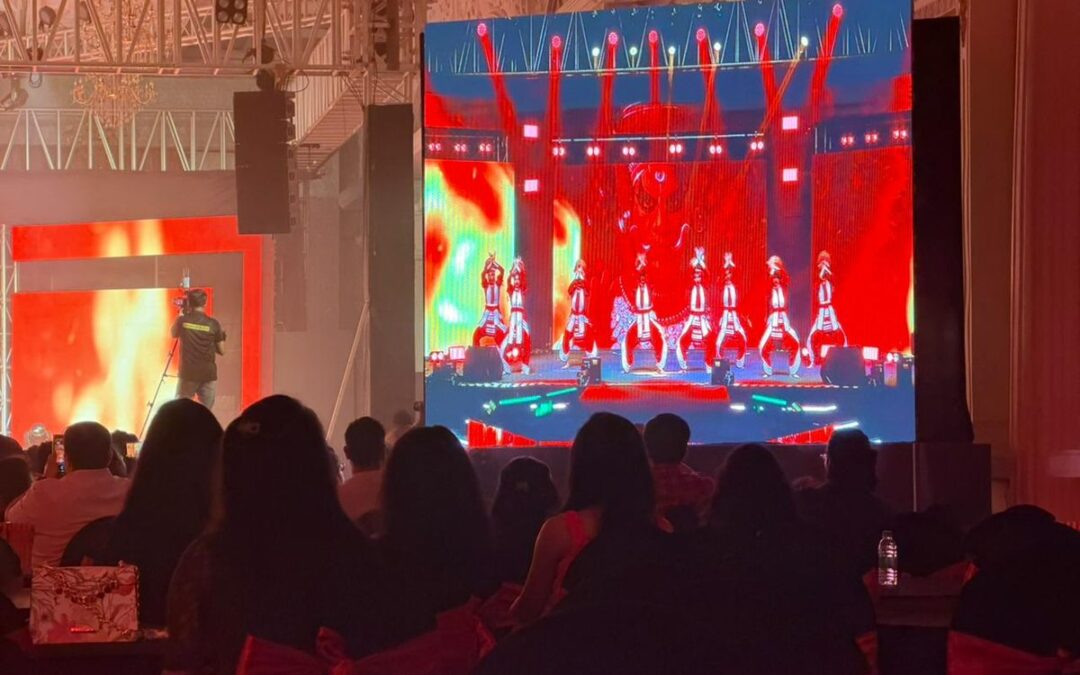
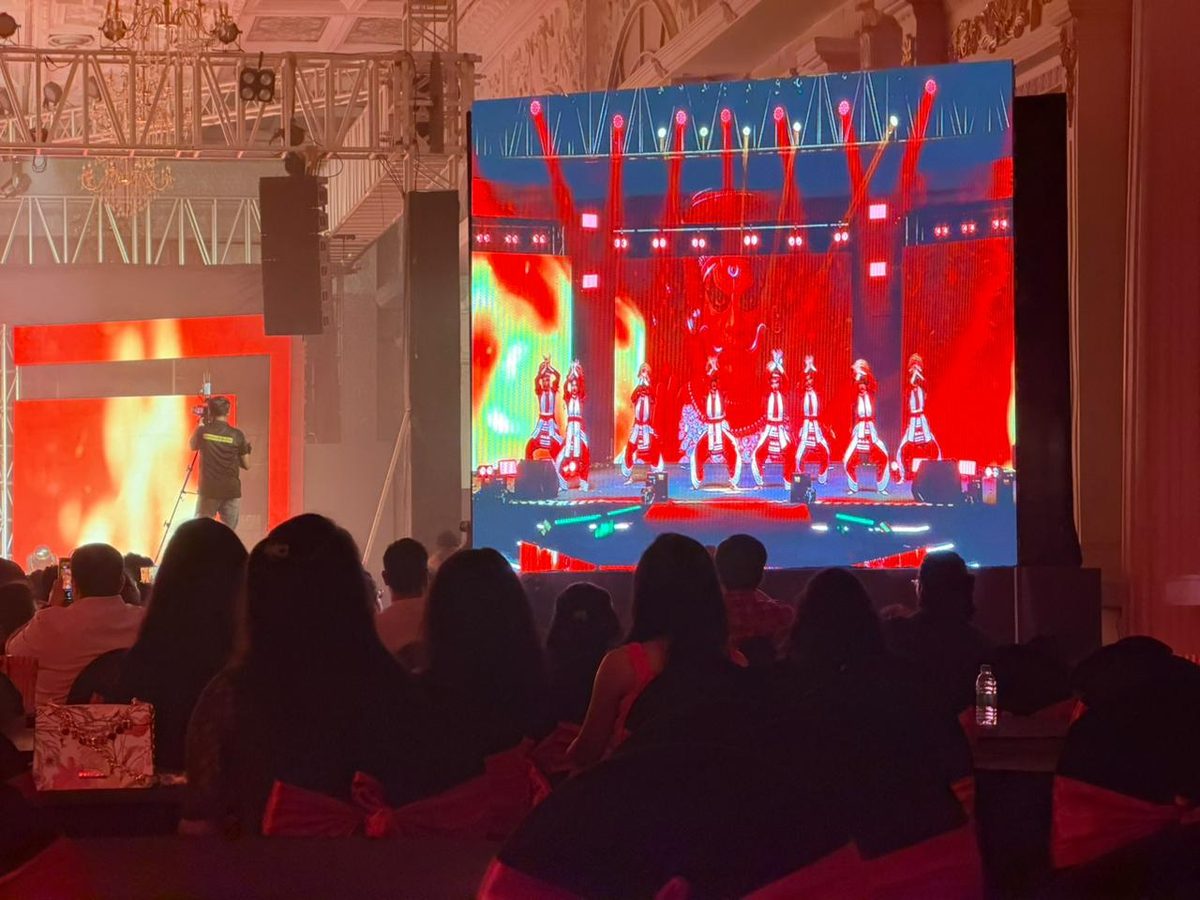
The single most revealing number about any course. Ask: how many weeks after joining will I stand inside a real, professional event with a responsibility of my own? If the answer is a semester, or an annual college fest, or a simulation, the course is theory wearing a lanyard. In this industry, employers hire evidence, and evidence is built on real show floors. At team I, students work their first major live show within their first weeks.
Factor 2: who certifies the course
A certificate is worth exactly what the industry thinks of the body that issued it. In Indian events, EEMA, the Event and Entertainment Management Association, is the industry’s own association. A course certified by the industry beats a course certified by nobody, and a course backed by a working event company, in our case DNA Networks, means the training reflects how shows are actually run today, not a syllabus written years ago.
Factor 3: who teaches
Read the faculty page like a detective. Are these career academics, or people who have run crowd control at concerts, produced weddings with hundreds of vendor moving parts, and managed artists at major shows? You want scars, not just slides. Ask when each faculty member last worked a live event. The answer should be measured in weeks.
Factor 4: how the internship is structured
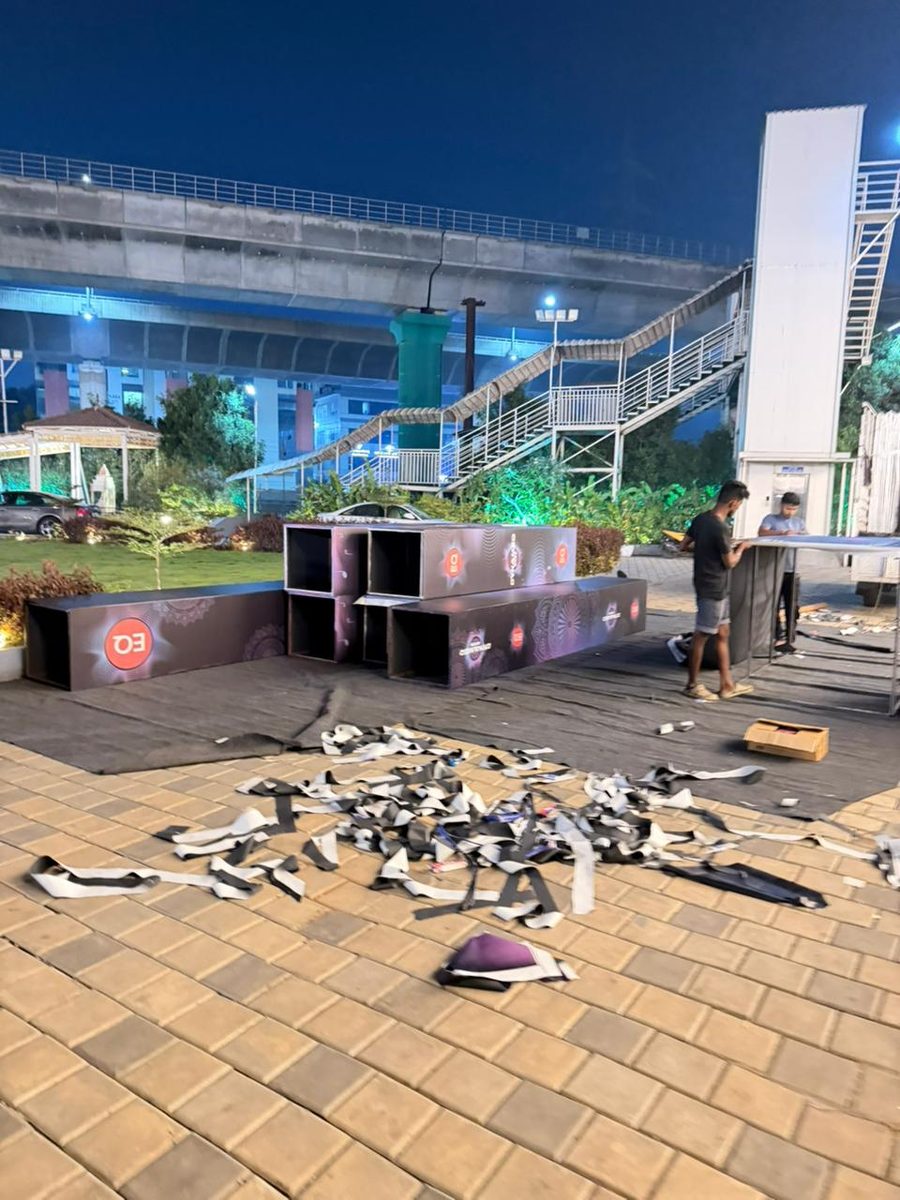
An internship is where a course either converts into a career or quietly fails. Three questions: is it mandatory and built into the program, is it with real external companies rather than the institute’s own events department, and how long is it? At team I, the structure is 10 months of coursework followed by a 2-month industry internship, 12 months in total, and placement conversations usually begin inside that internship, because you are already working next to the people who hire.
Factor 5: placement transparency
Do not accept a percentage on a poster. Ask which companies hired from the last two batches, by name, and ask to speak to two recent alumni. An institute that hesitates on either has told you everything. We publish our alumni stories with names and companies on this site precisely so nobody has to take our word for anything.
Factor 6: the city is part of the course
Event careers are apprenticeship careers, and apprenticeships need a busy workshop. A city with a dense calendar of weddings, corporate events, concerts and sports gives you more real shows per month of study than a quiet one. Bengaluru is one of India’s busiest event markets, which is not a small part of why we built team I here. Wherever you study, make sure the city itself can feed you work.
The red flags, quickly
Guaranteed job promises in writing. Fees that are a secret until the third phone call. Faculty pages with no industry history. Internships inside the institute’s own events only. No alumni you can talk to. A campus that looks like a coaching centre with posters of events rather than equipment from them. Any two of these together, walk away.
How to run your comparison
Shortlist three institutes. Put the event management courses in Bangalore through the six factors above, ask every institute the same questions, and visit at least two campuses in person. If you are weighing course formats, our diploma vs certificate program comparison breaks down how a diploma differs from a certificate program. And everything about our own answer to these six factors, structure, eligibility, internship and counselling, is on the Certificate Program in Event Management page.
Run the test on us first. Come to the team I campus on Magadi Main Road, ask the hard questions, and see the difference between a course that talks events and one that does them. Message us on WhatsApp to fix a time.
FAQ
Which is the best event management course in India?
The one that scores highest on the six factors for you: earliest real-event exposure, industry certification, working faculty, a structured external internship, transparent placements, and a busy host city. Rankings without those factors are advertising.
Is a degree necessary for event management?
No. The industry hires on demonstrated event experience and network. A focused certificate program with real show experience typically gets you working years earlier than a 3-year degree.
When should I apply?
Batches fill in the weeks after 12th results and again around the new year. Applying early matters less than applying to the right course; run the six-factor test first.