
Here is the answer nobody in the education industry likes to print: no course anywhere can honestly guarantee you a job. Not an MBA, not an engineering degree, and not an event management course, ours included. Anyone who promises a guaranteed job is selling you the word "guaranteed", not a career. So let us talk about what actually determines whether you get hired after an event management course, and what 100% placement support really means at team I.
The difference between placement support and a job guarantee
Placement support means the institute opens doors: interviews arranged, companies invited, your name put forward with a recommendation that means something. Walking through the door is still your job. At team I, 100% placement support means every completing student gets placement opportunities, real interviews with real companies. What no honest institute controls is whether you show up through 12 months, 10 of coursework and then a 2-month industry internship, and build the reputation that makes a company say yes.
Why event management hiring works differently
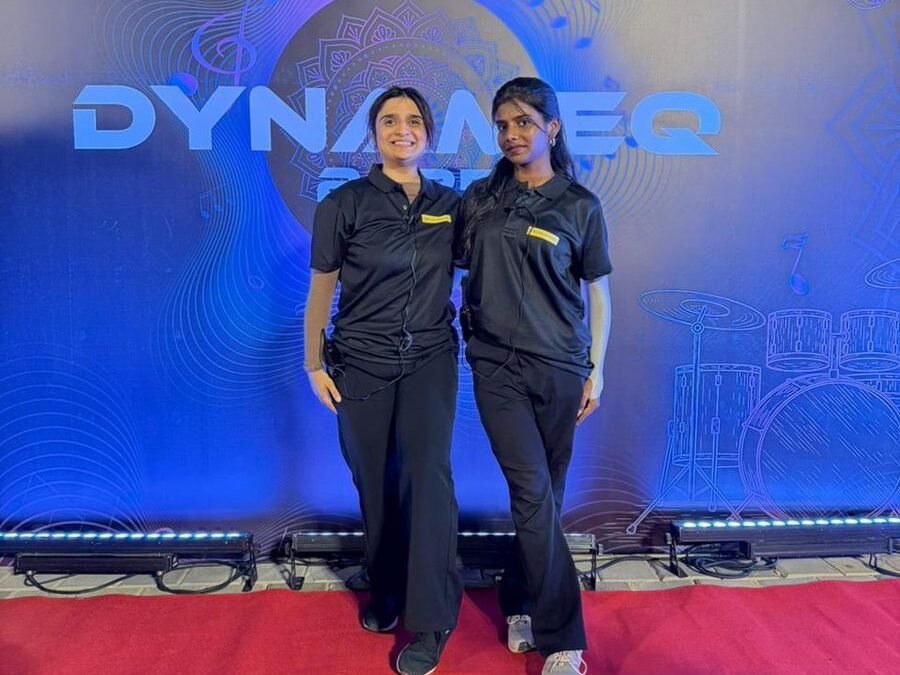
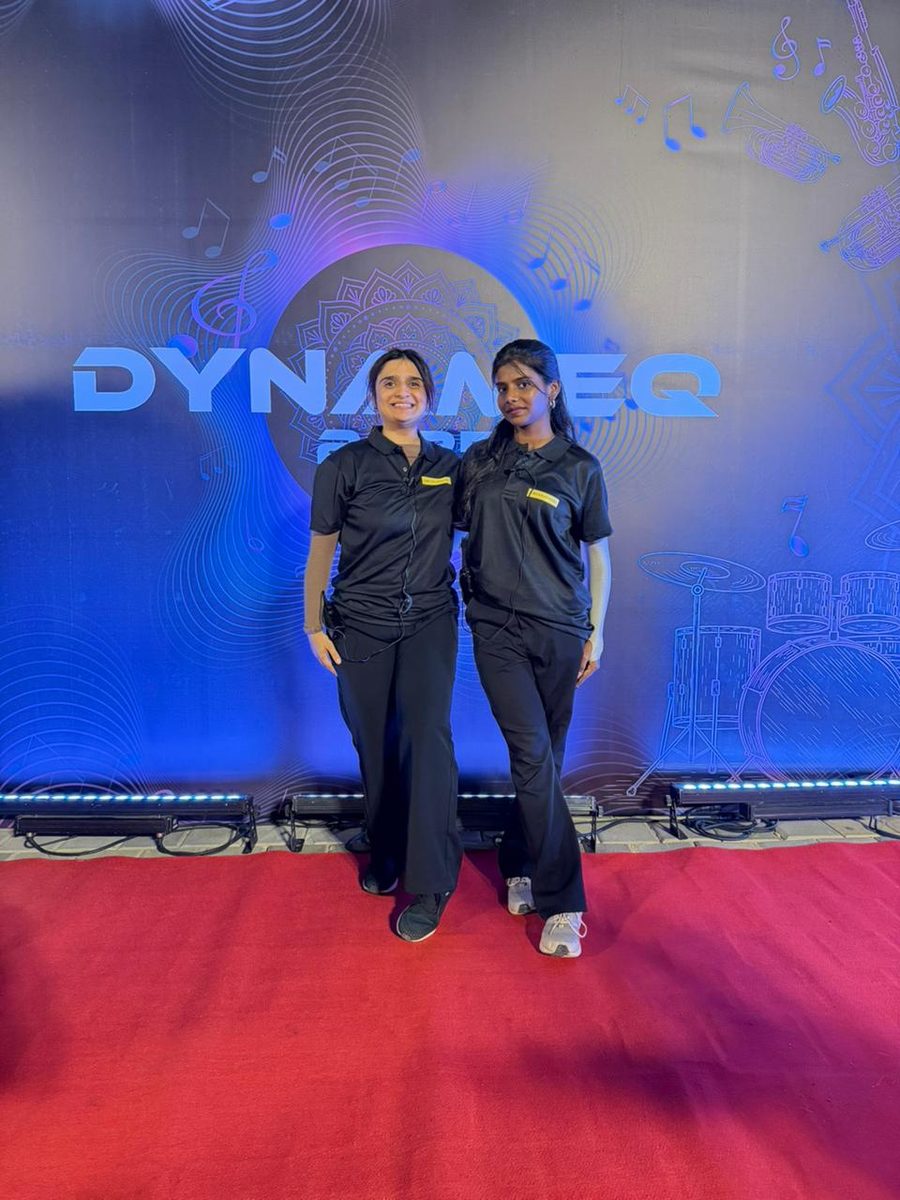
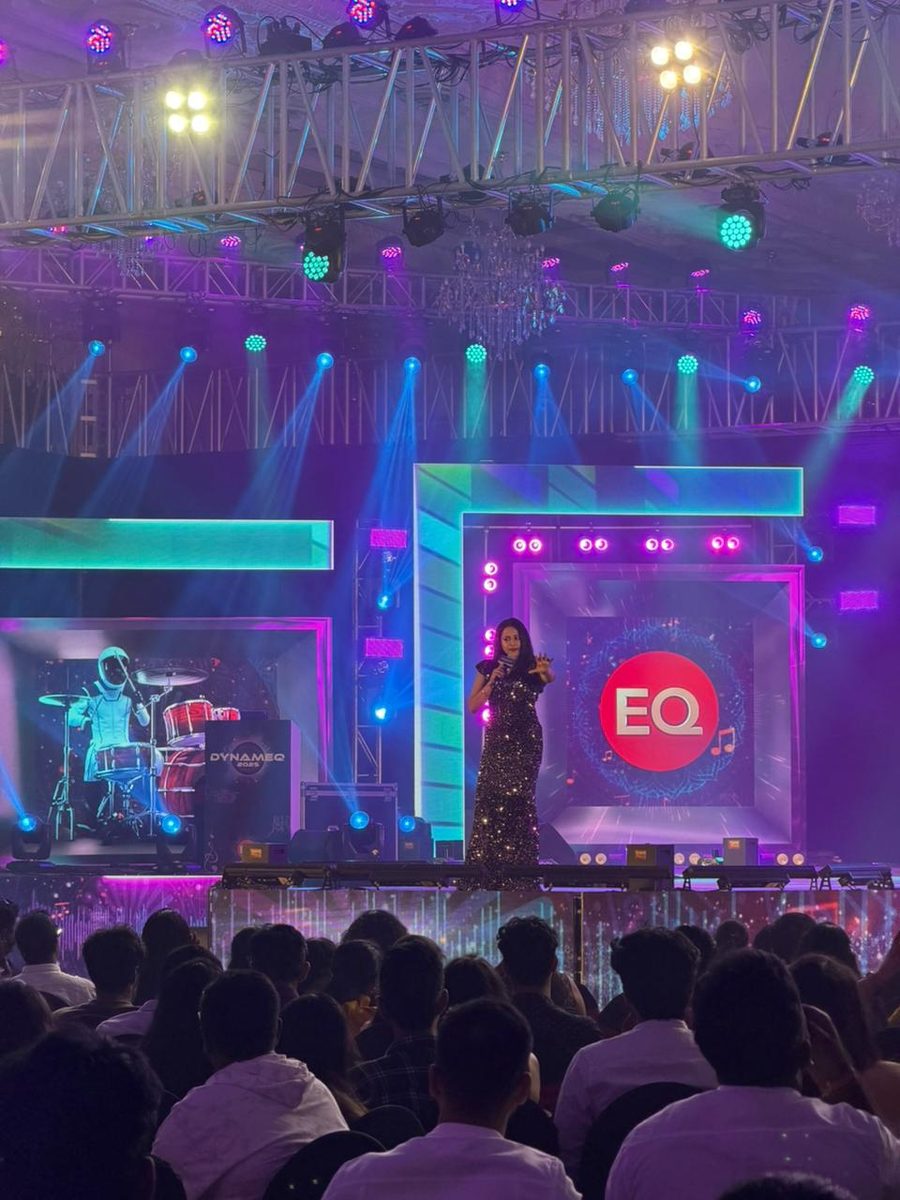
In most industries, a company meets you for the first time at the interview. In events, if you trained at team I, the company has usually already worked beside you. Our students crew real weddings, concerts, corporate shows and sports events throughout the program, alongside the agencies and production houses that hire. The 2-month internship at the end is often less an audition and more a formality: they have watched you handle a load-in, a showday and a de-rig at 2 AM. Hiring you is not a risk anymore. That is the actual mechanics behind our placement record, and it is why the answer to "will I get a job" depends far more on your 12 months than on any promise printed in a brochure.
What our alumni actually did with it
We keep receipts. There are 40 real team I alumni stories on this site, names, batches and where they landed. A few patterns from those stories: students who joined as introverts and found their place in backstage and logistics roles, students whose parents Googled "event management salary" before letting them join and came around after seeing real placements, and students who worked 14 events in 3 months and walked into agency roles before their course even ended. Alumni from our programs have gone on to companies like Wizcraft, DNA Networks, Black Pepper Events and ARKAAYA, and some have started their own event companies.
The questions to ask any institute about placements
Wherever you study, ask these four questions and watch how the institute reacts. One: what percentage of last year’s batch got placement interviews, and how many accepted offers? Two: which companies hired, name them. Three: is an internship built into the course, and is it with real companies or an in-house project? Four: can I speak to two alumni from the last two batches? An institute confident in its placements will answer all four without flinching. We will.
How to stack the odds in your favour
Choose a course where the industry sees you work long before graduation day. Compare the event management courses in Bangalore on exactly that: hours on real events, not hours in classrooms. Then commit to the full 12 months like it is your first job, because in this industry, it effectively is. Full program details, including how the internship and placement support work, are on the Certificate Program in Event Management page.
Want the honest numbers for the current batch? Come to the campus on Magadi Main Road or message us on WhatsApp. Ask the four questions above. We enjoy answering them.
FAQ
Does team I guarantee a job after the course?
No institute can honestly guarantee a job, and we do not use that word. CPEM comes with 100% placement support: every completing student gets real placement opportunities and interviews. The offers our alumni convert are earned across 12 months of real event work.
When do placements happen?
Placement conversations typically begin during the 2-month industry internship that follows the 10 months of coursework, because interns are working directly with potential employers.
What kind of roles do graduates start in?
Client servicing, production and operations, wedding planning, artist and talent coordination, MICE and corporate events, and sports event management, across agencies, production houses and in-house event teams.