

Late nights, back-to-back deadlines, and constant networking can leave even the most passionate event management students in India feeling overwhelmed. The reality is that your energy, focus, and creativity depend on more than just motivation. Research from the Centers for Disease Control and Prevention shows a strong link between healthy behaviours and better academic results. By understanding the core of student wellness, you can transform daily routines into powerful tools for both professional growth and personal well-being.
Table of Contents
- Defining Healthy Habits For Students
- Types Of Healthy Routines For Busy Students
- Nutrition, Exercise, And Sleep Fundamentals
- Managing Stress And Mental Wellbeing
- Balancing Social Life And Academic Demands
Key Takeaways
| Point | Details |
|---|---|
| Holistic Student Wellness | Emphasising nutrition, exercise, and sleep enhances physical and mental health, crucial for academic and professional success. |
| Effective Routines | Developing structured healthy habits optimises energy, focus, and resilience, catering to the unique demands of event management students. |
| Mental Resilience Strategies | Prioritising mental health through stress management techniques and support networks is essential for navigating high-pressure environments. |
| Balancing Academics and Social Life | Integrating social interactions into academic schedules fosters personal growth and strengthens professional networks that contribute to career development. |
Defining Healthy Habits for Students
Healthy habits represent strategic lifestyle choices that profoundly impact academic performance and personal development. For event management students navigating intense academic and professional training, understanding these habits becomes crucial. Student wellness extends far beyond basic nutrition and exercise, encompassing comprehensive approaches to mental, physical, and emotional well-being.
The Centers for Disease Control and Prevention highlight compelling connections between positive health behaviours and academic achievement. These connections manifest through multiple dimensions:
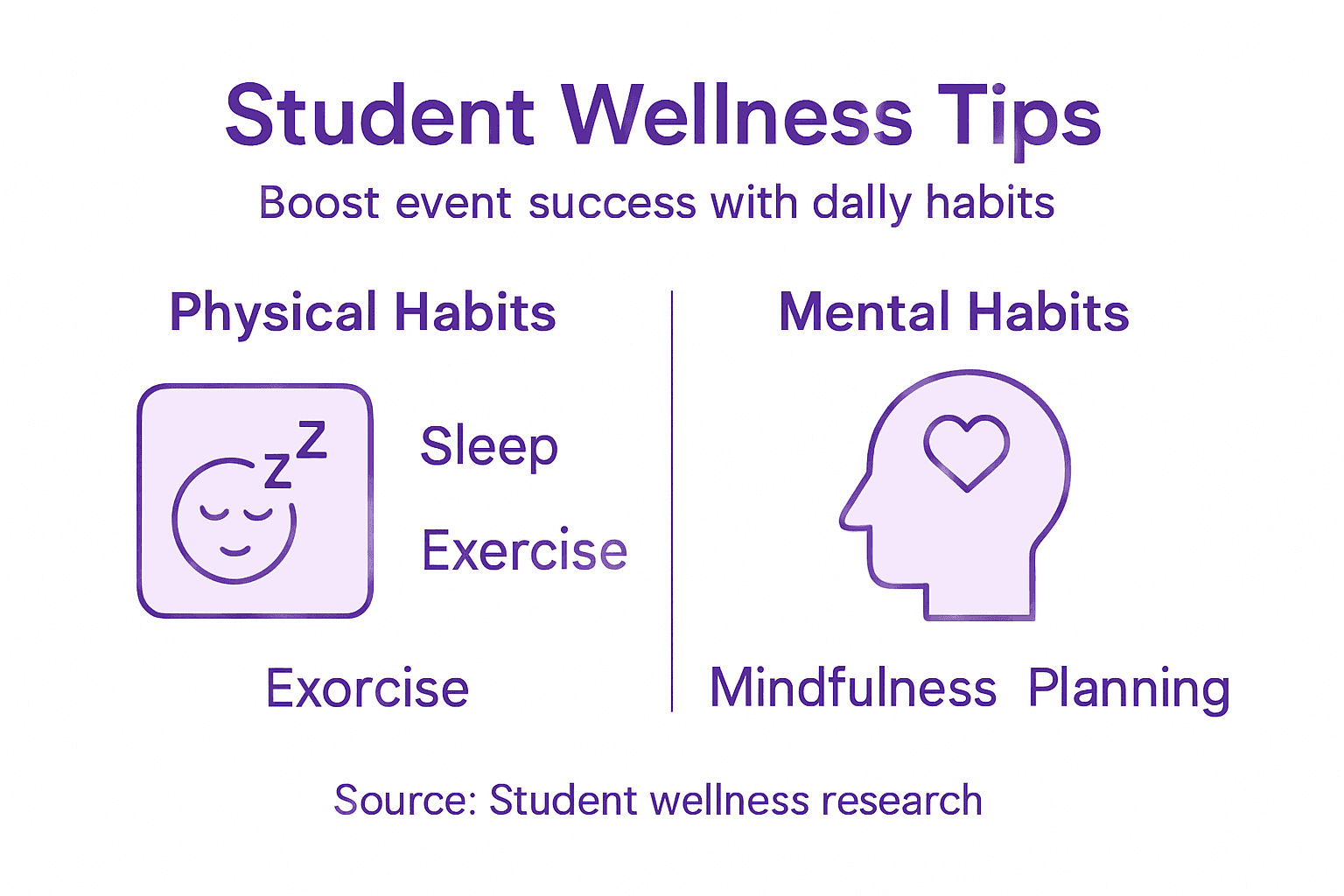
Physical Health Strategies
- Regular cardiovascular exercise
- Balanced nutritional intake
- Consistent sleep schedules
- Proper hydration
Mental Wellness Components
- Stress management techniques
- Mindfulness practices
- Emotional regulation skills
- Effective time management
For event management students, maintaining robust health habits becomes particularly critical. The industry demands high energy, resilience, and exceptional interpersonal skills. Proactive wellness acts as a foundational strategy for professional success.
Healthy habits are not occasional interventions, but consistent lifestyle choices that compound over time to create significant personal and professional advantages.
Students must recognise that their body and mind are professional instruments requiring consistent maintenance. Just as event professionals meticulously plan complex productions, they must approach personal health with similar strategic precision.
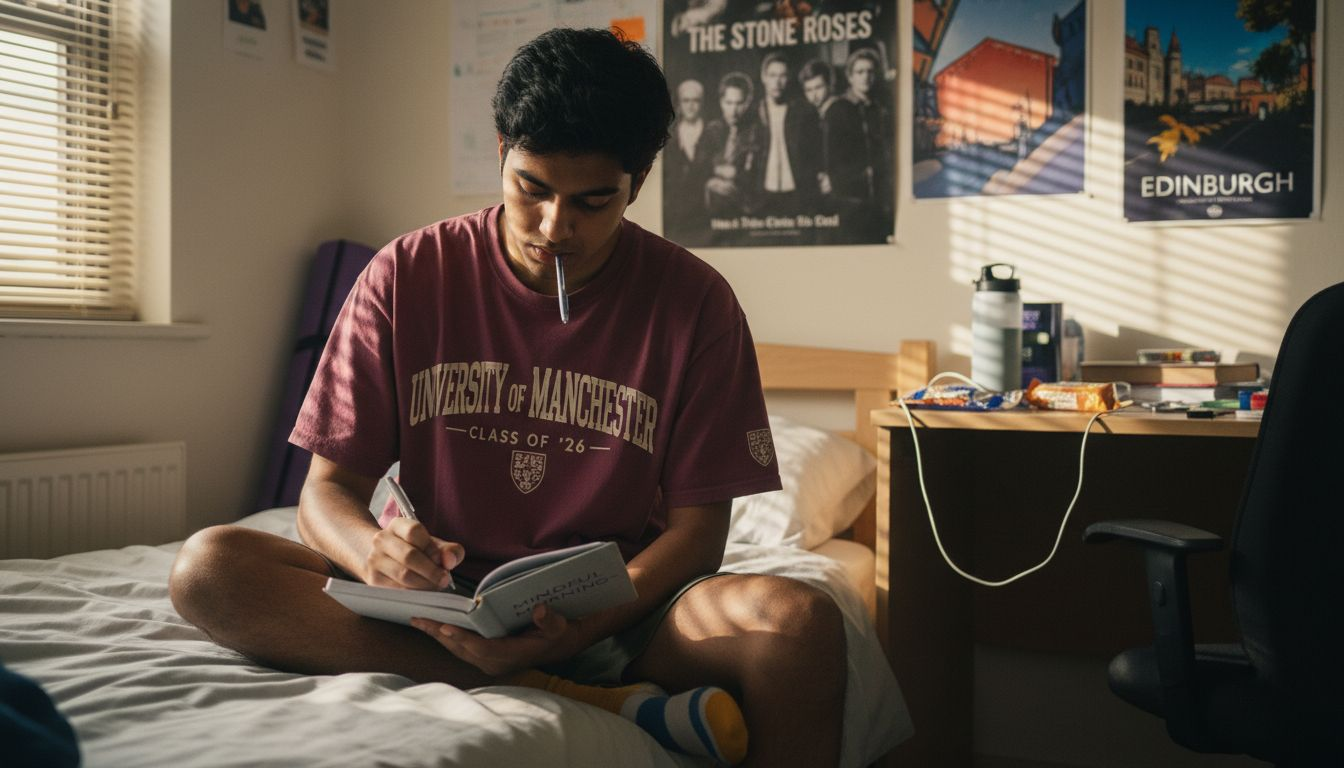
Pro tip: Design a personalised wellness dashboard tracking your daily nutrition, exercise, sleep, and stress levels to identify patterns and make informed lifestyle adjustments.
Types of Healthy Routines for Busy Students
Effective healthy routines form the cornerstone of success for event management students, who must balance rigorous academic demands with professional skill development. Student wellness routines are strategic frameworks designed to optimise physical energy, mental clarity, and emotional resilience throughout challenging academic periods.
According to educational research on habit formation, developing consistent routines requires intentional, structured approaches. Students can create transformative habits by understanding different routine categories:
Morning Performance Routines
- 15-minute meditation or mindfulness practice
- Nutrient-rich breakfast preparation
- Light stretching or mobility exercises
- Hydration and supplement intake
Academic Productivity Routines
- Structured study block scheduling
- Active learning technique implementation
- Regular study environment organisation
- Strategic break intervals
Evening Recovery Routines
- Digital device wind-down protocol
- Reflection and planning session
- Physical relaxation techniques
- Quality sleep preparation
Event management students face unique challenges requiring adaptable, resilient wellness strategies. Professional performance demands not just academic knowledge, but sustainable personal management skills that support consistent high performance.
Routine development is less about perfection and more about creating flexible, supportive structures that evolve with your personal and professional growth.
Understanding that routines are personal ecosystems helps students customise approaches matching their individual energy patterns, learning styles, and professional aspirations. The goal remains creating harmonious, repeatable patterns that enhance overall effectiveness.
Pro tip: Create a personalised routine tracking app or journal to experiment with different habit combinations, measuring their impact on your energy, focus, and overall performance.
Nutrition, Exercise, and Sleep Fundamentals
Event management students require a holistic approach to wellness that integrates nutrition, physical activity, and sleep as foundational elements of peak performance. These interconnected aspects form a comprehensive strategy for maintaining optimal physical and mental health during demanding academic and professional training.
Academic research highlights the critical relationship between lifestyle practices and student success. Understanding the synergy between nutrition, exercise, and sleep becomes paramount for sustained high performance:
Nutritional Fundamentals
- Balanced macronutrient intake
- Regular meal timings
- Hydration management
- Supplementation for energy
Exercise Strategies
- Daily movement routines
- Cardiovascular conditioning
- Strength training basics
- Flexibility and mobility work
Sleep Optimization
- Consistent sleep schedule
- 7-9 hours nightly rest
- Digital device management
- Sleep environment design
According to Centre for Disease Control recommendations, sleep hygiene plays a crucial role in academic and professional development. Adequate rest supports cognitive functions, emotional regulation, and overall physical resilience.
Wellness is not a destination, but a continuous journey of intentional lifestyle choices that compound over time.
Event management professionals must recognise their body and mind as primary instruments of performance. Integrating nutrition, exercise, and sleep into a cohesive lifestyle strategy transforms potential challenges into opportunities for exceptional achievement.
Here’s a summary of how three core wellness pillars interconnect to enhance event management student success:
| Wellness Pillar | Key Benefit | Typical Challenge | Long-Term Impact |
|---|---|---|---|
| Nutrition | Sustains energy levels | Maintaining healthy meals on busy days | Improved focus and resilience |
| Exercise | Boosts physical stamina | Finding time for regular activity | Increased productivity |
| Sleep | Supports cognitive function | Irregular schedules due to projects | Enhanced memory and mood |
Pro tip: Create a weekly wellness dashboard tracking your nutrition, exercise, and sleep metrics to identify patterns and make data-driven lifestyle improvements.
Managing Stress and Mental Wellbeing
Event management students operate in a high-pressure environment that demands exceptional emotional resilience and mental agility. Navigating complex professional landscapes requires deliberate strategies for maintaining psychological balance and preventing burnout during intense academic and professional training.
Government guidance emphasises comprehensive approaches to student mental health that integrate multiple support mechanisms. Understanding stress management becomes crucial for sustained success in the dynamic event management industry:
Psychological Resilience Techniques
- Mindfulness meditation practices
- Cognitive reframing strategies
- Emotional regulation skills
- Stress response management
Support Network Development
- Peer support groups
- Professional counselling access
- Mentorship programmes
- Regular mental health check-ins
Personal Stress Management
- Boundary setting techniques
- Time management skills
- Self-care prioritisation
- Healthy coping mechanisms
According to UNESCO’s global research, mental health literacy plays a critical role in student success. Recognising early signs of stress and implementing proactive intervention strategies can significantly mitigate potential academic and professional challenges.
Mental wellbeing is not about eliminating stress, but developing the capacity to navigate challenges with grace and resilience.
Event management professionals must cultivate psychological flexibility, transforming potential stressors into opportunities for personal and professional growth. Integrating mental health strategies becomes as crucial as mastering technical skills in this demanding industry.
Pro tip: Develop a personal stress management toolkit with specific techniques tailored to your unique emotional triggers and professional challenges.
Balancing Social Life and Academic Demands
Event management students must master the delicate art of time management while maintaining meaningful social connections. Navigating the complex landscape of academic rigour and personal relationships requires strategic planning, emotional intelligence, and intentional prioritisation.
Global educational research emphasises the critical importance of creating harmonious frameworks that support both academic excellence and social well-being. Understanding practical strategies becomes essential for sustained success:
Time Management Strategies
- Priority-based scheduling
- Dedicated study blocks
- Social interaction planning
- Flexible boundary setting
Social Connection Techniques
- Strategic networking events
- Peer study groups
- Professional social circles
- Collaborative project engagement
Academic-Social Integration
- Interdisciplinary social activities
- Event management community involvement
- Professional development meetups
- Campus engagement programmes
According to Government educational policies, institutional support plays a crucial role in helping students maintain balanced lifestyles. Recognising that social connections are not peripheral but integral to academic success.
Effective balance is not about perfect division, but strategic integration of academic and social experiences.
Event management students must view social interactions as professional development opportunities, transforming networking into a sophisticated skill set that enhances both personal growth and career prospects.
The following table highlights practical ways students can balance social and academic priorities:
| Strategy | Academic Advantage | Social Benefit |
|---|---|---|
| Study groups with friends | Deepens learning through discussion | Strengthens peer relationships |
| Scheduled networking events | Expands career opportunities | Builds professional connections |
| Interdisciplinary activities | Encourages collaboration | Fosters sense of belonging |
Pro tip: Develop a weekly ‘social-academic hybrid’ calendar that intentionally intersperses structured study time with meaningful social interactions.
Elevate Your Event Management Career with Healthy Habits and Expert Training
Building and maintaining healthy habits such as effective stress management, balanced nutrition, and structured routines are crucial for success in the demanding field of event management. This article highlights how mental wellbeing and physical resilience directly impact your academic and professional performance. If you are serious about transforming these healthy lifestyle principles into career achievements, specialised education can provide the practical skills and industry exposure you need.
Discover how teami.org leverages 24 years of experience to offer comprehensive certification programmes that integrate hands-on projects, internships, and real event participation. Our courses are designed not only to sharpen your event management expertise but also to empower you with the personal discipline and time management strategies essential for sustaining peak performance. Start your journey now with teami.org and explore how our collaboration with DNA Entertainment Networks bridges wellness and professional success. Visit our landing page today and take the essential step towards a thriving career supported by healthy habits and specialised training.
Frequently Asked Questions
What are some effective physical health strategies for students?
Effective physical health strategies include regular cardiovascular exercise, maintaining a balanced nutritional intake, sticking to consistent sleep schedules, and ensuring proper hydration.
How can event management students manage stress effectively?
Event management students can manage stress by employing techniques such as mindfulness meditation, cognitive reframing strategies, emotional regulation skills, and setting boundaries to protect their time.
What should be included in a personalised wellness routine?
A personalised wellness routine should include morning performance activities, structured academic productivity blocks, and evening recovery practices, all tailored to the individual student’s preferences and schedules.
Why is sleep optimization important for student success?
Sleep optimization is crucial because it supports cognitive functions, emotional regulation, and physical resilience, all of which are essential for maintaining high performance in challenging academic and professional settings.
Recommended
- Productivity Tips for Students: Succeed in Event Management – team I
- 7 Essential Work Life Balance Tips for Event Managers – team I
- 7 Key Tips for Succeeding in Event Management Part Time – team I
- Mindfulness for Professionals: Reducing Stress and Enhancing Focus – team I
- 7 Smart Ways to Boost Events in Cedar City Utah
Thinking about a career in event management?
team I is Bangalore’s only EEMA-certified event management institute, running for 24 years, where students work on real live events with real budgets and real deadlines rather than classroom simulations. See the full range of event management courses in Bangalore, or go straight to the flagship Certificate Program in Event Management (CPEM).