

Most people are surprised to learn that Bangalore now attracts more british event management professionals than any other Indian city. As the city’s reputation for cutting-edge technology and creative culture grows, so does its demand for skilled event managers who can deliver world-class experiences. If you are exploring opportunities in this field, understanding the city’s unique mix of innovation and tradition will show you why Bangalore stands out as a top choice for both learning and career advancement.
Table of Contents
- What Event Management In Bangalore Means
- Major Types Of Events Managed Locally
- Essential Skills And Industry Requirements
- Training, Certification, And Placement Pathways
- Key Legal And Safety Regulations
- Common Challenges And Best Practices
Key Takeaways
| Point | Details |
|---|---|
| Event Management Landscape | Bangalore is a leading hub for event management, integrating creativity and technology across various sectors. |
| Essential Skills | Professionals need a blend of technical proficiency, soft skills, and industry-specific knowledge to succeed in event management. |
| Diverse Event Categories | The city hosts a range of events, including cultural, corporate, and social gatherings, each with unique challenges and planning requirements. |
| Professional Development | Continuous networking and skill enhancement are crucial for staying competitive in the rapidly evolving event management market. |
What Event Management in Bangalore Means
Bangalore emerges as India’s premier destination for event management, transforming the landscape of professional experiences through dynamic industry opportunities. The city represents more than a geographical location — it symbolises a vibrant ecosystem where creativity, strategy, and technological innovation converge to create memorable experiences across corporate, social, and entertainment domains.
Event management in Bangalore transcends traditional boundaries, offering professionals a multifaceted career path that blends artistic expression with strategic planning. Students pursuing this field can explore diverse specialisations, from corporate conference management to wedding planning and large-scale entertainment productions. Professional event management training at institutions like JAIN University provides comprehensive curriculums that integrate industry standards with practical skill development, ensuring graduates are equipped to navigate the complex event landscape.
The city’s unique positioning stems from its robust tech ecosystem and entrepreneurial spirit. Bangalore hosts numerous multinational corporations, startups, and cultural organisations that consistently require sophisticated event management expertise. This creates a rich professional environment where event managers can work across sectors — from technology conference productions to cultural festivals, wedding extravaganzas to brand activation campaigns.
Understanding event management in Bangalore means recognising it as a strategic profession that requires a blend of creativity, technical knowledge, and interpersonal skills. Professionals must master digital tools, understand audience psychology, manage complex logistics, and deliver experiences that resonate emotionally and strategically.
Pro Tip for Aspiring Event Managers: Build a diverse portfolio by volunteering at different events and collecting testimonials, which will significantly enhance your professional credibility in Bangalore’s competitive event management market.
Major Types of Events Managed Locally
Bangalore’s event management landscape encompasses a diverse range of event categories that reflect the city’s dynamic cultural and corporate ecosystem. From academic institutions to multinational corporations, event managers in this vibrant metropolis specialise in multiple domains that demand sophisticated planning and execution skills.
Cultural and Academic Events represent a significant segment of local event management. Prestigious institutions like the Indian Institute of Management Bangalore host remarkable cultural festivals such as Unmaad, which showcase the breadth of event management skills required to coordinate complex multidisciplinary programmes. These events range from dramatic performances to music concerts, quizzes, and professional networking platforms, demonstrating the nuanced capabilities of local event management professionals.
Corporate events constitute another critical domain in Bangalore’s event management landscape. These include product launches, international conferences, technology summits, team-building retreats, and corporate celebration programmes. The city’s status as India’s technology hub means event managers must navigate sophisticated technical requirements, manage international delegates, and create immersive experiences that align with corporate branding and strategic objectives. Annual classical music events like Yamini further exemplify the sophisticated cultural programming that local event managers can orchestrate, running intricate programmes from dusk to dawn with meticulous precision.
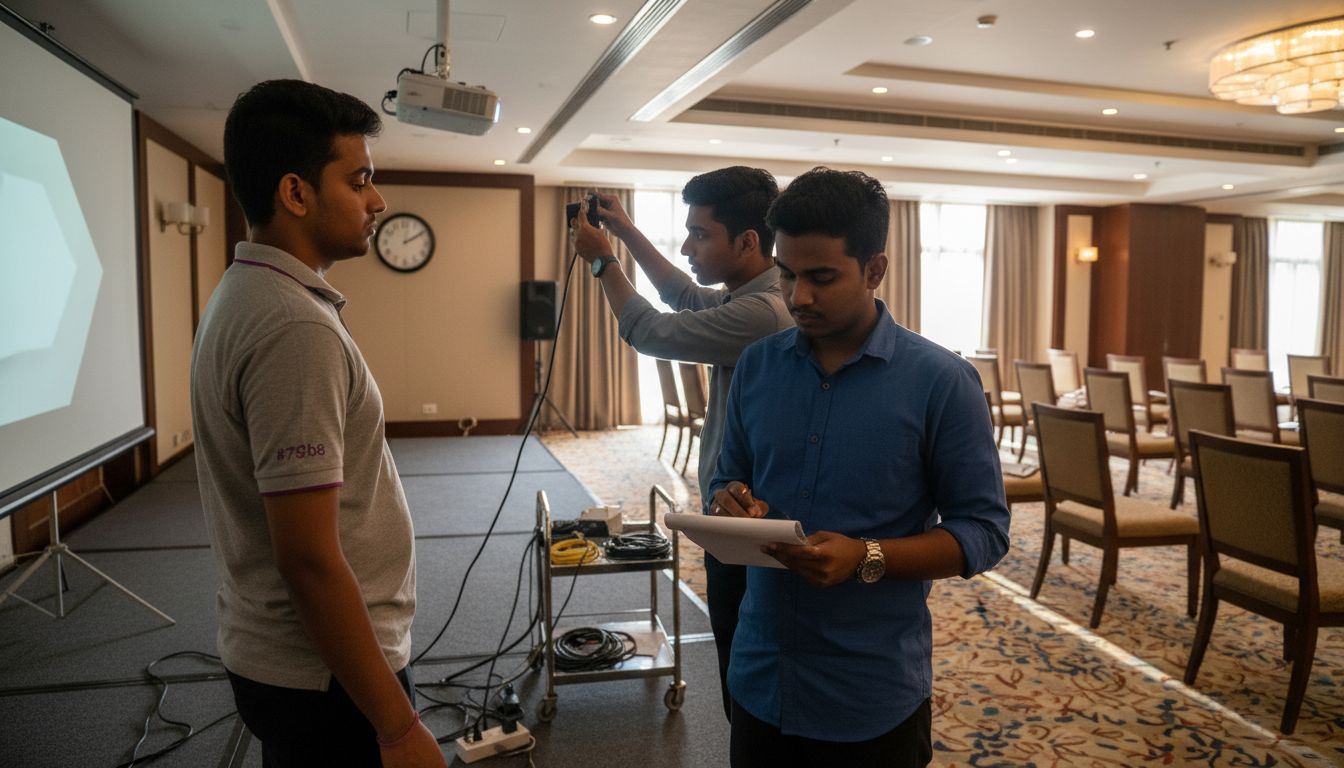
Additionally, Bangalore’s event management professionals excel in wedding and social events, managing everything from intimate family celebrations to lavish multicultural wedding productions. These events require exceptional logistical skills, cultural sensitivity, and the ability to blend traditional practices with contemporary design aesthetics.
Pro Tip for Event Management Specialists: Develop a comprehensive portfolio that showcases your versatility across different event types, highlighting your ability to manage complex logistical challenges and create memorable audience experiences.
Here is a summary of major event types in Bangalore and their unique management challenges:
| Event Type | Main Audience | Key Challenges | Distinctive Features |
|---|---|---|---|
| Cultural/Festival | Students, public | Multidisciplinary coordination | Blend of arts, networking |
| Corporate/Business | Executives, clients | International delegate management | High-tech integration |
| Social/Wedding | Families, guests | Cultural sensitivity, logistics | Customised experience, tradition |
Essential Skills and Industry Requirements
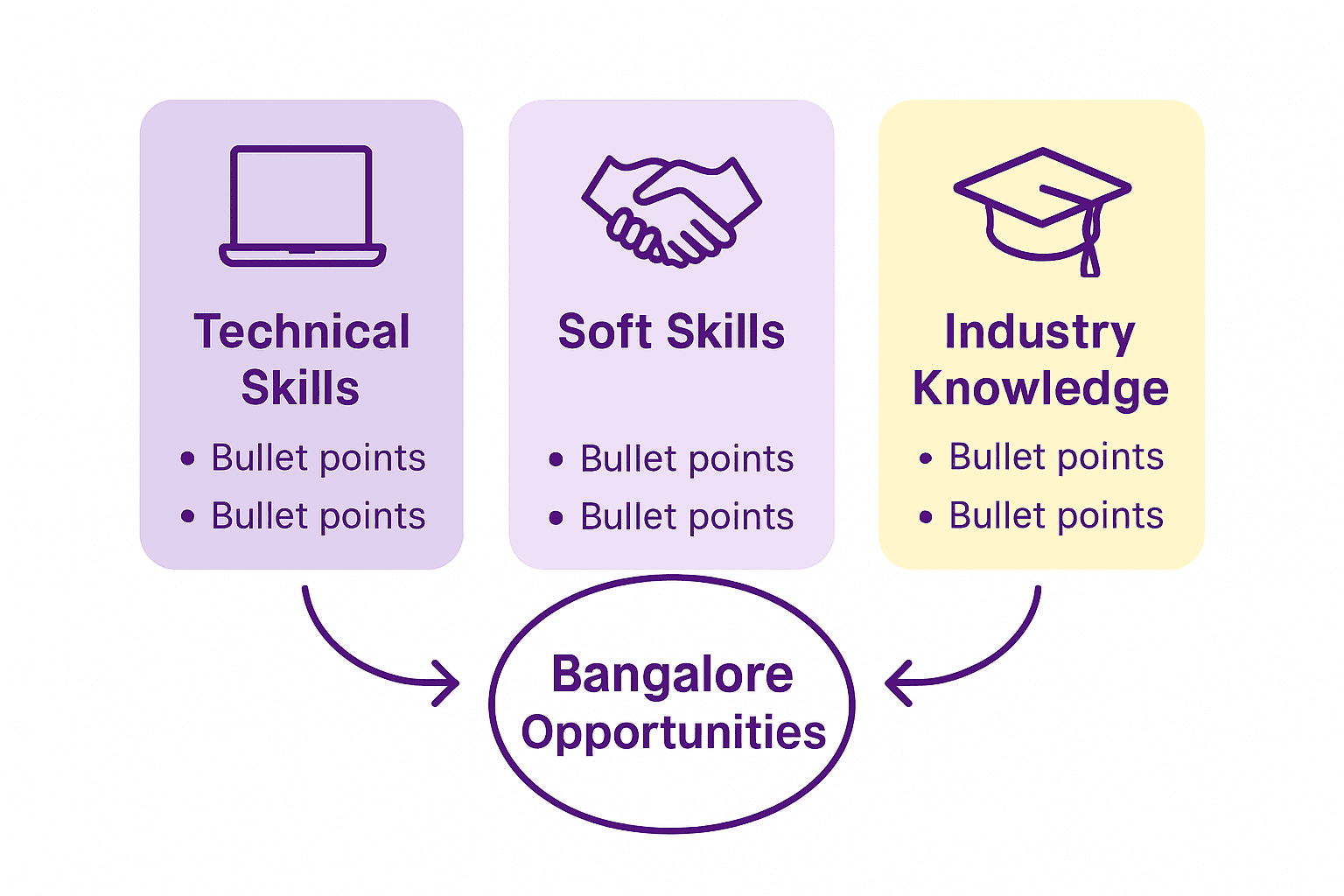
The event management industry in Bangalore demands a sophisticated blend of technical proficiency, creative problem-solving, and interpersonal skills that go far beyond traditional event planning. Professional programmes like those at JAIN University equip students with comprehensive competencies in event curation, creation, production, and management, preparing them for the multifaceted challenges of modern event ecosystems.
Technical skills form the foundational requirement for event management professionals. These include advanced digital proficiency, project management software expertise, budgeting and financial planning capabilities, and sophisticated logistical coordination skills. Event managers must master digital tools for registration management, attendee tracking, virtual event platforms, social media integration, and real-time communication technologies that enable seamless event experiences across physical and digital domains.
Soft skills emerge as equally critical in the Bangalore event management landscape. Exceptional communication abilities, cross-cultural sensitivity, stress management, negotiation techniques, and rapid decision-making capabilities distinguish top-tier event professionals. The ability to build and maintain complex stakeholder relationships — from corporate clients and vendors to performers and audience members — becomes a paramount differentiator in this competitive industry.
Industry-specific knowledge represents another crucial requirement. Professionals must develop deep understanding of sector-specific nuances, whether managing corporate conferences, cultural festivals, wedding productions, or technology summits. This involves staying updated with emerging trends, understanding regulatory frameworks, maintaining robust network connections, and developing adaptive strategies that can transform challenges into innovative event solutions.
Pro Tip for Aspiring Event Managers: Continuously expand your professional network by attending industry conferences, participating in workshops, and engaging with professional event management associations to stay ahead of emerging trends and opportunities.
This table compares essential skill categories in Bangalore’s event management industry:
| Skill Category | Typical Skills | Example Tools/Contexts |
|---|---|---|
| Technical | Digital platforms, budgeting | Registration systems, virtual events |
| Soft/Interpersonal | Communication, negotiation | Stakeholder meetings, vendor liaison |
| Industry-Specific | Regulatory compliance, trends | Tax laws, trend analysis |
Training, Certification, and Placement Pathways
Bangalore’s event management education ecosystem offers comprehensive pathways for aspiring professionals seeking structured learning and industry integration. Academic programmes like JAIN University’s Bachelor of Management Studies provide robust frameworks that integrate industry-recognised standards and targeted skill development, preparing students for diverse managerial roles within event organisations.
Professional certification represents a critical component of career progression in event management. Individuals can pursue multiple credentials, including specialised diplomas, undergraduate degrees, postgraduate programmes, and professional certifications from recognised industry bodies. These qualifications range from short-term intensive courses focusing on specific event management domains to comprehensive multi-year academic programmes that provide holistic understanding of event production, marketing, logistics, and strategic planning.
Placement opportunities in Bangalore’s event management sector are particularly robust, driven by the city’s vibrant corporate and cultural landscape. Leading educational institutions maintain strong industry partnerships that facilitate internships, live project exposures, and direct recruitment channels. These connections enable students to transition seamlessly from academic environments to professional roles, with many organisations offering direct placement support, mentorship programmes, and structured career development pathways.
Technological proficiency and practical exposure form the cornerstone of effective event management training. Modern programmes emphasise hands-on learning through simulation exercises, live event management projects, digital tool training, and exposure to real-world event production scenarios. Students learn to navigate complex logistical challenges, understand audience engagement strategies, and develop adaptive skills that make them competitive in a rapidly evolving professional landscape.
Pro Tip for Career Advancement: Build a comprehensive portfolio documenting your event management projects, technologies mastered, and unique problem-solving approaches to differentiate yourself in a competitive job market.
Key Legal and Safety Regulations
Event management in Bangalore requires comprehensive understanding of complex legal frameworks and safety protocols that govern public gatherings and professional event productions. Academic curricula like Bangalore University’s coursework integrate detailed examinations of permissions, policies, government regulations, and applicable taxation requirements, providing aspiring event managers with critical foundational knowledge.
Safety regulations represent a paramount consideration for event management professionals. Large-scale events demand rigorous crowd management strategies, emergency preparedness protocols, and comprehensive risk assessment procedures. Organizations like the Sarathi Socio Cultural Trust, which manages events attracting up to 200,000 visitors annually, demonstrate the critical importance of meticulous safety planning, particularly when handling massive public gatherings during cultural festivals and community celebrations.
Legal compliance encompasses multiple dimensions for event managers. This includes obtaining necessary permissions from local municipal authorities, adhering to fire safety regulations, ensuring proper venue licensing, managing sound pollution limits, implementing comprehensive insurance coverage, and maintaining strict adherence to labour regulations when engaging temporary event staff. Event managers must also navigate complex tax frameworks, understanding GST implications, entertainment tax requirements, and potential licensing fees associated with different event categories.
Technological and digital regulatory considerations have become increasingly significant in modern event management. Professionals must understand data protection laws, privacy regulations related to attendee information, digital ticketing compliance, and cybersecurity protocols for online event platforms. This requires maintaining updated knowledge of evolving digital governance frameworks and implementing robust technological safeguards throughout event planning and execution processes.
Pro Tip for Legal Compliance: Develop a comprehensive legal checklist for each event type, incorporating specific regulatory requirements, and consult local legal experts to ensure full compliance and risk mitigation.
Common Challenges and Best Practices
The event management landscape in Bangalore is rapidly evolving, presenting professionals with complex technological and strategic challenges that demand innovative solutions. Emerging industry trends highlight the critical need for integrating advanced technologies like AI-driven analytics, virtual and hybrid event platforms, and augmented reality experiences, requiring event managers to continuously adapt and upgrade their technological capabilities.
Technological integration represents a significant challenge for event management professionals. The proliferation of digital platforms necessitates comprehensive understanding of virtual event technologies, real-time audience engagement tools, and sophisticated data analytics systems. Professionals must develop skills in managing seamless transitions between physical and digital event environments, creating immersive experiences that maintain audience interaction and emotional connection across multiple technological interfaces.
Events like Strawberry Fields, organized by the National Law School of India University, demonstrate best practices in event management by providing innovative platforms for emerging talents while maintaining high production standards. Successful event management in Bangalore requires a multifaceted approach that balances technological innovation with creative storytelling, strategic planning, and audience-centric design. This involves developing robust contingency plans, maintaining flexible event architectures, and creating adaptive frameworks that can respond rapidly to changing audience expectations and technological disruptions.
Professional networking and continuous learning emerge as critical strategies for overcoming industry challenges. Event managers must invest in regular skill upgradation, participate in industry conferences, maintain connections with technological innovators, and develop a comprehensive understanding of emerging trends in audience engagement, digital transformation, and experiential design. The ability to anticipate and proactively respond to technological and strategic shifts distinguishes top-tier event management professionals in Bangalore’s competitive landscape.
Pro Tip for Industry Adaptability: Develop a personal learning ecosystem by dedicating at least five hours weekly to exploring new technologies, attending webinars, and experimenting with emerging event management platforms.
Advance Your Event Management Career with Expert Training in Bangalore
If you are inspired by the dynamic and multifaceted world of event management in Bangalore, mastering essential skills and industry requirements is crucial. The article highlights challenges such as mastering technical tools, understanding cultural sensitivities, and navigating complex logistical and legal aspects. To overcome these pain points and build a versatile portfolio across corporate, cultural, and social events, specialised education offering practical exposure is key.
At teami.org, we provide comprehensive certification programmes with over 24 years of experience that prepare you for exactly these realities. Our courses combine online and hybrid learning with hands-on internships and live projects supported by industry leaders like DNA Entertainment Networks. Whether you seek to excel in corporate conferences, social weddings, or cultural festivals, our focused pathways and placement support ensure you are career-ready. Take the next step towards a thriving event management career by connecting with us now at https://team-i-app-code-production.up.railway.app/api/go/wa?src=event-management-bangalore-careers.
Ready to transform your passion into a profession that meets the evolving demands of Bangalore’s event sector Explore our detailed course offerings and hear success stories from alumni in the event management domain. Don’t wait for opportunity to knock, create it with expert training at teami.org. Start your journey today.
Frequently Asked Questions
What are the main types of events managed in Bangalore?
Bangalore hosts a diverse array of events, including cultural festivals, corporate conferences, and social celebrations such as weddings. Each type demands specific planning and management skills.
What essential skills are required for a career in event management?
Key skills include technical proficiency in digital tools, exceptional communication and negotiation abilities, as well as a strong understanding of industry-specific knowledge related to event planning and execution.
How can aspiring event managers gain practical experience?
Aspiring event managers should consider volunteering at various events to build a diverse portfolio and gain hands-on experience. Participating in internships and industry workshops can also enhance their professional credibility.
What certifications can enhance a career in event management?
Pursuing professional certifications in event management, such as specialised diplomas and undergraduate degrees, can significantly enhance career prospects by providing targeted skills for various event management domains.