

Event planning and decorating courses are structured programmes that equip learners with the practical skills and industry knowledge needed to design, manage, and execute successful events. The industry term for this field is event management, and the best courses cover far more than floral arrangements and table settings. They train you in five core competencies: event concept and design, budgeting and financial management, vendor and venue logistics, risk and safety management, and post-event evaluation. In India, where a single wedding in Hyderabad or a corporate summit in Bangalore can involve hundreds of vendors and thousands of guests, these skills are not optional. They are the difference between a career and a catastrophe.
What core skills do event planning and decorating courses teach?
The biggest misconception about event management education is that it centres on décor. Logistics, vendor negotiation, and risk management are the real pillars of a successful event career. Décor is the visible tip of a very large operational iceberg.
Strong event management courses build five competencies in parallel:
- Event concept and design: Translating a client brief into a coherent theme, mood board, and spatial layout for venues ranging from a Mumbai banquet hall to an open-air concert ground in Delhi.
- Budgeting and financial management: Allocating funds across vendors, décor, staffing, and contingencies without letting any single line item derail the entire production.
- Vendor and venue logistics: Negotiating contracts, managing delivery timelines, and coordinating multiple suppliers on the day itself.
- Risk and safety management: Risk management and compliance covering liability waivers, noise ordinances, and fire codes consume significant time and are vital for staying within budget and on schedule.
- Post-event evaluation: Measuring attendee satisfaction and ROI against objectives set before the event date. Defining those metrics early is a mark of professional-grade training.
The best courses also teach you to build a production binder. This document holds contracts, floor plans, vendor contacts, and emergency protocols in one place. On a live event day in Bangalore, that binder is your lifeline.
Pro Tip: Do not wait until the décor module to start thinking about logistics. Map your vendor timeline and budget cap on day one of any course. Planners who treat operational control as an afterthought consistently overspend and underdeliver.
How does hands-on learning prepare you for real events?
Theory alone does not prepare you for the controlled chaos of a 500-person corporate gala in Hyderabad or a three-day college festival in Pune. Experiential learning through real-world event coordination and internships is what separates job-ready graduates from those who can only recite a textbook.

The most effective event management classes integrate live projects from early in the curriculum. You might spend a morning reviewing showflow documents and spend the afternoon on-site at an actual production, watching how a senior planner handles a last-minute vendor cancellation. That kind of exposure builds instincts that no classroom exercise can replicate.
Practical learning in strong programmes typically includes:
- Live event projects tied to real weddings, corporate launches, or college fests
- Internships with established event companies in cities like Bangalore, Mumbai, or Delhi
- Vendor visits and site inspections as part of the formal curriculum
- Mentorship from working professionals who bring current industry problems into the room
“Shadowing experienced planners during internships develops essential skills like crisis negotiation and vendor management that cannot be taught from a textbook alone.”
Parvatibai Chowgule College practitioner perspective
Building a reliable vendor network through course internships is particularly valuable in India, where personal relationships with suppliers often determine whether your event runs smoothly or falls apart at 6 PM on the day.
Pro Tip: Use every internship hour to practise negotiation. Ask your mentor to let you handle one vendor call per week under supervision. That repetition builds the confidence you need when a caterer doubles their quote two days before a Delhi wedding.
For a deeper look at how experiential learning shapes careers, the approach makes a measurable difference in how quickly graduates find work.
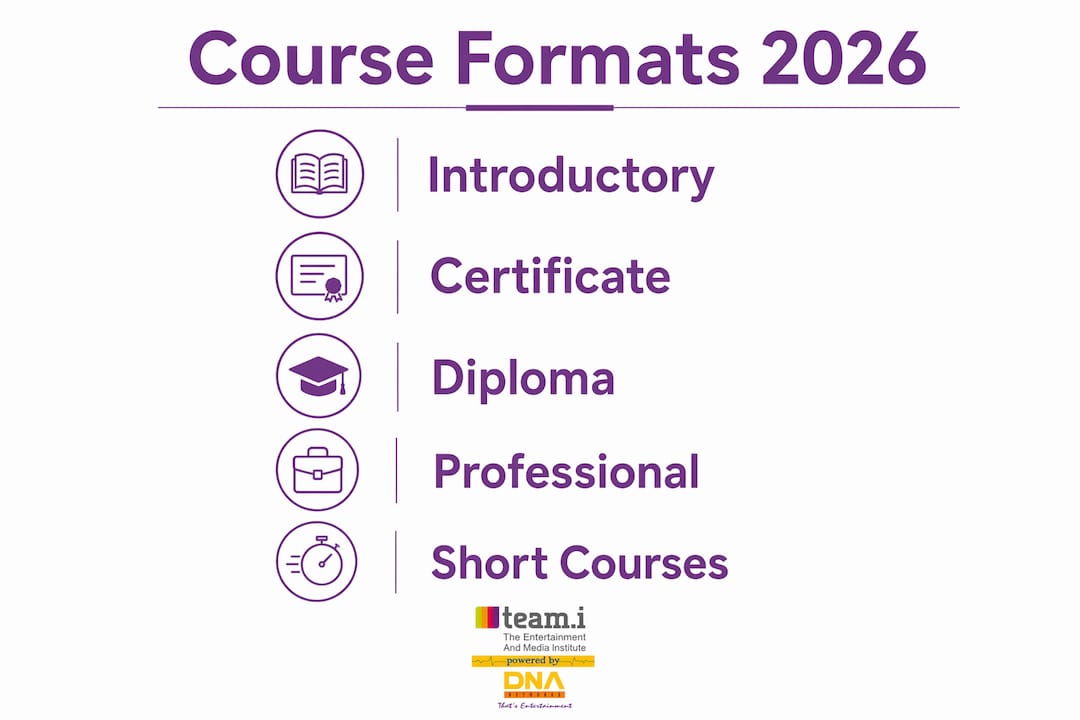
What are typical course formats and costs in 2026?
Event planning courses online, in-person, and in blended formats each suit different learners. Understanding the landscape helps you choose without wasting money or time.
| Course type | Format | Typical duration | Accreditation level | Approximate cost |
|---|---|---|---|---|
| Introductory CPD course | Online, self-paced | 4–8 weeks | CPD certificate | Free to low cost |
| Event management short course | Online or blended | 8–16 weeks | Industry certificate | Moderate |
| Professional certificate programme | In-person or hybrid | 6–12 months | College-accredited | Up to $2,155 USD or equivalent |
| Diploma or degree pathway | In-person | 1–3 years | University-accredited | Varies by institution |
Costs for formal event management education vary significantly by institution and accreditation level, ranging from free introductory content to professional certificate programmes exceeding $2,000 USD. That range reflects a real difference in depth, not just prestige.
Free or low-cost event management short courses online are useful for testing your interest. They cover basics like event timelines and vendor briefing templates. Professional certificate programmes go further, including live project assessments, industry placements, and recognised credentials that employers in India actually check. If you are serious about a career in events, the investment in a properly accredited programme pays back quickly through better starting roles and stronger professional networks. You can also review course eligibility requirements before committing to a programme.
For large-scale events, managing staffing logistics is a real skill. Platforms that help organisers find event staff for festivals and corporate events give you a practical sense of how workforce planning works at scale.
How do you choose the right course for your career goals in India?
Choosing between event planning and decorating courses requires more than comparing price tags. The Indian event market has specific demands that generic international programmes often miss entirely.
- Check for Indian market relevance. A course built around Western corporate conferences will not prepare you for a 1,000-guest Rajasthani wedding or a Bangalore tech summit with live entertainment. Look for curricula that include Indian wedding planning training, festival management, and corporate event formats common in metros.
- Assess practical exposure. Ask directly: does the course include live event projects or internships? The most effective event courses move learners from theory to managing actual events, which increases job market confidence significantly.
- Verify certification and industry recognition. Credentials like the Certified Meeting Professional (CMP) standard set a global benchmark. In India, look for programmes with ties to established event companies or industry bodies that employers recognise. Knowing the difference between a certification and a diploma helps you make the right call for your goals.
- Evaluate placement support. A course that ends with a certificate but offers no pathway to employment is a half-finished product. Strong programmes maintain active relationships with event companies and facilitate introductions. Teami, for instance, works directly with DNA Entertainment Networks to connect graduates with real job opportunities across India.
- Look at the faculty’s working experience. Instructors who are currently active in the industry bring live problems into the classroom. That is worth more than a long list of theoretical modules.
What I have learnt from watching the Indian events industry up close
The single biggest mistake aspiring planners make is treating creativity as the main qualification. Creativity gets you noticed. Operational discipline gets you hired and keeps you employed.
The planners who build lasting careers in India are the ones who can hold a vendor to a contract at 11 PM during a Mumbai concert setup, recalculate a budget on the spot when a sponsor pulls out, and still make the stage look extraordinary by showtime. That combination of creative vision and logistical grit is what the best event planning resources and courses are really training you for.
My honest observation after years in this industry: courses that give you real event access early, even in a junior capacity, produce far better professionals than those that front-load theory and save the practical work for the final module. Seek out programmes where you are on-site, building vendor relationships, and making actual decisions before you graduate. That is where the real education happens.
— Teami
How Teami trains you for the Indian events industry
Teami brings 24 years of industry experience to every course it offers, and that depth shows in the curriculum. The event management course covers everything from event concept development and budgeting to live production and post-event ROI analysis, all grounded in the realities of the Indian market. Students work on real events through the partnership with DNA Entertainment Networks, gaining the vendor relationships and on-site confidence that employers actually look for. If you are ready to move from interest to qualification, Teami’s online event management courses offer flexible entry points without sacrificing practical depth. The industry will not wait. Neither should you.
FAQ
What do event planning and decorating courses cover?
These courses cover event concept and design, budgeting, vendor and venue logistics, risk management, and post-event evaluation. The best programmes integrate hands-on projects and internships alongside classroom instruction.
Are online event planning courses worth it?
Online event management courses are worth it when they include practical assessments, live projects, or industry placements. Self-paced introductory courses are useful for testing interest, but professional-level roles require accredited, hands-on training.
How much do event management short courses cost?
Costs range from free introductory CPD courses to professional certificate programmes costing upwards of $2,155 USD, depending on the institution, duration, and accreditation level.
Do I need a certification to work in events in India?
Certification is not legally required, but it signals credibility to employers and clients. Programmes recognised by established industry bodies or linked to active event companies carry the most weight in the Indian market.
What is the difference between event planning and event management courses?
Event planning courses focus on the pre-event design and coordination phase. Event management courses cover the full lifecycle, including on-site execution, risk management, and post-event reporting. Most professional programmes combine both.